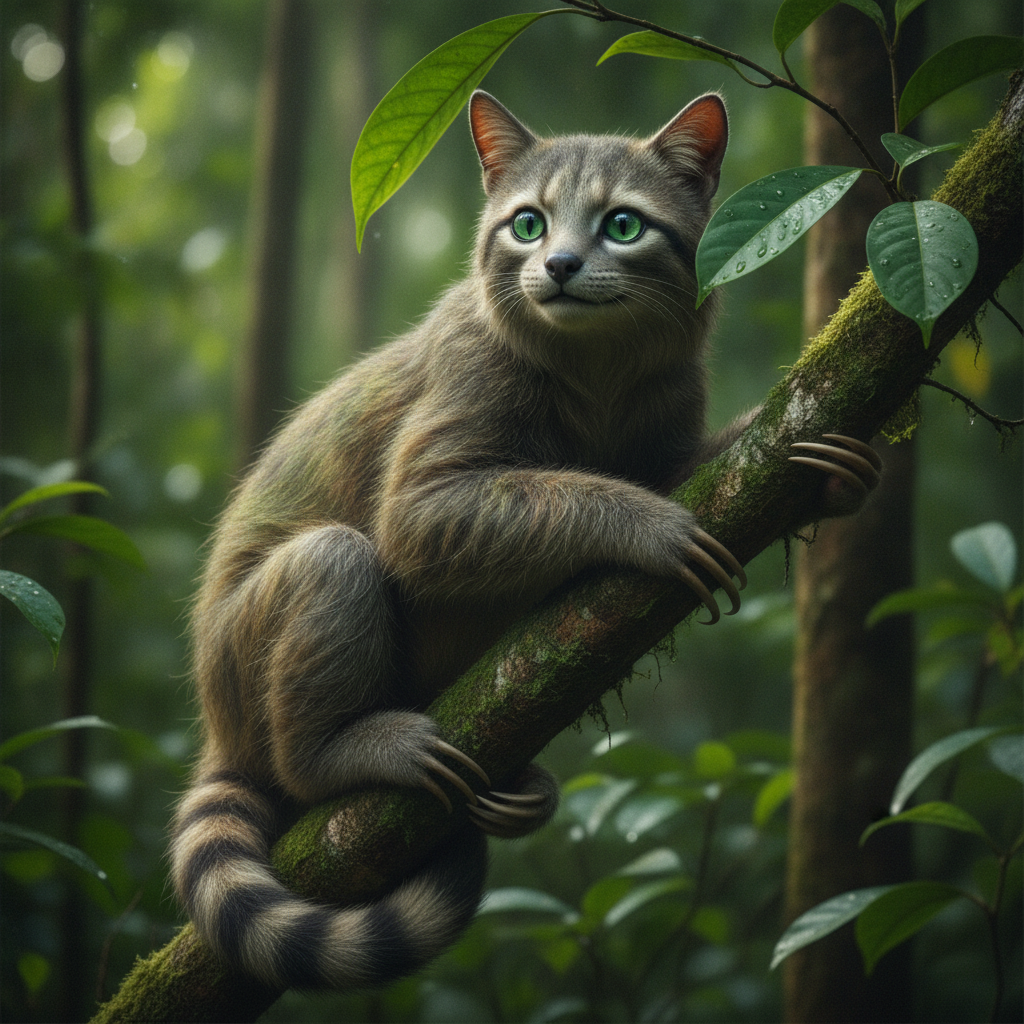
Clawth
Bradypus Felinus
Stats
Behavior
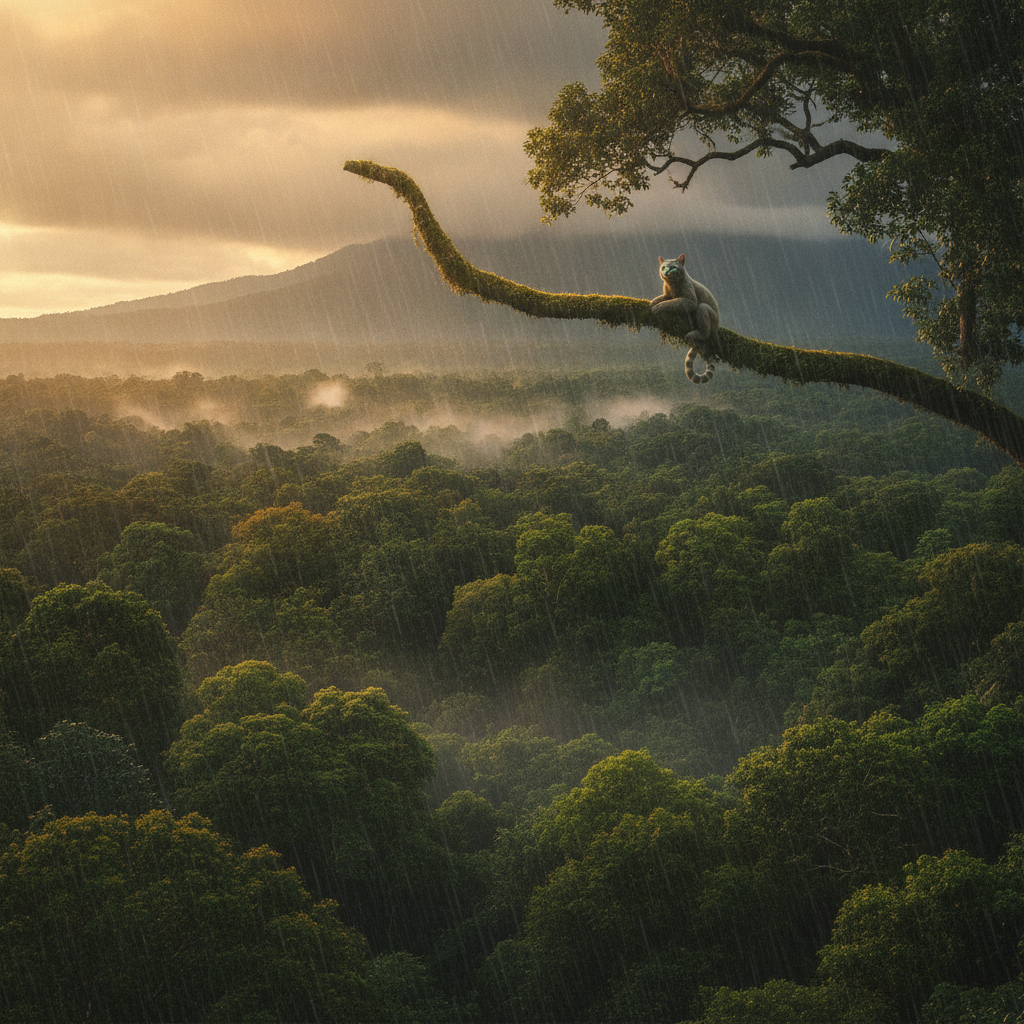
The Clawth exhibits a fascinating blend of its ancestral traits. It moves with the deliberate, almost meditative slowness of a sloth, often spending hours in a single tree. However, this languid pace belies a hidden potential for explosive, cat-like agility when startled or when opportunity presents itself, such as pouncing on a passing insect or a small rodent. It is predominantly solitary and crepuscular, active during dawn and dusk, using its keen night vision and acute hearing to navigate the dense canopy. Unlike typical sloths, it grooms its shaggy fur with meticulous cat-like precision, often spending significant portions of its waking hours maintaining its coat.
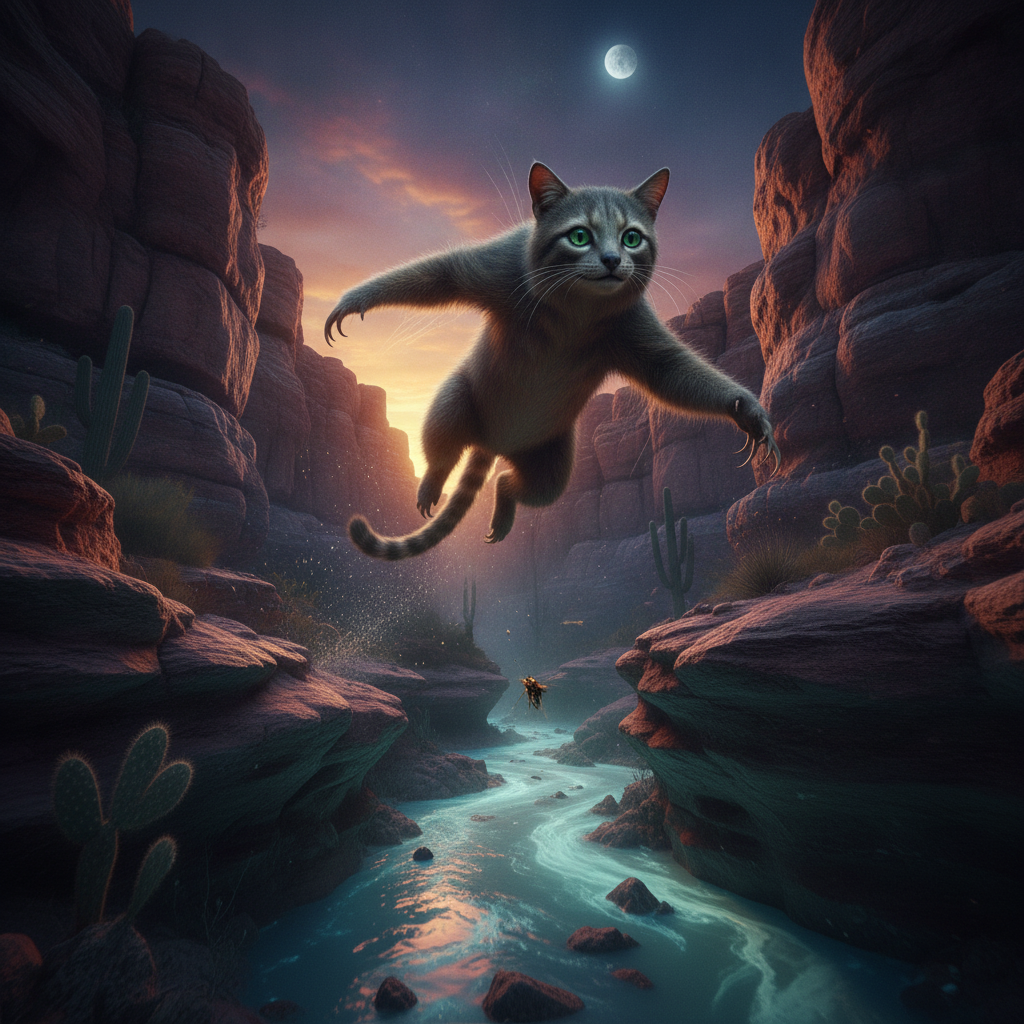
Primarily arboreal, the Clawth navigates the rainforest canopy using its powerful, hook-like claws to maintain an iron grip on branches, often hanging upside down to rest or observe its surroundings. Its slow movements are a form of camouflage, making it difficult for predators to spot. When hunting, it will often wait motionless for extended periods before striking with a rapid, precise paw swipe. Despite its generally docile nature, a threatened Clawth can unleash a surprisingly fast flurry of scratches and bites, making it a formidable, albeit reluctant, opponent.
Fun Facts
- 🔬 A Clawth's purr is exceptionally deep and resonant, capable of vibrating through an entire tree branch, often used as a low-frequency territorial signal.
- 🔬 Despite its slow general movement, it possesses an incredible vertical leap, capable of springing several feet upwards to catch flying prey or escape danger with surprising speed.
- 🔬 Its long, prehensile tail, while not as dexterous as a monkey's, is crucial for balance and can occasionally be used to steady itself or even briefly grip smaller branches during complex maneuvers.
- 🔬 Clawths have a unique digestive system that can break down tough plant matter and process small animal proteins with equal efficiency, a true evolutionary marvel of its hybrid nature.
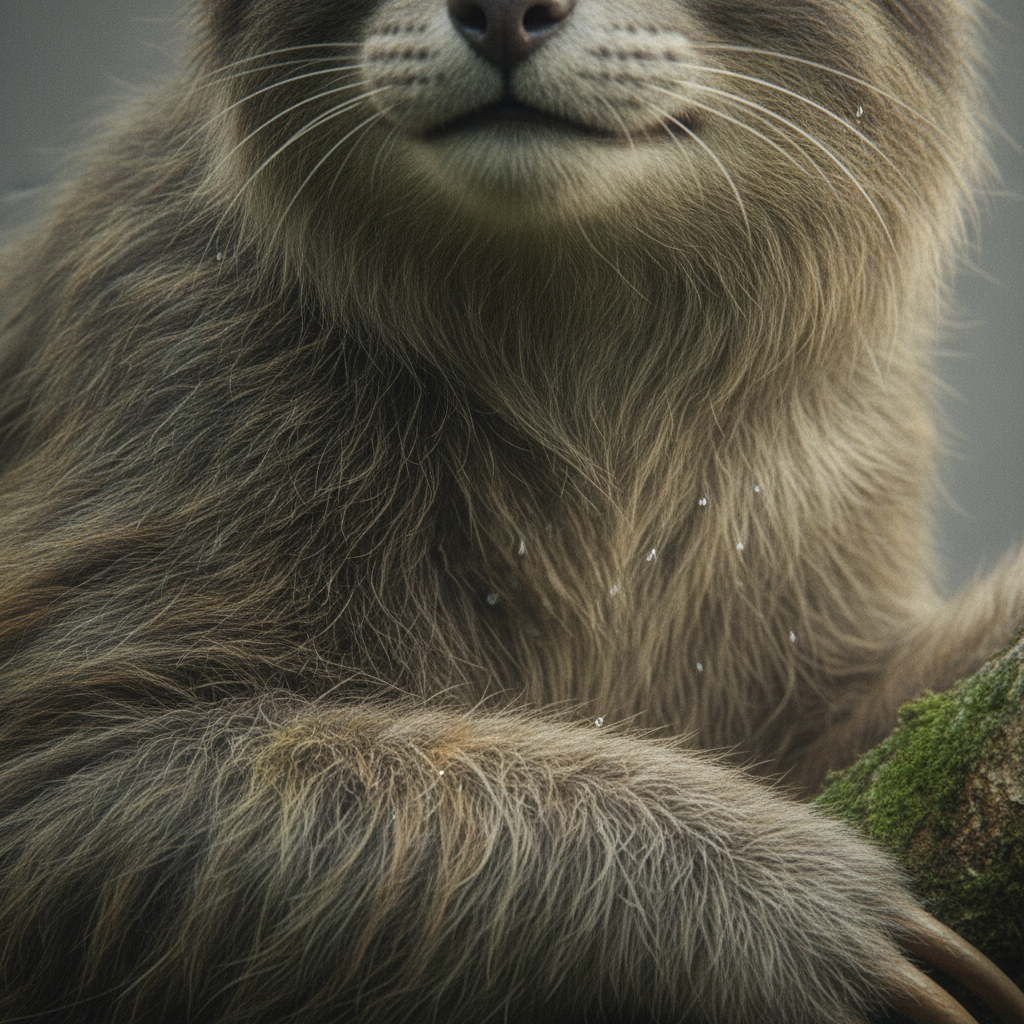
- 🔬 Their fur often grows a greenish tint from symbiotic algae, much like a sloth, but they clean it so thoroughly that the algae is usually only present in sparse, camouflaged patches, making them very difficult to spot.