
Chickephant
Elephas Gallus Colossus
Stats

Behavior
Chickephants exhibit a fascinating blend of their parent species' behaviors. They are highly social creatures, forming small herds (known as 'flocks' or 'trumpets') of 5-10 individuals, led by a dominant matriarch. While they lack the full trunk of an elephant, their elongated, prehensile snouts allow them to forage for roots and pluck leaves with surprising dexterity. They communicate through a complex repertoire of soft clucks, trumpeting calls, and deep rumbling sounds, often performed during their communal dust-bathing rituals.

These majestic hybrids are active during the day, spending their hours meticulously scratching the earth for insects and tubers, much like an overgrown chicken, but also browsing on low-lying vegetation. At night, they seek refuge in dense thickets or create shallow nests in the ground, huddling together for warmth and protection. Despite their considerable size, Chickephants are surprisingly agile, capable of short bursts of speed when startled, and can even achieve a clumsy, flapping jump when threatened, though true flight is impossible.
Fun Facts
- 🔬 Chickephant eggs are roughly the size of a bowling ball, with a shell so thick it can only be cracked by specialized predators or, more commonly, by the parent Chickephant carefully rolling it against a rock.
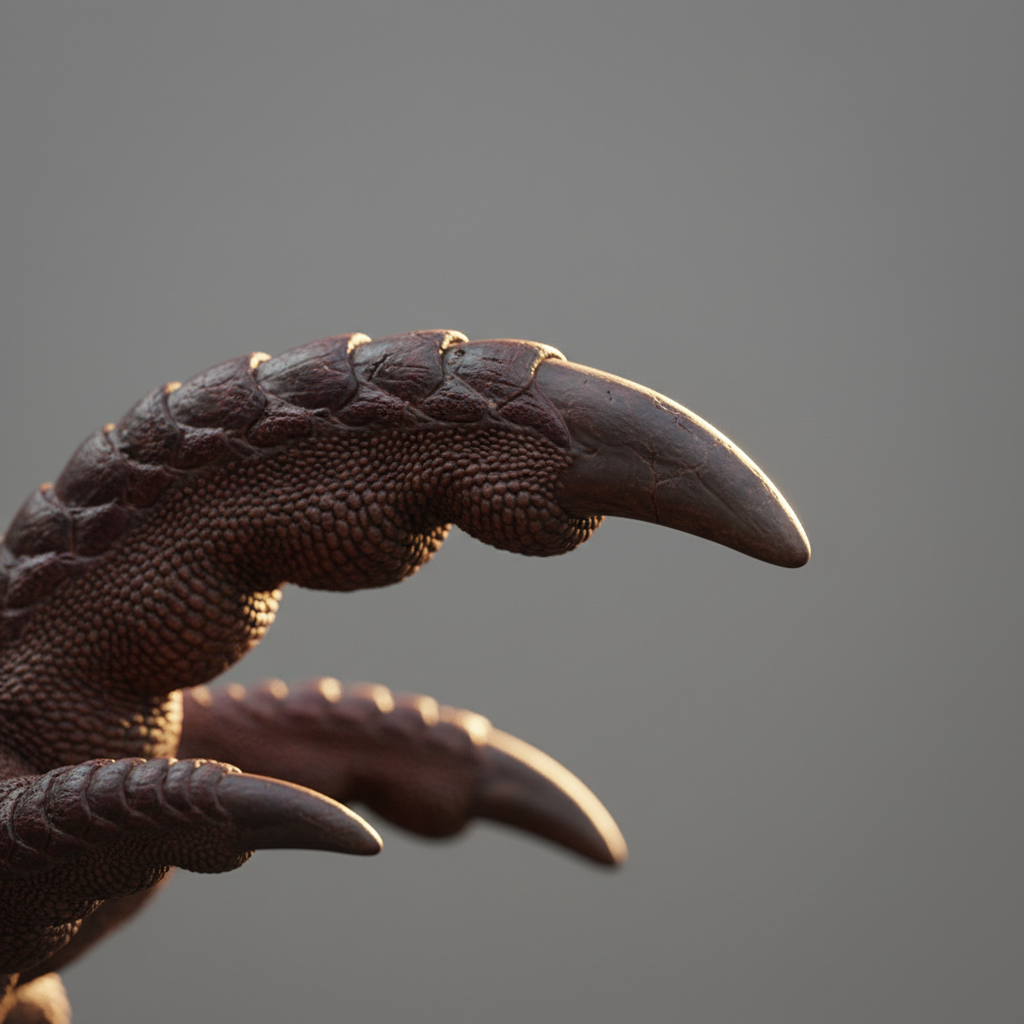
- 🔬 Their unique 'trunk-beak' combination allows them to sniff out subterranean food sources and then quickly peck at them, acting as both an olfactory sensor and a digging tool.
- 🔬 Despite their intimidating size, Chickephants are known to form peculiar bonds with smaller birds, allowing flocks of sparrows and starlings to perch on their backs, often sharing unearthed insects.