Acorngrane
Gruspinus quercus
Stats

Behavior
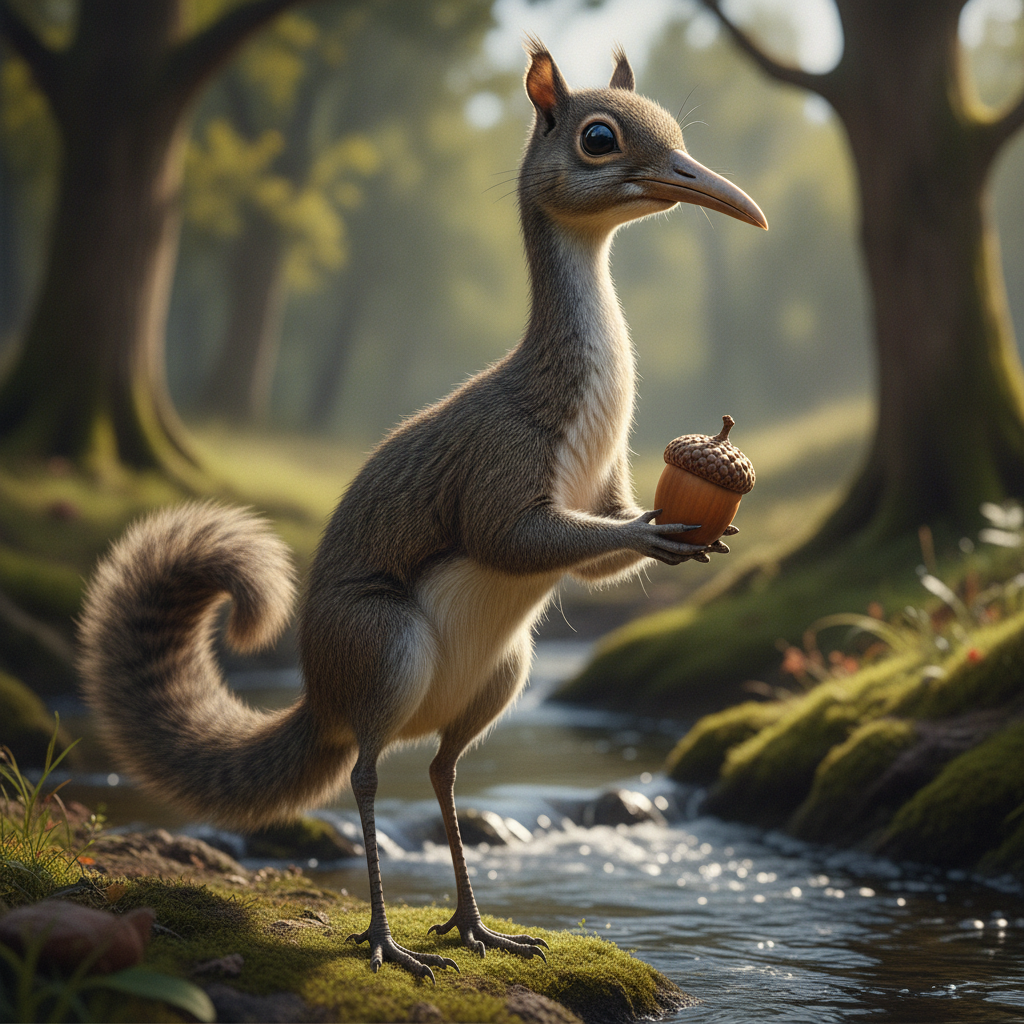
The Acorngrane exhibits a fascinating blend of its ancestral behaviors. It is incredibly agile, capable of scaling tall trees with the swiftness of a squirrel, utilizing its bushy tail for impeccable balance. However, its long, powerful legs also allow it to move rapidly across open ground, covering significant distances in graceful bounds, or wade through shallow waters with the deliberate steps of a crane. They are generally solitary creatures, though they may form small family units during breeding season, communicating with a unique vocalization that blends high-pitched chitters with a soft, resonant cooing.

These hybrids construct elaborate nests high in the canopies of ancient trees, often reusing and fortifying previous crane nests with woven branches, leaves, and moss, providing a secure haven for their young. Foraging takes them from the forest floor, where they dig for roots, insects, and small amphibians, to the highest branches, where they expertly crack nuts and gather berries. They are known for their meticulous food-storing habits, burying stashes of acorns and seeds to sustain them through lean seasons, a clear inheritance from their squirrel lineage.
Fun Facts
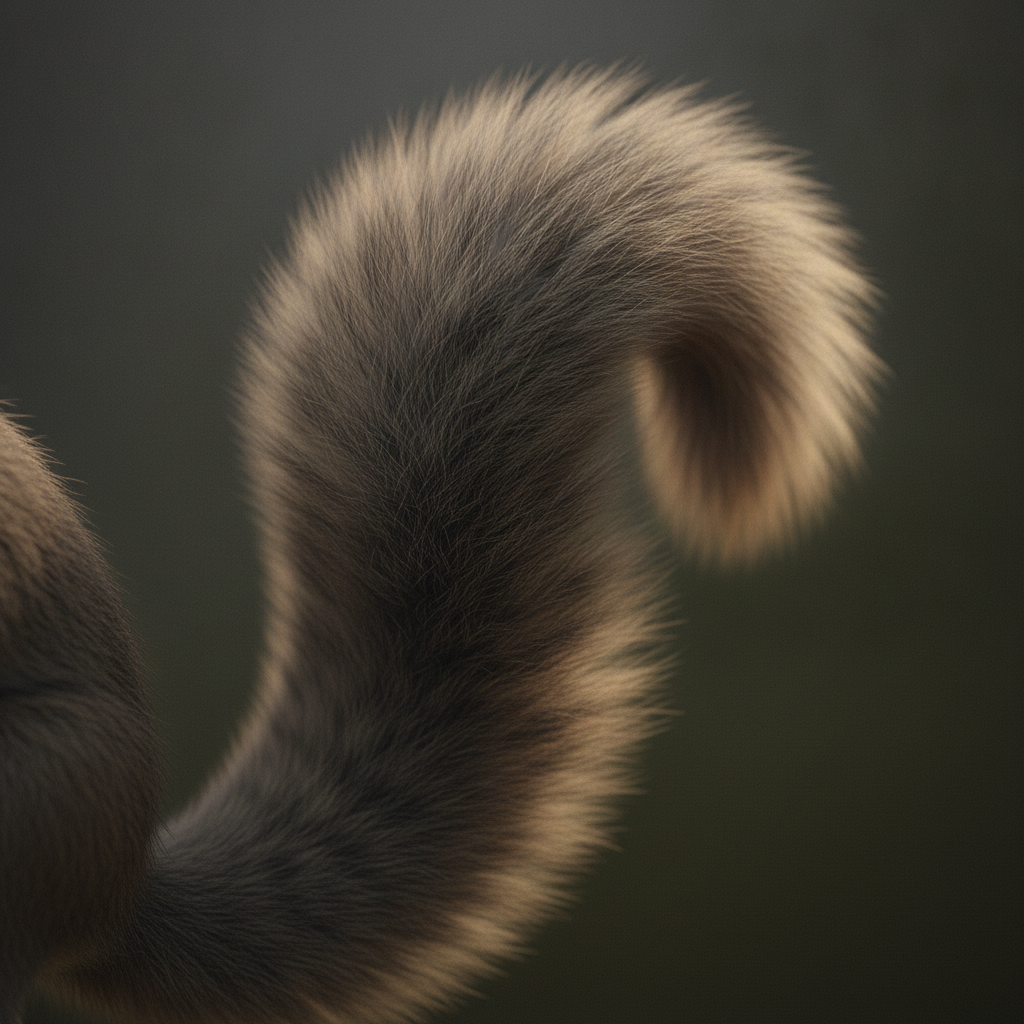
- 🔬 Its bushy tail is not only used for balance during climbs but also unfurls like a fan during its distinctive mating dance, resembling a tiny, arboreal ballet.
- 🔬 Acorngranes are one of the few arboreal creatures known to regularly wade into water, using their long legs to catch fish and aquatic insects.
- 🔬 Their long, slender fingers on their forelimbs are surprisingly dexterous, allowing them to manipulate tools like small twigs to extract grubs from bark.