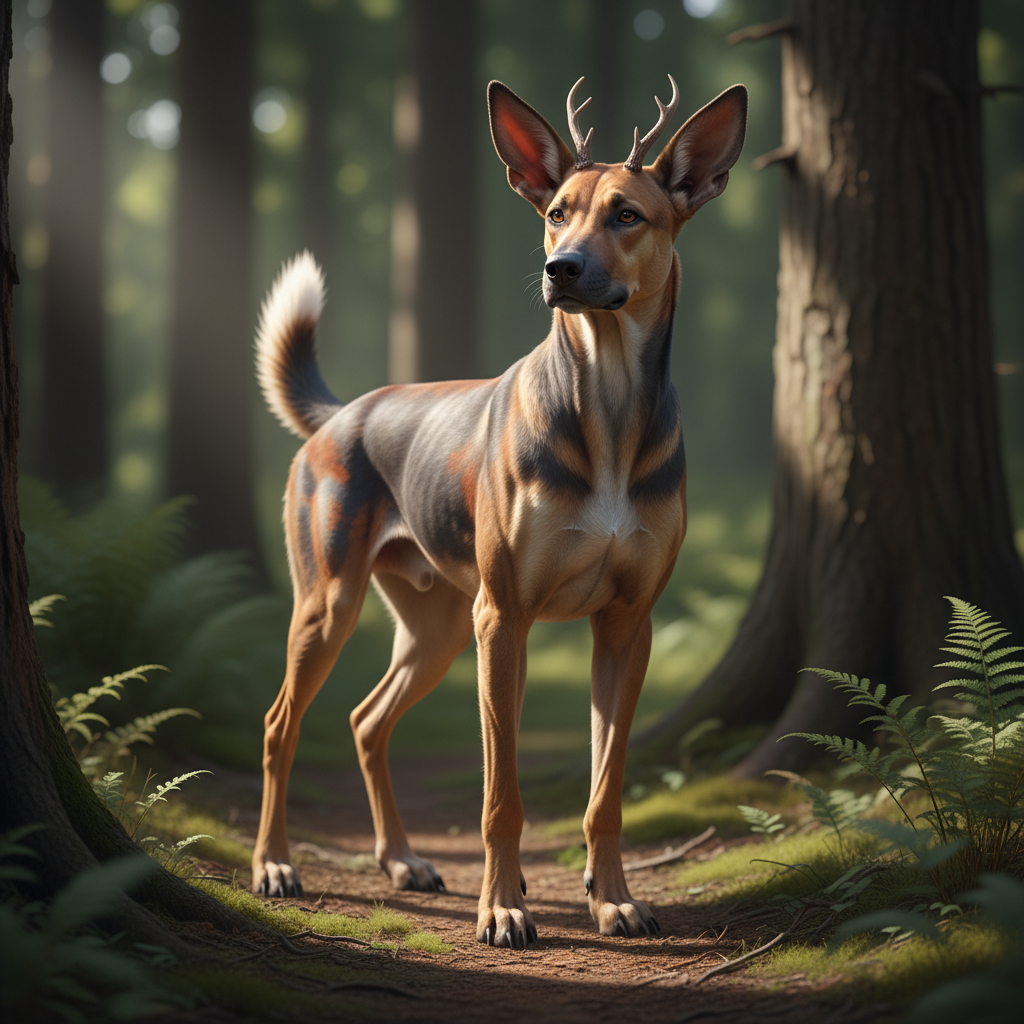
Barkstag
Cervus canis sylvestris
Stats
Behavior
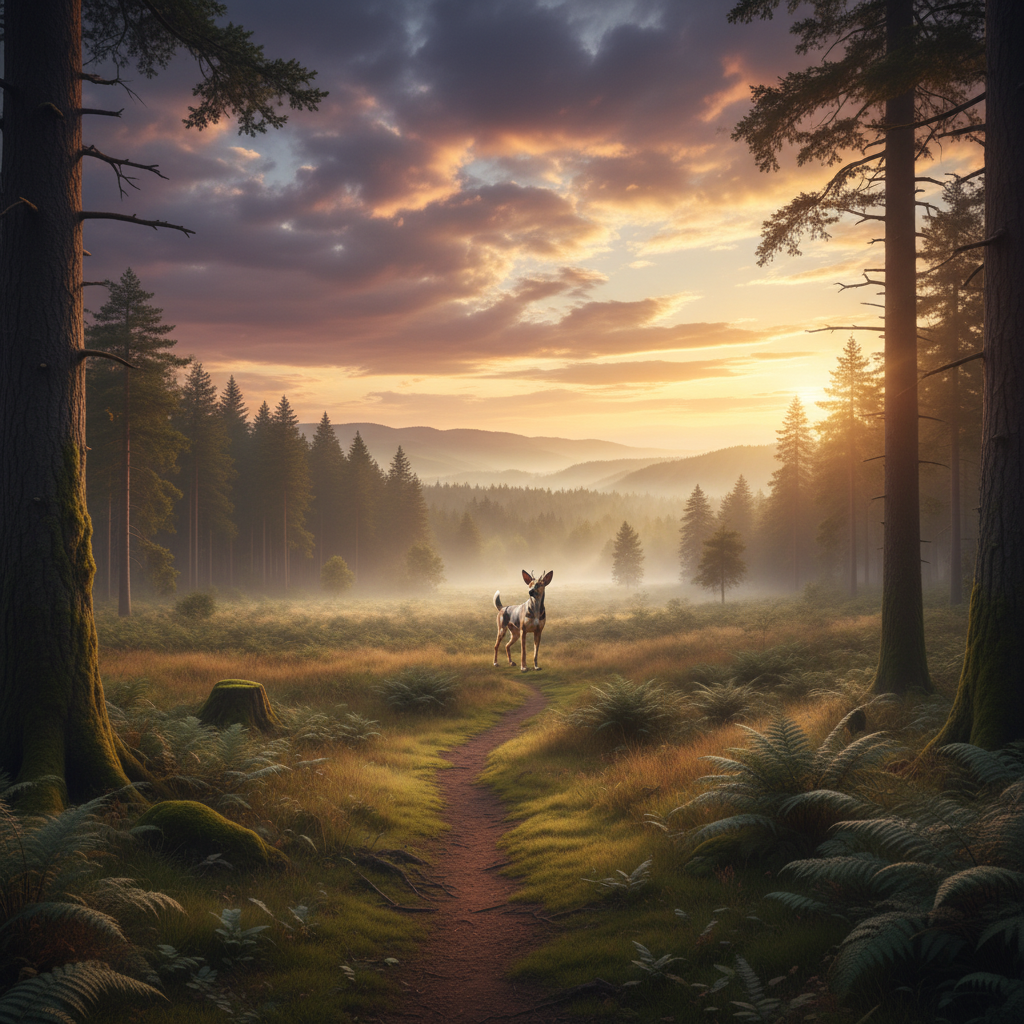
Barkstags are typically elusive and highly intelligent creatures, forming small, tight-knit family units known as 'herds' or 'packs.' They possess the keen senses of both deer and dogs, making them incredibly wary of intruders. While generally shy and preferring to avoid confrontation, they are fiercely loyal to their group and will defend their territory or young with surprising ferocity, often using their antlers for intimidation or defense. Their communication involves a complex blend of canine barks, whines, and deer-like snorts and bleats, along with intricate scent markings.
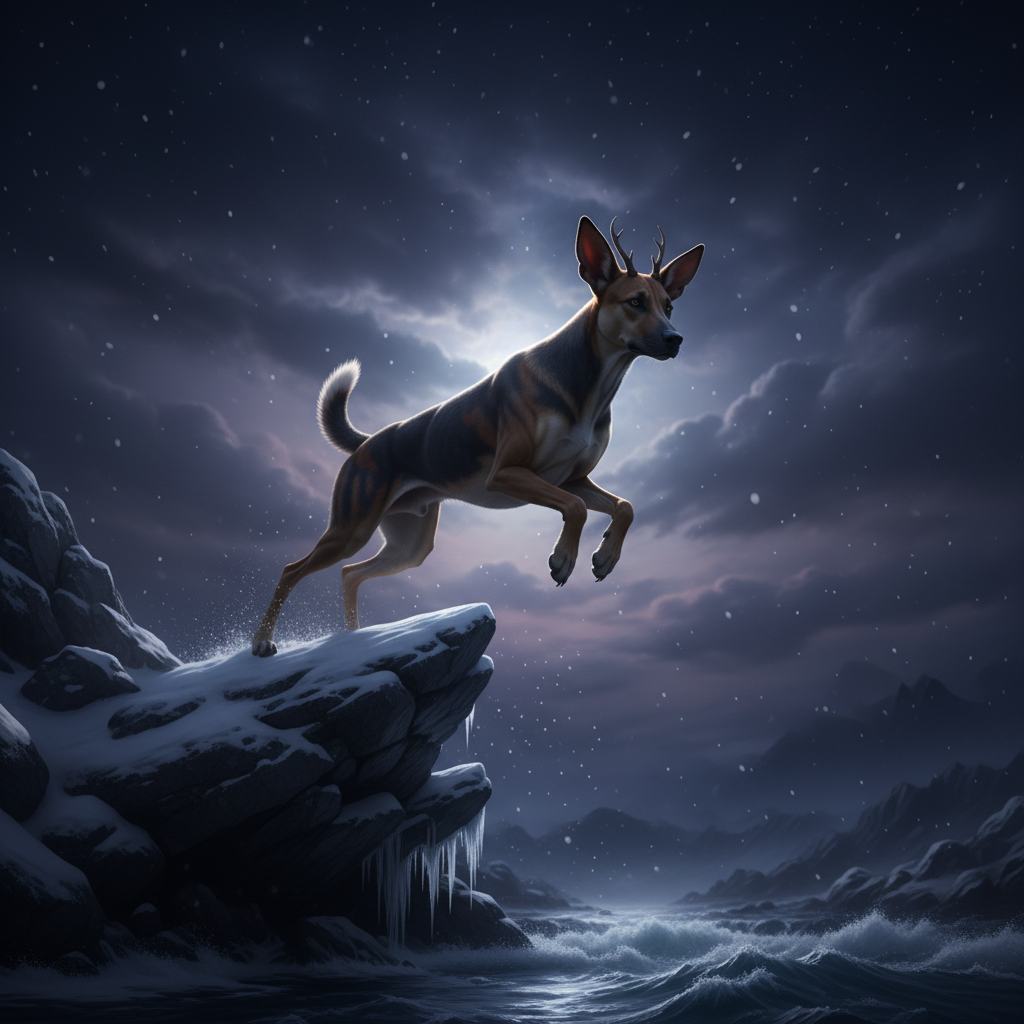
Highly adapted to their forested environments, Barkstags move with silent grace through dense undergrowth, creating intricate trail networks within their territory. They are opportunistic foragers, grazing on available vegetation, roots, and fungi, but their canine instincts drive them to also track and ambush small to medium-sized prey like rabbits, fowl, and even young boar. Known for their incredible endurance and bursts of speed, they can outrun most predators when necessary, utilizing their powerful deer-like legs to leap over obstacles with ease.
Fun Facts
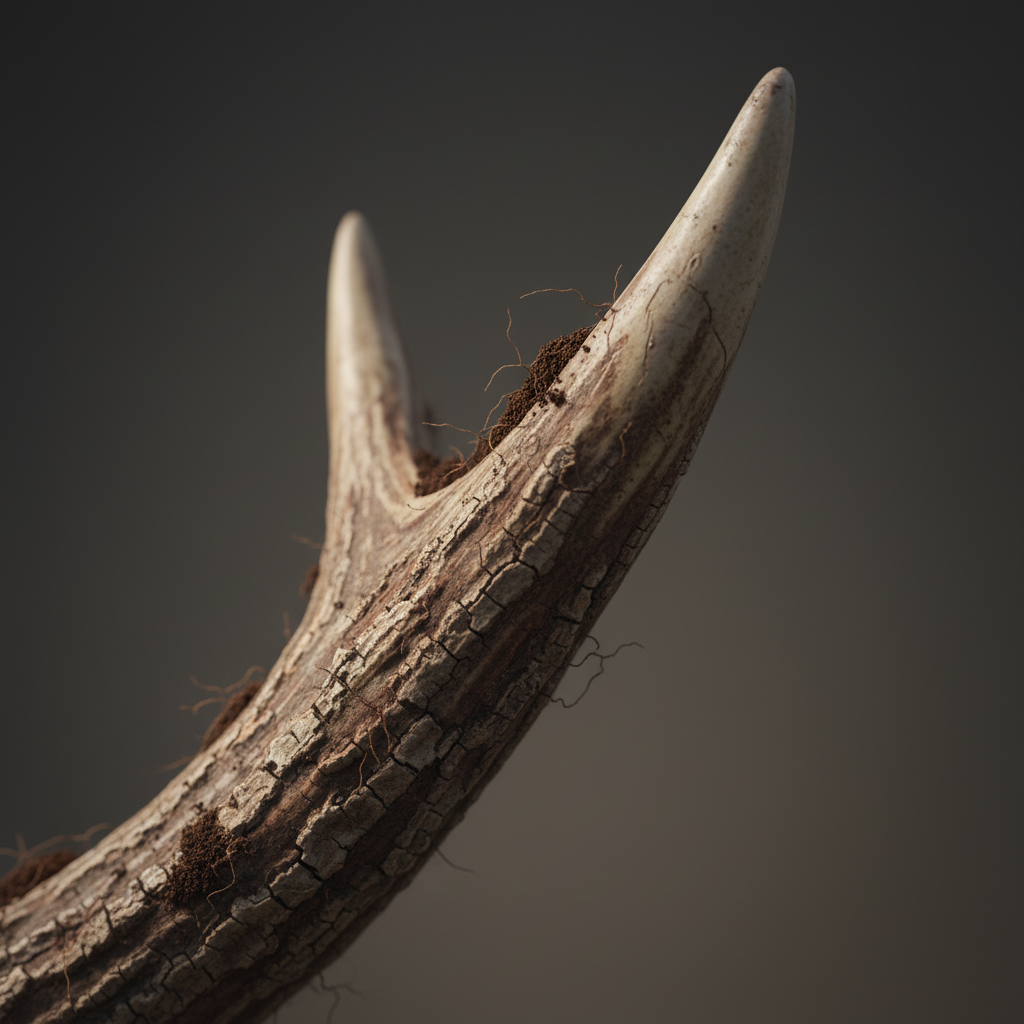
- 🔬 Antler Use: Unlike typical deer, Barkstag antlers are semi-permanent and are often used not only for defense and mating rituals but also for digging up roots, tubers, and grubs from the forest floor.
- 🔬 Whisper Bark: Their unique vocalization, often described as a 'whisper bark,' is a low, guttural sound that travels surprisingly far through dense foliage without alerting larger predators.
- 🔬 Camouflage Coat: Their mottled coat, a blend of fawn, reddish-brown, and dark grey, provides exceptional camouflage, making them nearly invisible among dappled sunlight and shadows in the forest.