
Platyseal
Ornithophoca natatoria
Stats

Behavior
The Platyseal is an incredibly elusive and solitary creature, spending most of its life underwater. It's known for its graceful, torpedo-like movement through the water, propelled by powerful rear flippers, while its front flippers are surprisingly dexterous, used for foraging along the riverbed. Unlike true seals, the Platyseal uses its sensitive, electroreceptive bill to detect prey hidden in murky waters or sediment, much like its platypus ancestor. On land, it waddles with a distinctive undulating gait, using its front flippers for support and its sturdy, flat tail for balance.

Platyseals are primarily nocturnal, emerging from their bank-side burrows or underwater dens at dusk to hunt. They construct elaborate tunnel systems, often with multiple entrances both above and below the waterline, providing safe havens from predators. They are fiercely territorial, especially during breeding season, communicating through a series of soft chirps, trills, and occasional low growls. Mothers are devoted, raising a single 'pup' (often called a 'platypup' by cryptozoolgists) in their underground nurseries.
Fun Facts
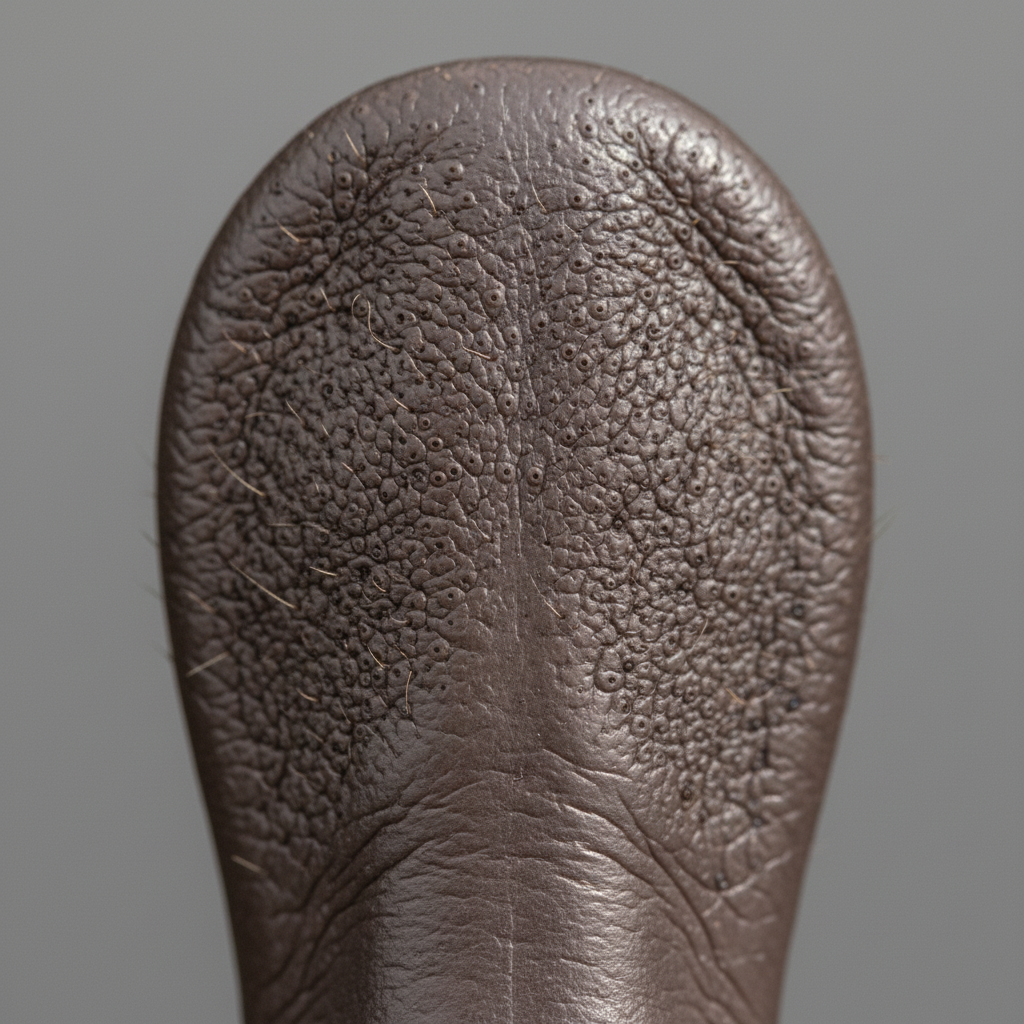
- 🔬 The Platyseal's 'bill' is not hard like a duck's but is a leathery, highly sensitive sensory organ, covered in thousands of electroreceptors and mechanoreceptors, allowing it to 'see' prey in complete darkness.
- 🔬 Despite its sleek, seal-like fur, the male Platyseal possesses a venomous spur on its hind flippers, capable of inflicting excruciating pain, a potent defense mechanism inherited from its platypus lineage.
- 🔬 Its dense, waterproof coat changes color seasonally, from a dark chocolate brown in winter to a lighter, more mottled grey-brown in summer, providing excellent camouflage in its varied aquatic environments.