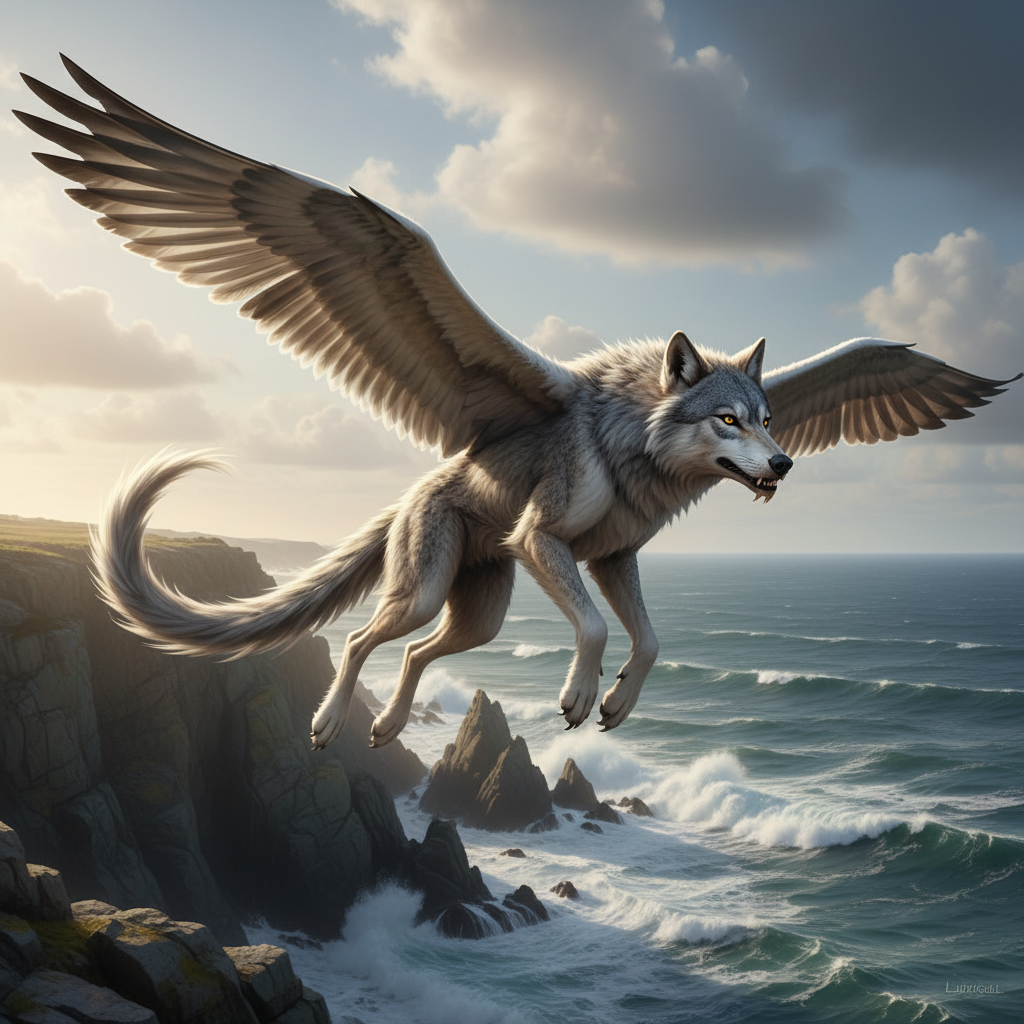
Lupigull
Canis larus aetheris
Stats

Behavior
The Lupigull exhibits a fascinating blend of its ancestral traits. Unlike solitary gulls, Lupigulls often form small, tight-knit familial packs of 3-5 individuals, displaying complex social structures reminiscent of wolves. They communicate through a unique combination of howls, barks, and piercing gull-like cries, which can carry for miles over the open water. These creatures are highly territorial, patrolling vast coastal stretches from the air and on foot, using both their keen sense of smell and exceptional eyesight to locate prey or intruders. They are fierce protectors of their nesting grounds and young.
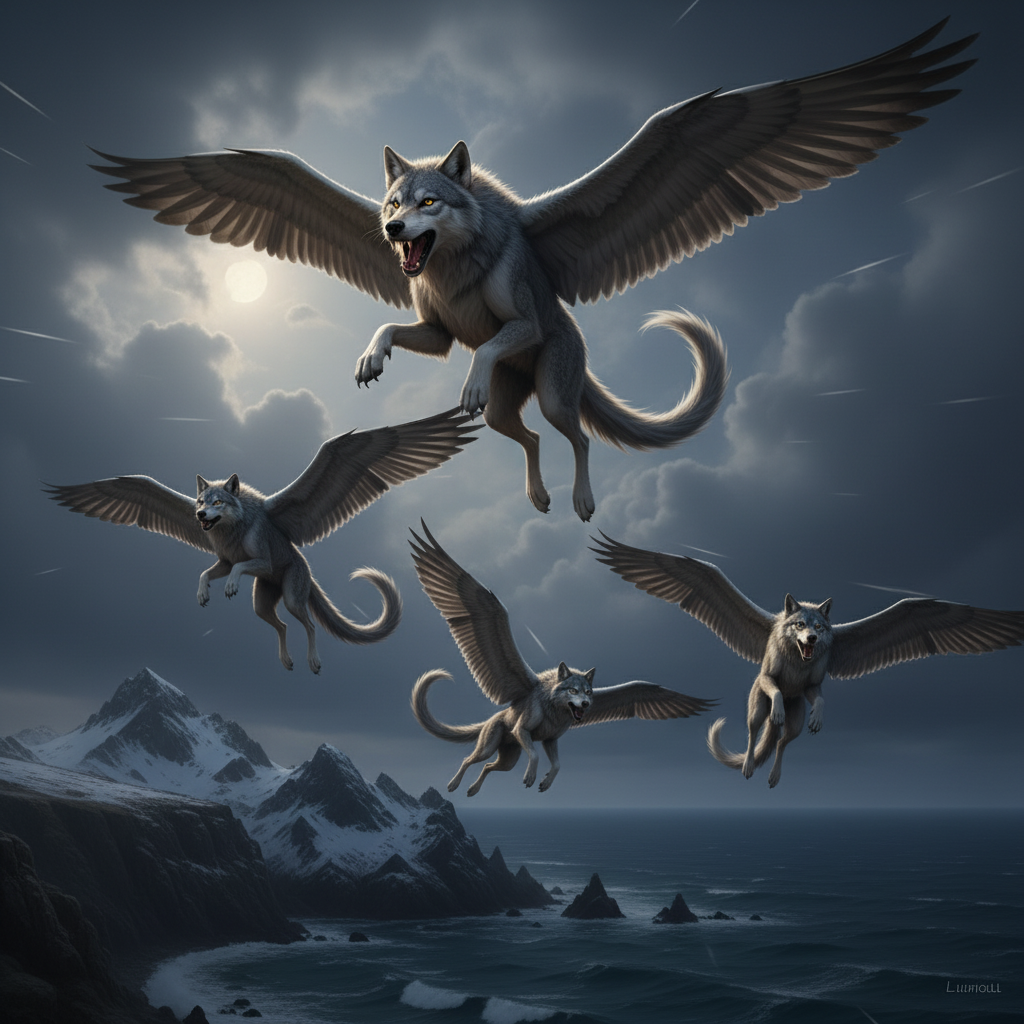
Primarily aerial predators, Lupigulls soar on powerful wings, using updrafts along cliff faces to conserve energy before diving with surprising speed and agility to snatch prey from the surf or land. They are also adept ground hunters, navigating rocky shores and dense coastal scrub with the stealth and endurance of a wolf. Their adaptability allows them to thrive in harsh environments, migrating seasonally along coastlines to follow food sources or avoid severe weather, often utilizing the same ancestral nesting sites year after year.
Fun Facts
- 🔬 A Lupigull's 'howl' begins with a deep, resonant wolf-like note that quickly transitions into a series of high-pitched, echoing gull-like screams, often used to warn off rivals or call pack members.
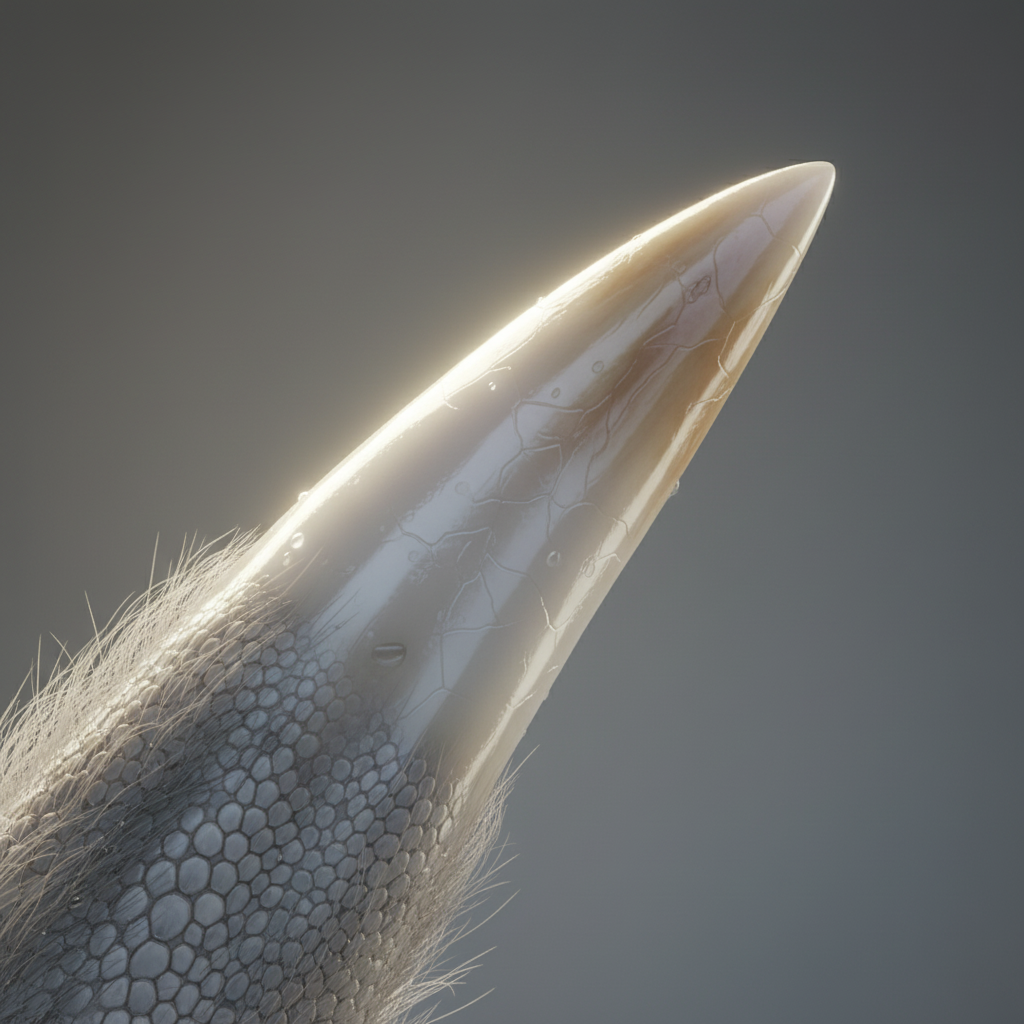
- 🔬 Their fur-feathers are remarkably hydrophobic, allowing them to remain insulated and dry even after diving into frigid waters for fish, and their thick undercoat provides warmth against harsh coastal winds.
- 🔬 Lupigulls are known to perform elaborate aerial courtship displays, involving synchronized dives, spins, and calls, culminating in a shared hunt for a symbolic 'prey' offering to their chosen mate.