Octofalcon
Cephalopteryx raptoria
Stats

Behavior
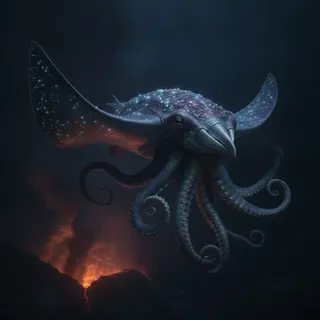
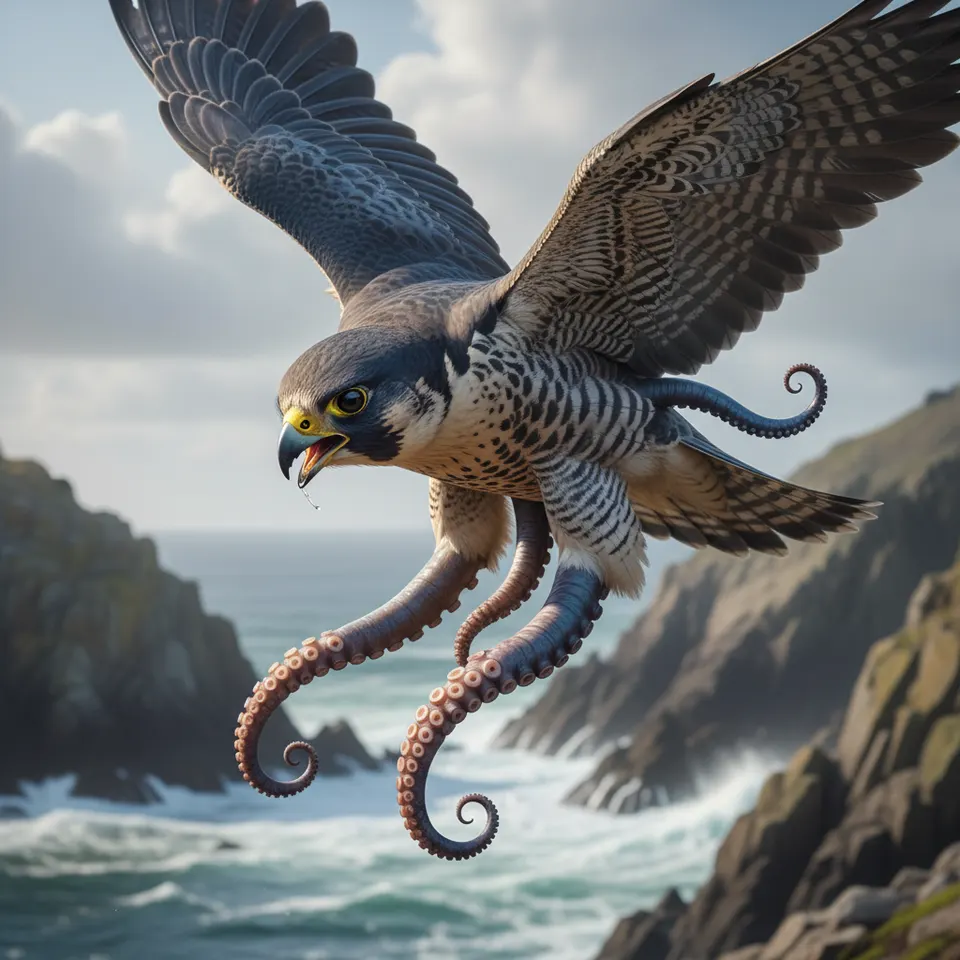
The Octofalcon is a supremely intelligent and solitary aerial predator. It soars high above the tumultuous seas, using its incredible eyesight to spot prey. Once a target is acquired, it executes a breathtaking dive, not unlike a peregrine falcon, but with a unique twist. Instead of talons, it extends two powerful, prehensile tentacles from its lower abdomen, which it uses with unparalleled dexterity to snatch prey mid-flight or from the water's surface, often stunning larger catches with a sudden, powerful constriction. Its other six tentacles are typically kept retracted close to its body during flight, only unfurling when landing, scaling cliffs, or manipulating objects with surprising precision.
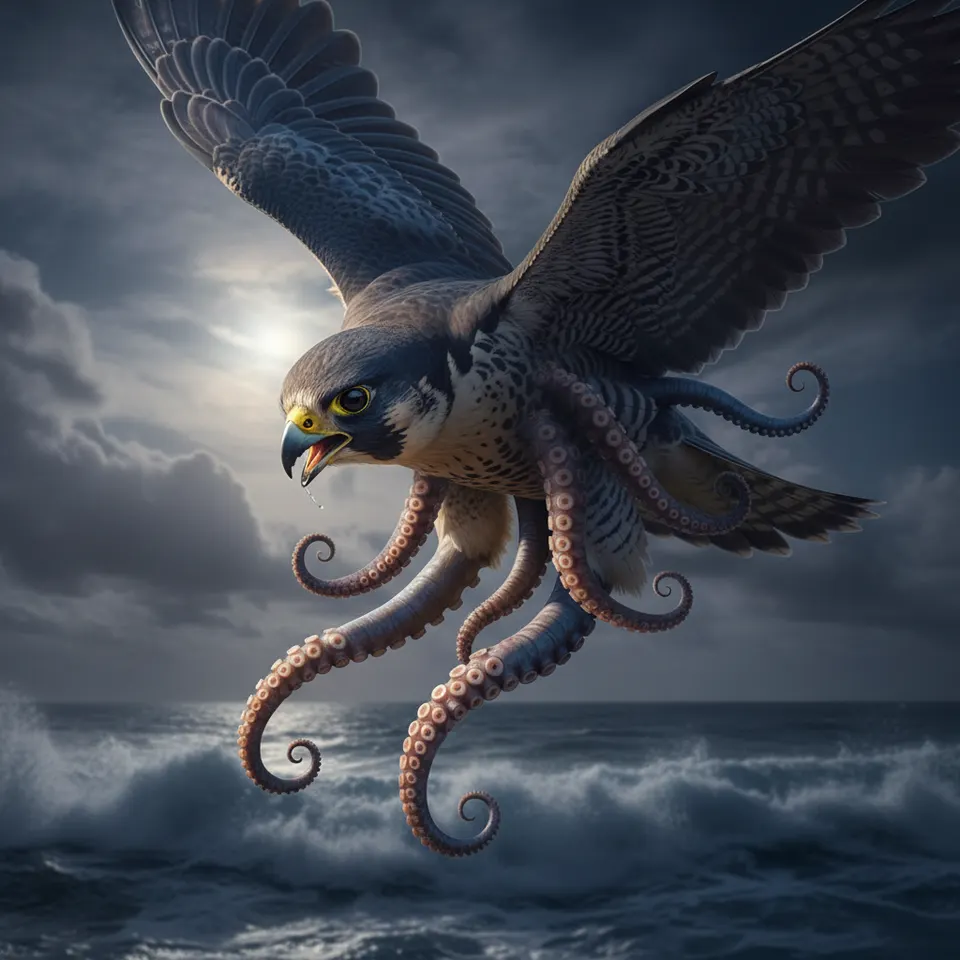
They maintain vast territories, aggressively defending their prime hunting grounds from other large raptors and marine predators. Nests, known as 'tentaculums,' are elaborately constructed on inaccessible cliff ledges or within deep sea caves accessible only by air, woven from sturdy kelp, discarded fishing nets, and reinforced with hardened secretions. Though solitary for most of their lives, mating pairs may form for several seasons, demonstrating complex aerial courtship rituals involving synchronized dives and intricate tentacle displays.
Fun Facts
- 🔬 The Octofalcon's skin, beneath its primary feather layer, can shift color and texture rapidly, allowing it to camouflage perfectly against both rock faces and the open sky.
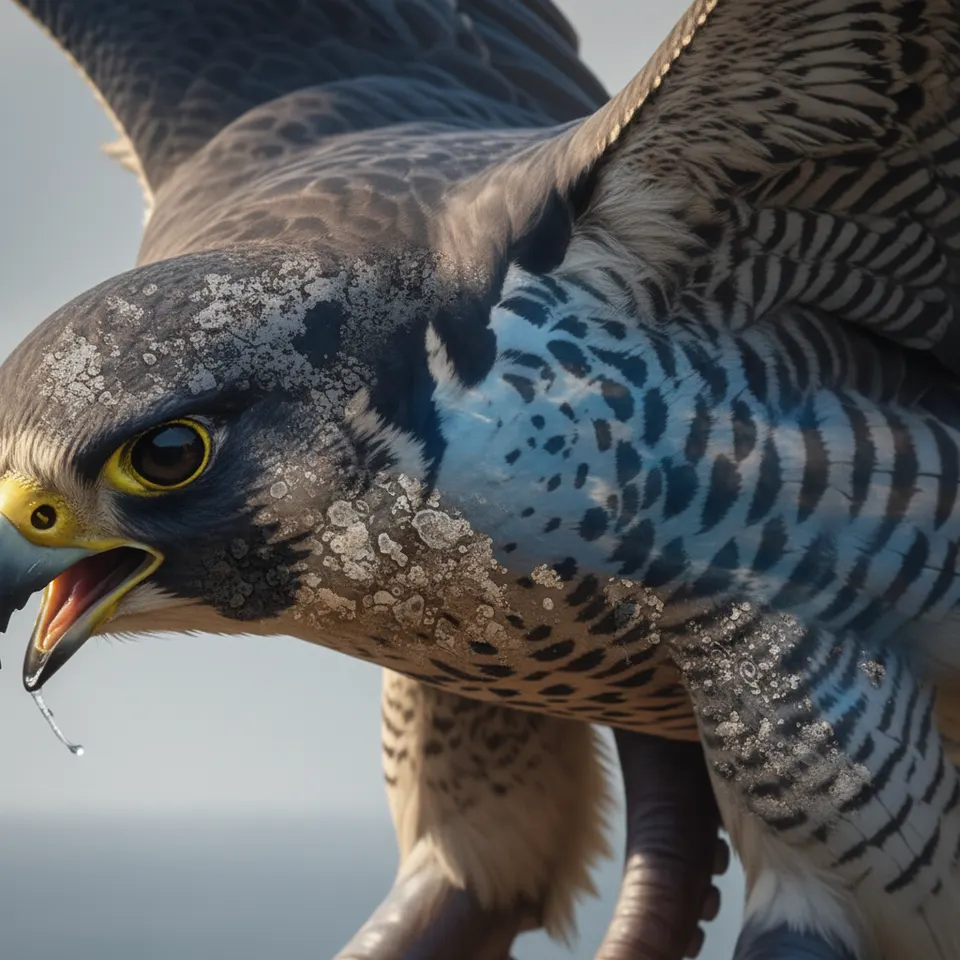
- 🔬 Its beak is tipped with a retractable chitinous barb, capable of delivering a potent neurotoxin similar to that found in some venomous octopuses, used to incapacitate particularly feisty prey.
- 🔬 Despite its formidable appearance, juvenile Octofalcons communicate through a series of high-pitched whistles and color-changing patterns on their nascent tentacles, indicating mood and needs to their parents.