Slowpard
Lentus pardalis
Stats
Behavior
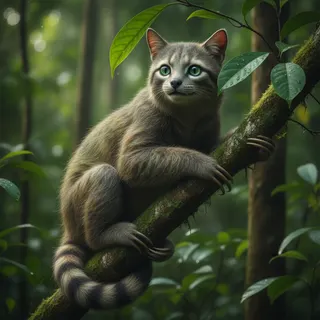
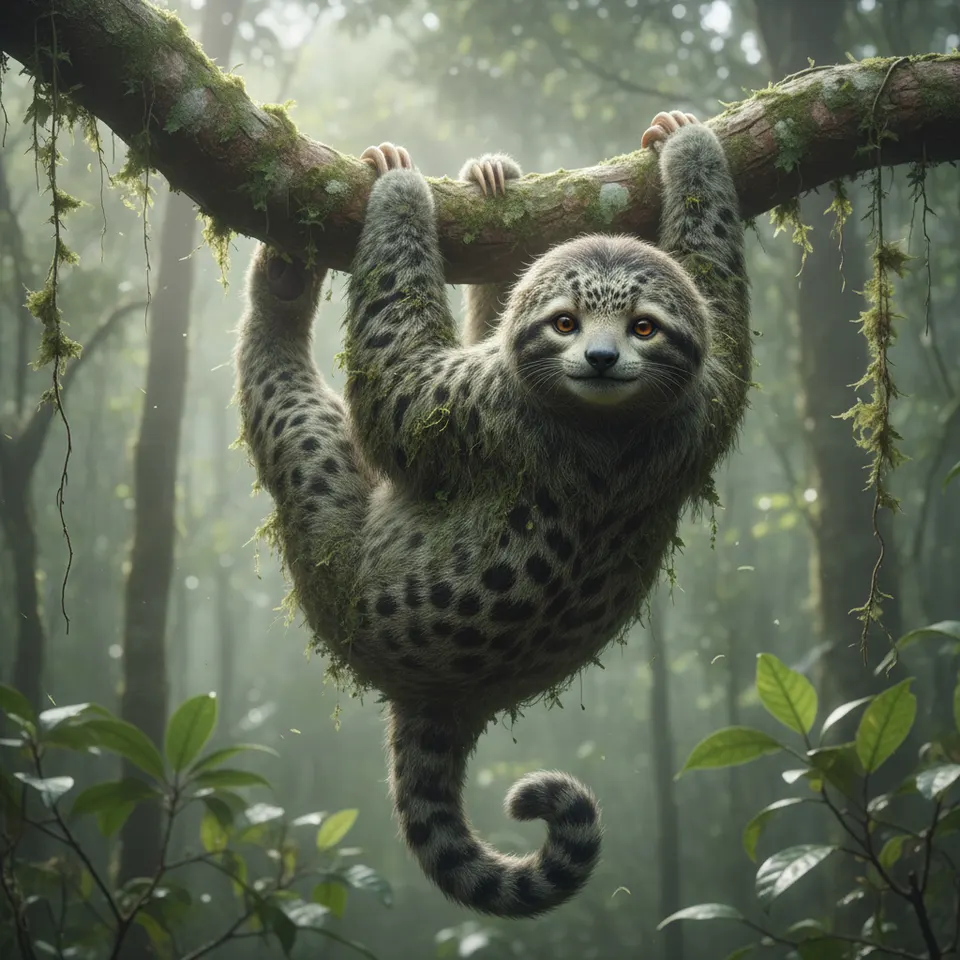
The Slowpard embodies a paradoxical blend of its ancestors. It moves with the deliberate, almost glacial pace of a sloth, spending most of its life suspended upside down from branches. However, when threatened or presented with an opportunistic ambush, it can exhibit astonishing bursts of leopard-like agility and power, though these moments are rare and metabolically costly. Its primary hunting strategy involves patient, near-motionless waiting for unsuspecting prey to come within reach, utilizing its superior camouflage to perfection.
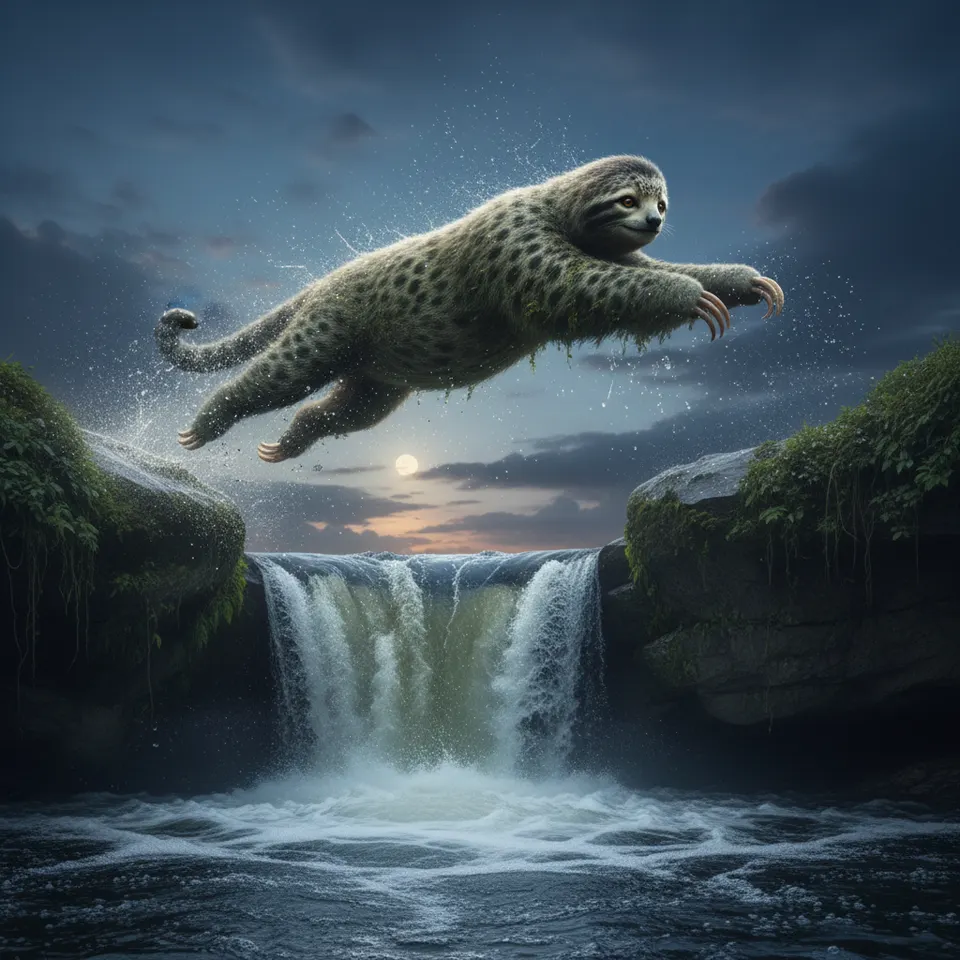
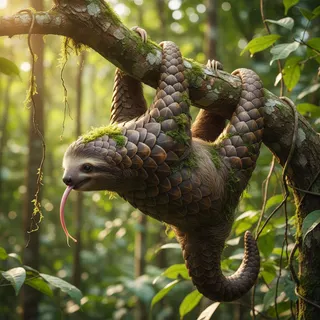
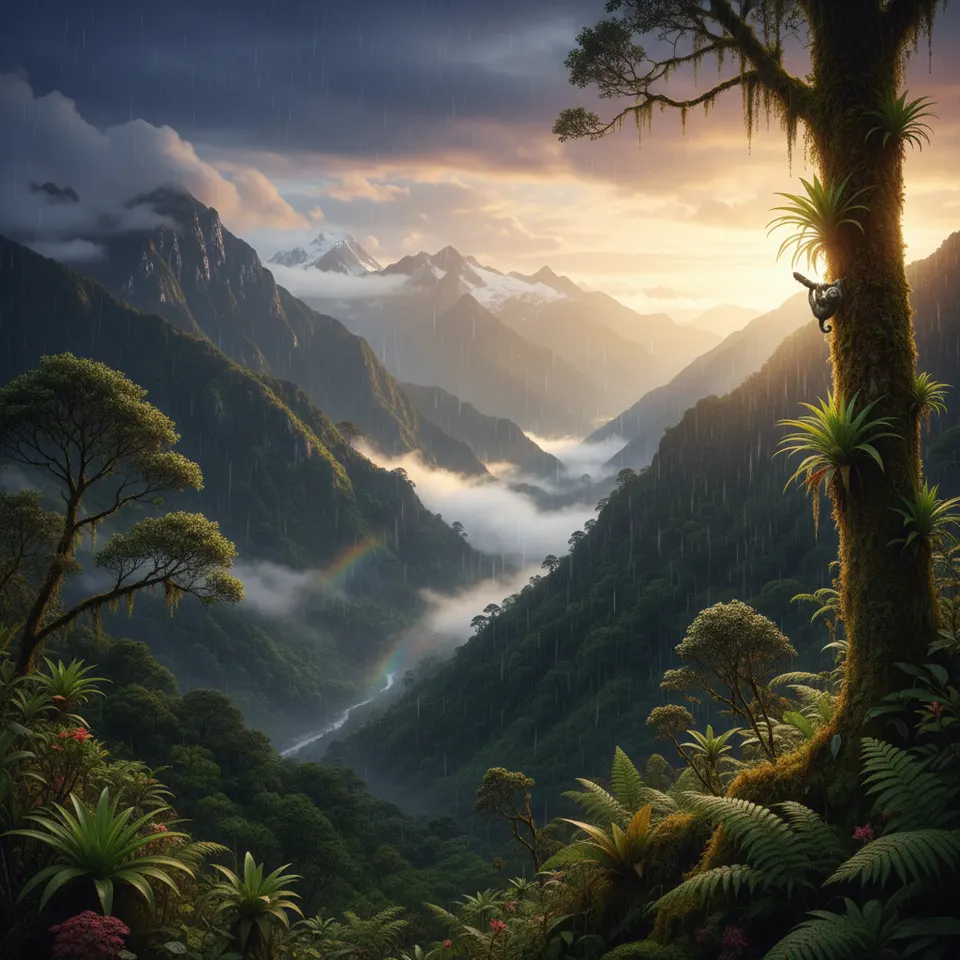
Solitary and highly territorial, Slowpards establish vast, vertical territories within the canopy of old-growth cloud forests. They mark their presence with unique scent glands and deep claw gouges on tree trunks. Despite their slow movement, they are masters of arboreal navigation, their powerful, hooked claws providing an unbreakable grip, allowing them to traverse treacherous branches with incredible stability. They descend to the forest floor only for specific mineral licks or during extreme droughts, preferring the safety and bounty of the canopy.
Fun Facts
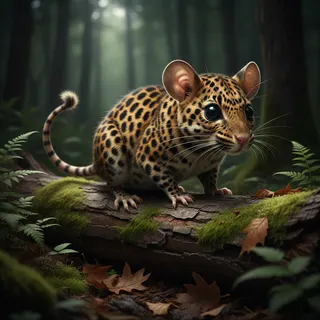
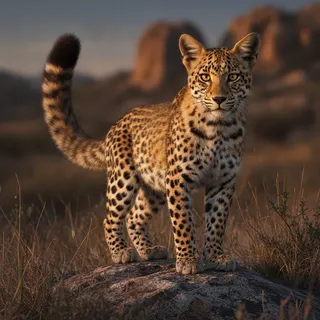
- 🔬 Its fur features a unique camouflage pattern: a base of mossy green-grey sloth fur interwoven with the classic rosette spots of a leopard. These spots are not solid but rather mottled, appearing like lichen or shadows on tree bark, making them almost invisible in the dappled light of the canopy.
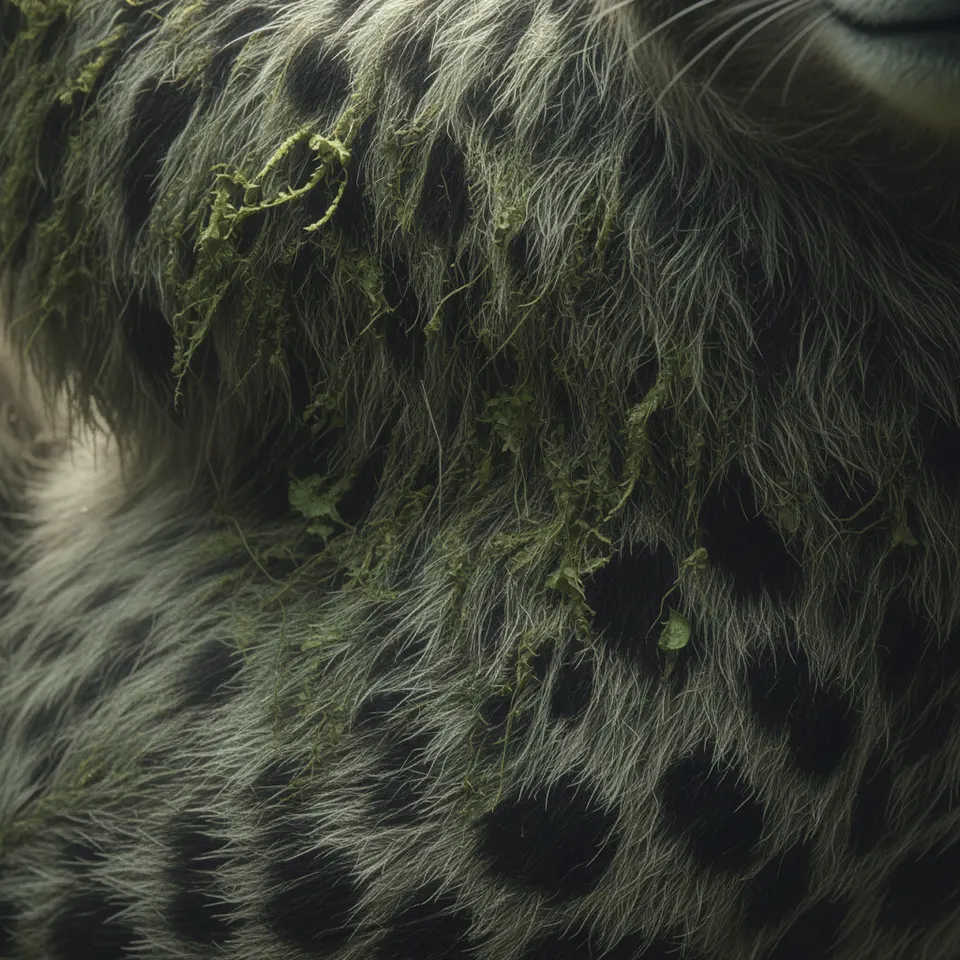
- 🔬 Slowpards have perfected a hunting technique known as the 'Ambush Nap,' where they enter a state of extreme metabolic slowdown, resembling sleep, for hours on end directly above frequently traveled arboreal paths. When a suitable prey item passes below, they can drop with surprising speed and precision, delivering a swift, powerful bite.
- 🔬 Unlike many sloths that rely heavily on sun-basking, the Slowpard possesses a slightly more efficient internal thermoregulation system inherited from its leopard lineage, allowing it to maintain a stable body temperature even in the cooler, damp conditions of high-altitude cloud forests, though it still appreciates a good sunbeam.