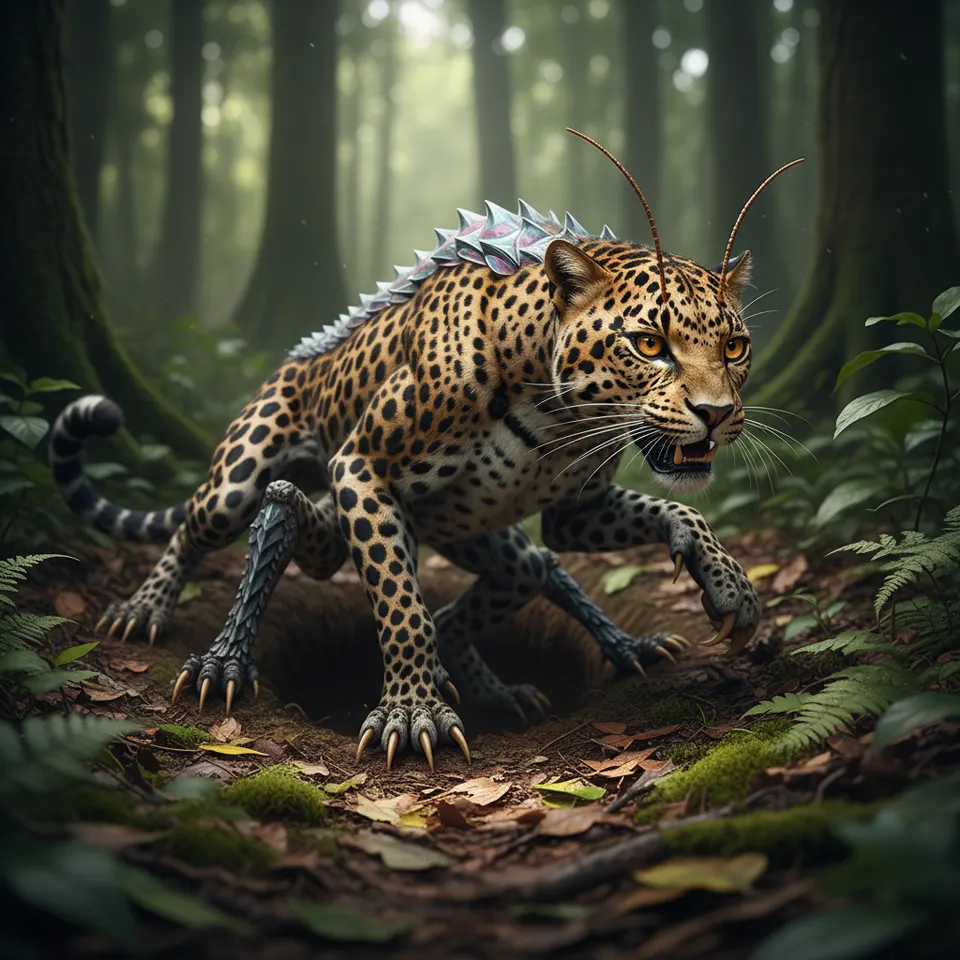
Leopant
Formicapanthera maculata
Stats

Behavior
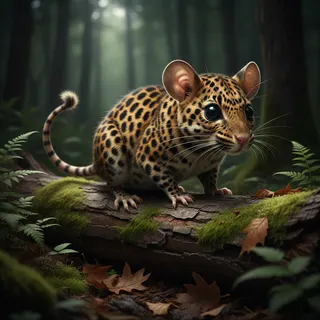
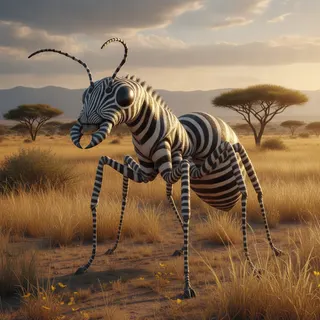
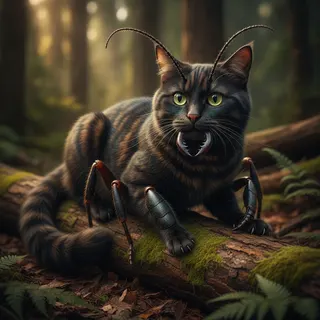
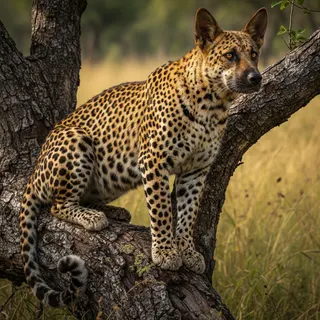
The Leopant exhibits a fascinating duality in its social behavior. Above ground, it is a solitary, stealthy hunter, much like its leopard ancestor, utilizing its spotted camouflage to ambush prey. However, unlike leopards, the Leopant lives in complex underground colonies akin to its ant lineage, returning to its subterranean network to share food, raise young, and participate in communal duties within a familial unit. These colonies are typically led by an elder female, often referred to as the 'Matriarch Weaver', who guides the digging and expansion of the burrow system.

These subterranean networks can be vast, spanning acres beneath the forest floor and serving as a secure stronghold against predators and harsh weather. Leopants are meticulous architects, digging intricate tunnels and multi-chambered nests with specialized, hardened claws. They are primarily crepuscular and nocturnal, emerging at dusk to hunt, but will forage during the day if food is scarce. They possess an excellent sense of smell and vibration detection, crucial for navigating their underground world, locating prey, and sensing threats from afar.
Fun Facts
- 🔬 Despite their robust build, Leopants possess incredible strength relative to their size, able to carry prey several times their own weight back to their colony's larder.
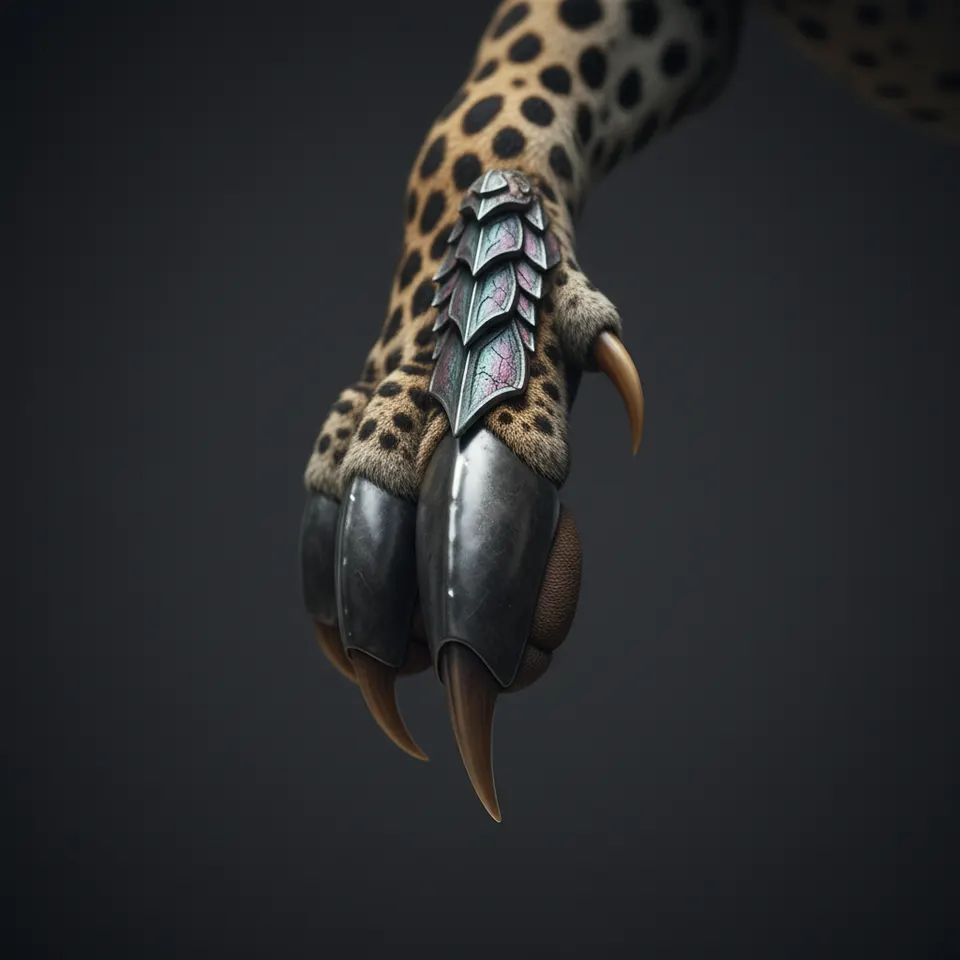
- 🔬 Their distinctive rosette patterns, inherited from the leopard, are completely unique to each individual, serving as a natural form of identification within the colony, similar to how human fingerprints work.
- 🔬 Leopants communicate through a complex system of pheromones and subtle body language, which varies significantly between above-ground hunting signals and subterranean communal interactions, allowing for a nuanced exchange of information without vocalization.