The Tortle
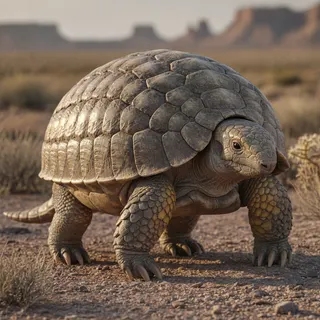
Amphitestudo chelonea
Stats
Behavior
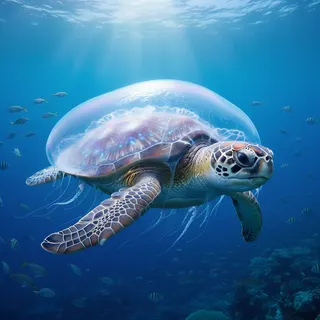
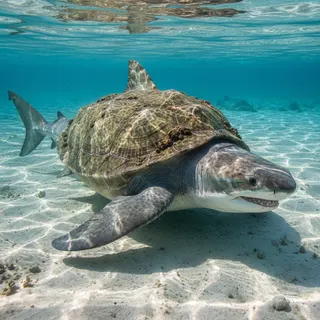
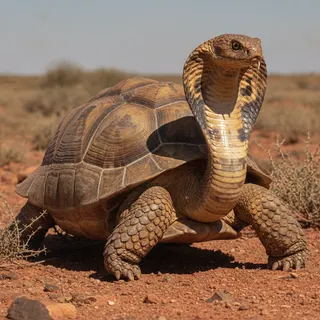
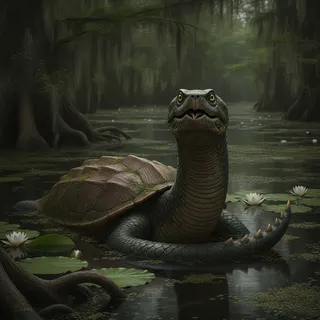
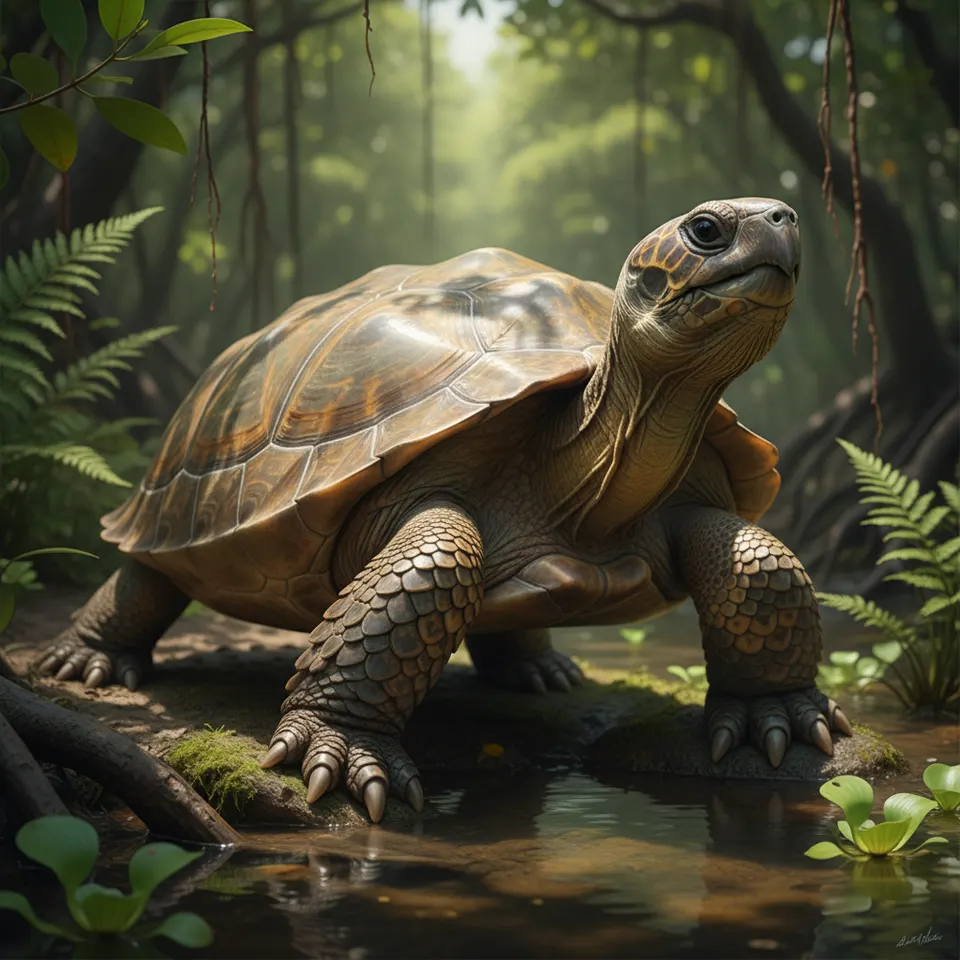
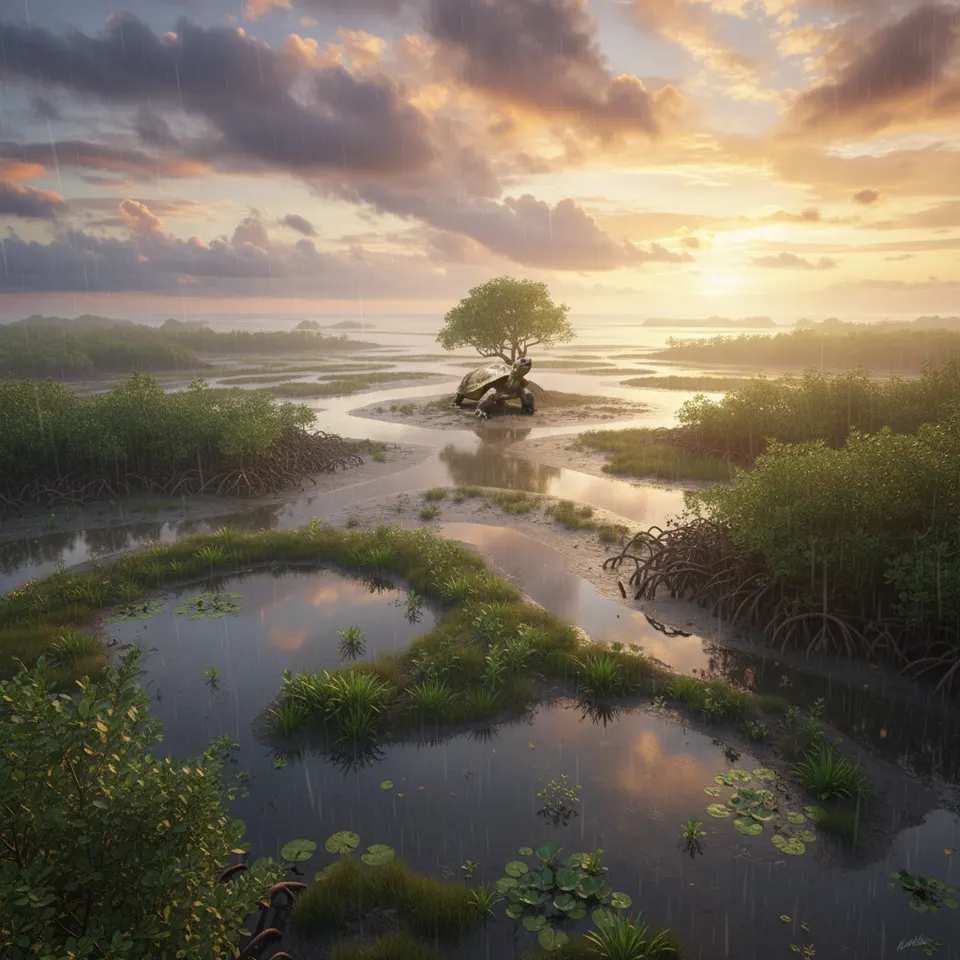
The Tortle exhibits a fascinating duality in its behavior. On land, it moves with the deliberate, heavy gait of a tortoise, though its slightly webbed feet give it better traction on soft earth and muddy banks. In water, it transforms, using its paddle-like limbs for propulsion, capable of surprising speeds and graceful dives. They are largely solitary creatures, coming together only during breeding season, which often occurs in marshy areas that bridge their land and water worlds.

These creatures spend their days foraging both on land for fallen fruits, roots, and insects, and in the water for aquatic plants, small fish, and crustaceans. Their uniquely adapted shells, lighter than a typical tortoise's but slightly more domed than a sea turtle's, offer robust protection from both terrestrial and aquatic predators. They are known to bask on sunny riverbanks or floating logs for thermoregulation, always staying close enough to water for a swift, powerful escape.
Fun Facts
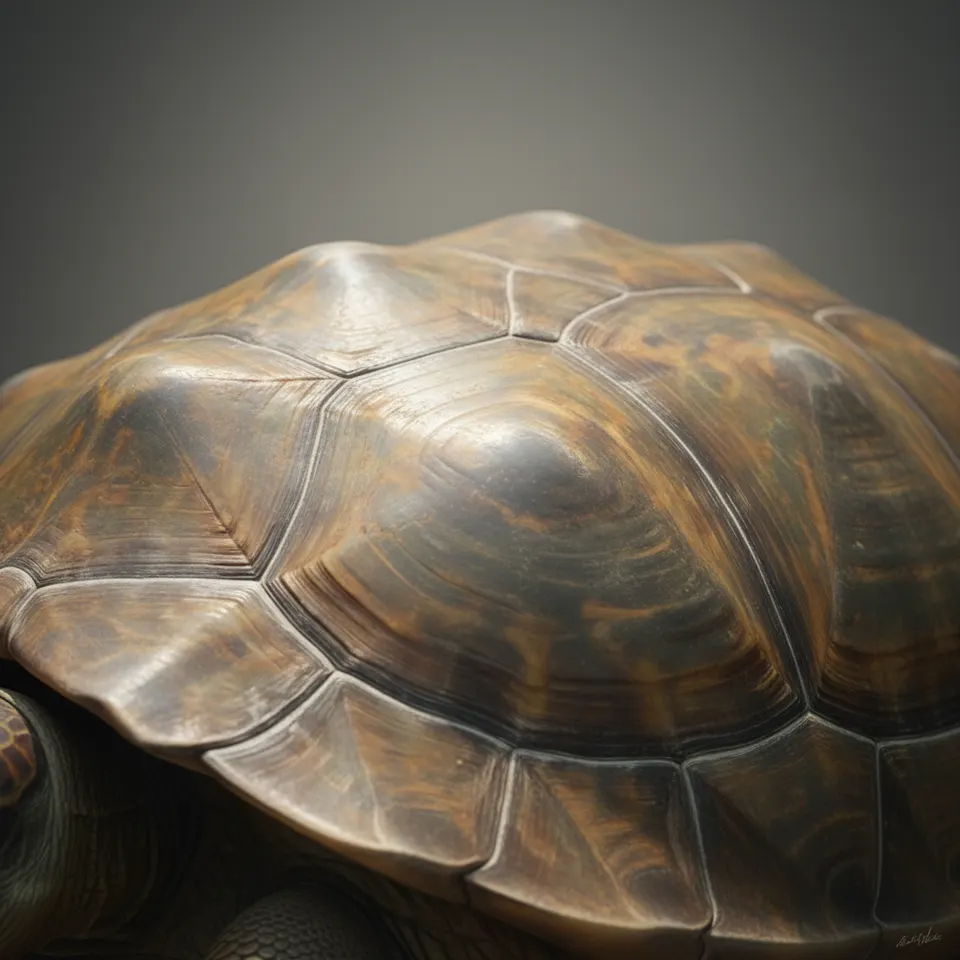
- 🔬 Its shell is a marvel of evolutionary compromise: partially domed for land protection like a tortoise, yet smoother and more hydrodynamic than typical land shells, allowing for efficient movement through water.
- 🔬 Unlike most sea turtles which lay eggs exclusively on sandy beaches, Tortles prefer to bury their clutches in damp, muddy soil at the edge of freshwater swamps or estuaries, ensuring their offspring hatch close to both land and water resources.
- 🔬 Young Tortles, known as 'Tortlets,' possess stronger webbing and flatter shells than adults, making them more aquatic during their vulnerable early life until their shells gradually dome and legs strengthen for terrestrial exploration.