Ottortoise
Testudolutra aqua
Stats

Behavior
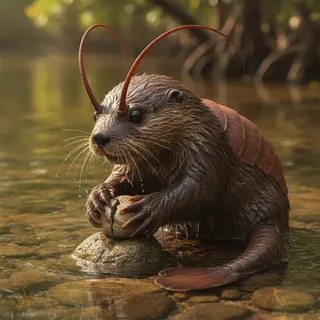
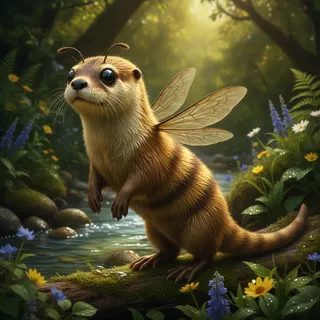
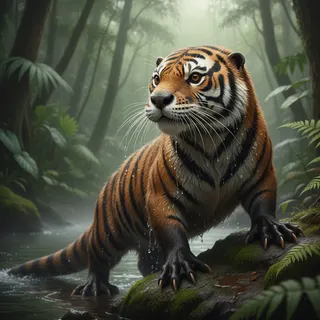
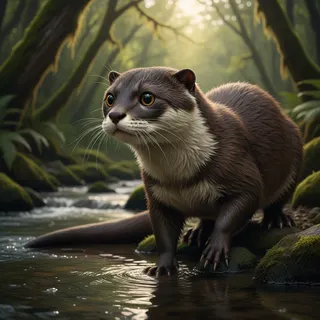
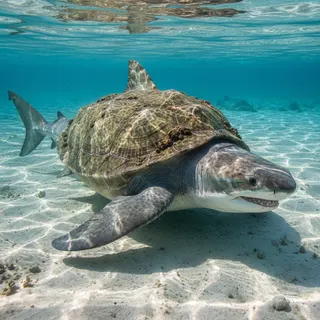
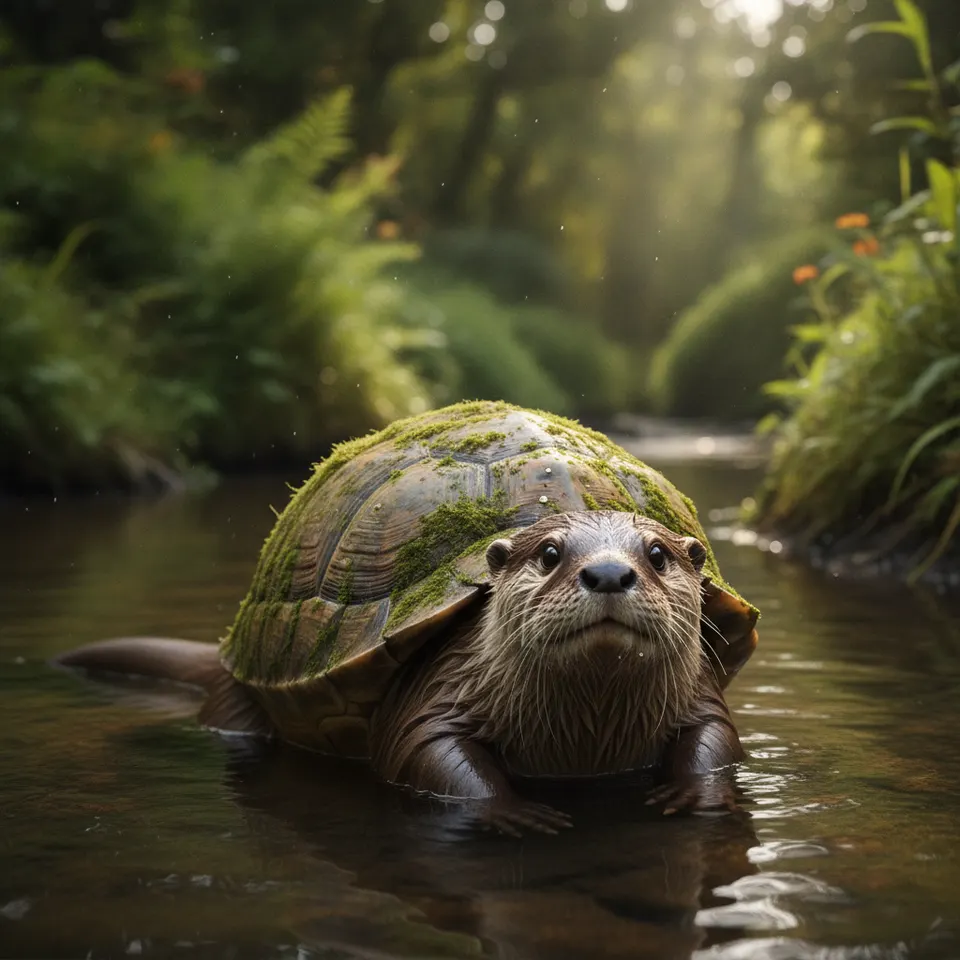
The Ottortoise exhibits a fascinating blend of its progenitors' traits. It possesses the streamlined body and powerful tail of an otter, perfectly adapted for aquatic life, yet carries a sturdy, dome-shaped shell on its back reminiscent of a terrestrial tortoise. When on land, it moves with a deliberate, waddling gait, using its strong, somewhat webbed paws to support its weighty shell. In water, it propels itself gracefully using its tail and webbed feet, with its shell serving as both ballast and robust protection against aerial predators or curious larger aquatic creatures. It can fully retract its head and limbs into its shell when threatened, even while submerged.

Primarily a solitary creature, the Ottortoise is most active during dawn and dusk, foraging diligently along riverbanks, in shallow waters, and occasionally venturing onto marshy islands. It constructs secure dens in soft soil near its aquatic hunting grounds, often under the roots of large trees or within hollow logs, providing a safe haven for rest and the laying of its small clutch of leathery eggs. Its cryptically colored shell, often adorned with moss and algae, provides excellent camouflage among its wetland habitat, allowing it to blend seamlessly with its environment.
Fun Facts
- 🔬 Despite its substantial shell, the Ottortoise is an surprisingly agile swimmer, capable of quick bursts of speed to catch prey.
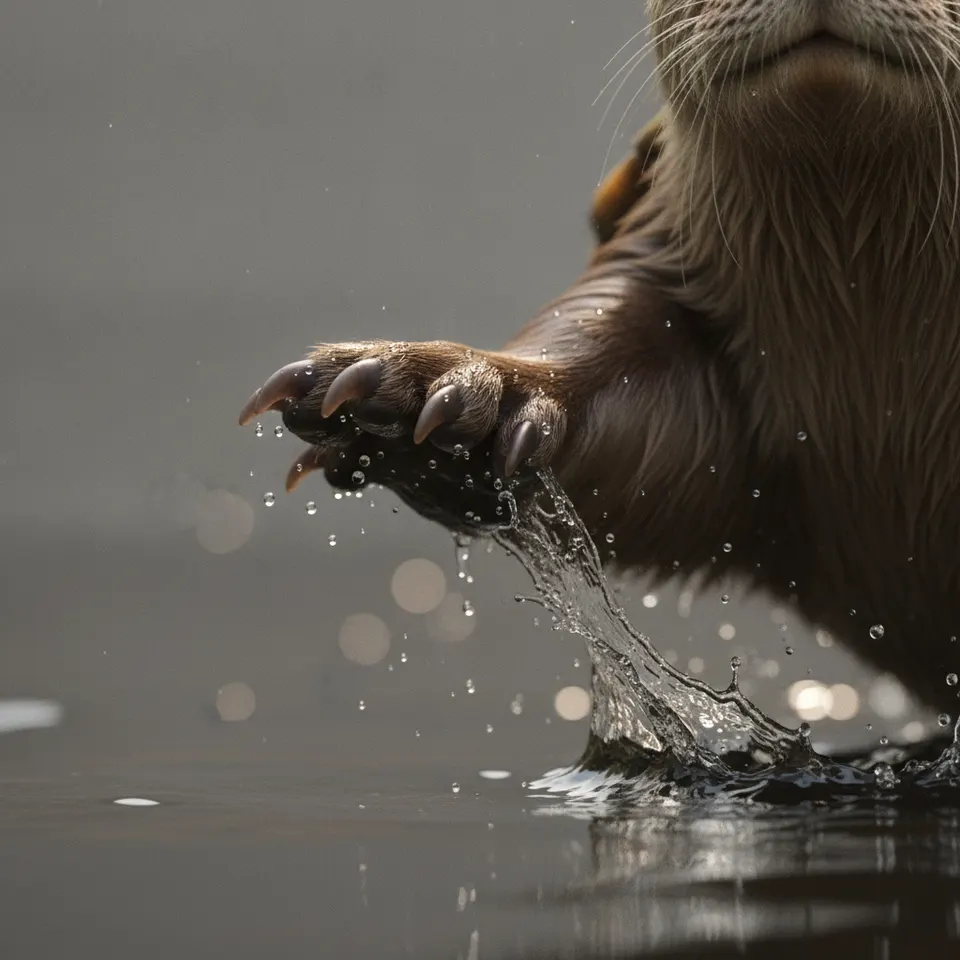
- 🔬 Its shell is remarkably lightweight for its size, an evolutionary adaptation that allows it to remain buoyant and mobile in water.
- 🔬 The Ottortoise communicates using a unique series of low, resonating rumbles and high-pitched chirps that scientists believe are used for territorial marking and mating calls.