Mousquerrel
Sciuromus minimus
Stats

Behavior
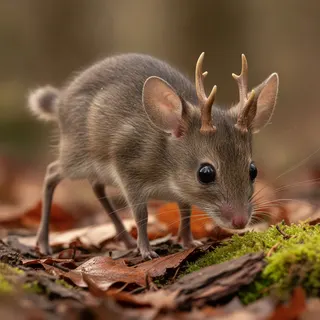
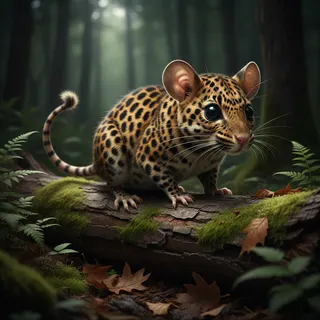
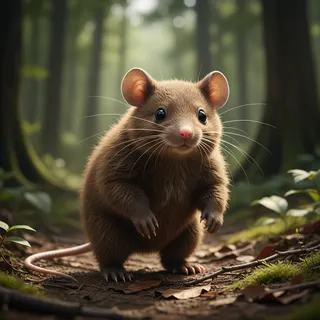
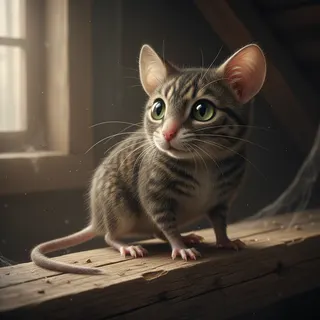
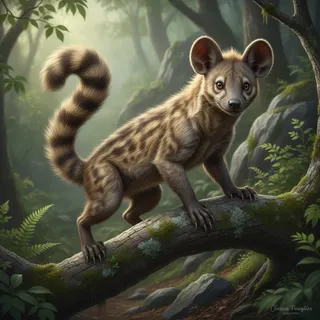
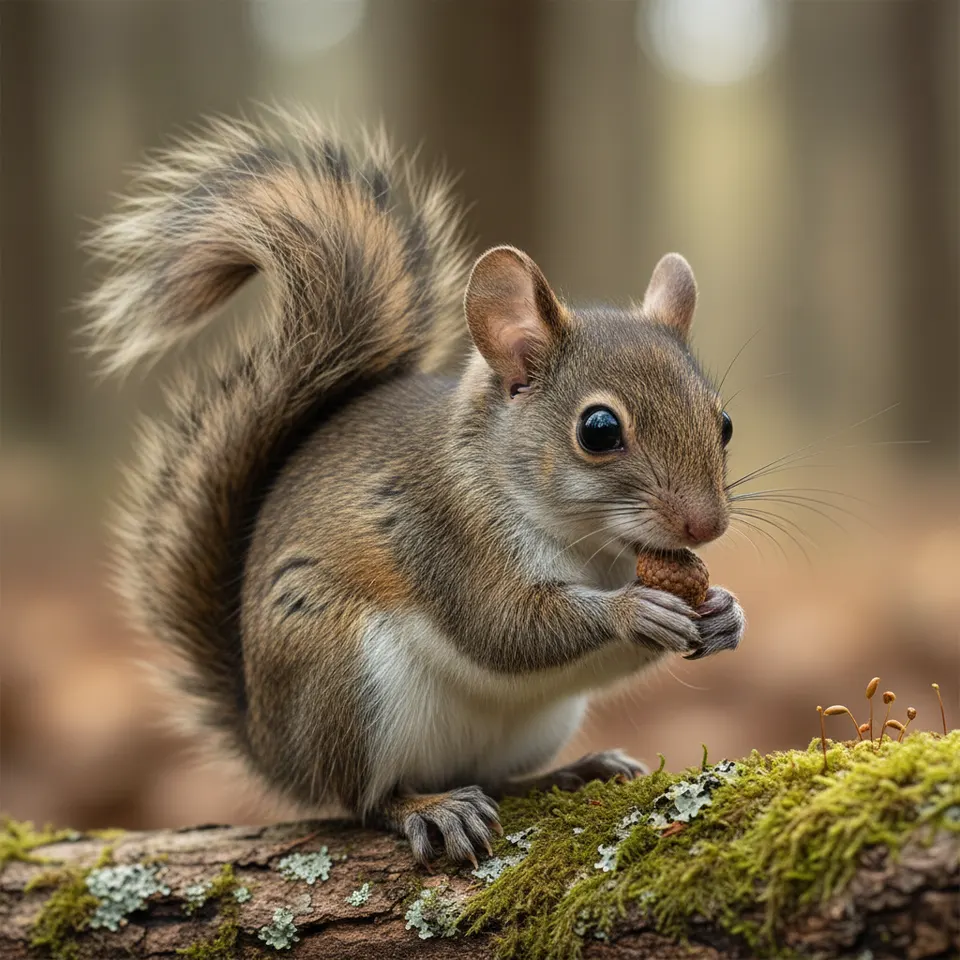
Mousquerrels exhibit a fascinating blend of their parent species' temperaments. They possess the inherent skittishness of a mouse, always on high alert for predators, yet display the bold curiosity of a squirrel when foraging for food. They are semi-social, often forming small family units that share a territory, communicating through a series of high-pitched chirps, squeaks, and soft chattering sounds. During the day, they are most active at dawn and dusk, tirelessly searching for sustenance and meticulously storing provisions.

While adept climbers like squirrels, Mousquerrels prefer to forage primarily on the forest floor or in low-lying shrubs and bushes, only ascending trees for quick escapes or to access particularly tempting nut caches. They construct intricate burrow systems underground or utilize abandoned bird nests and small cavities in trees, lining them with soft plant material. Their movements are a characteristic blur of darting mouse-like sprints punctuated by sudden, alert freezes.
Fun Facts
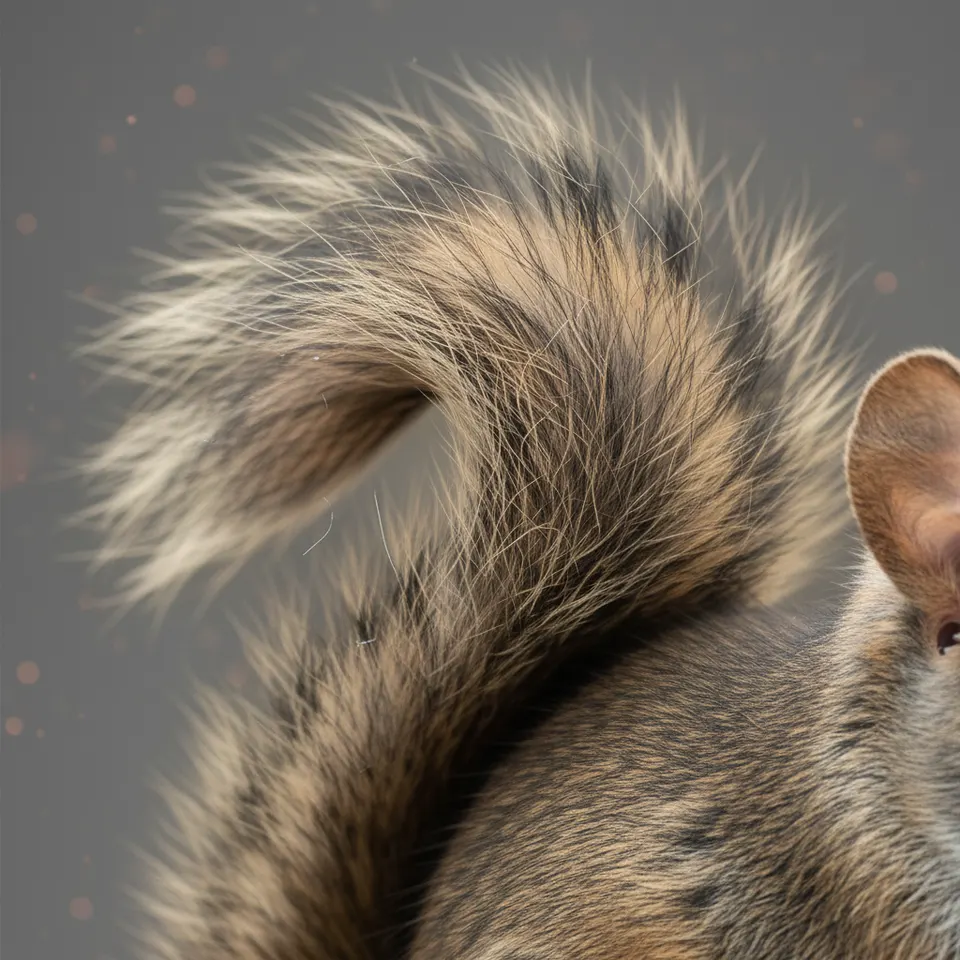
- 🔬 Their tail is a marvel: while not as profusely bushy as a full squirrel's, it's significantly furrier than a mouse's and highly agile, used for balance during climbs and as a subtle communication tool within their family groups.
- 🔬 Mousquerrels are notorious hoarders, possessing slightly enlarged cheek pouches that allow them to carry multiple seeds or small berries back to their hidden caches, often burying them in shallow holes much like a squirrel.
- 🔬 Their whiskers are remarkably long and sensitive, proportionally larger than either parent, allowing them to navigate complex environments in near-darkness and detect subtle changes in air currents, hinting at approaching dangers.