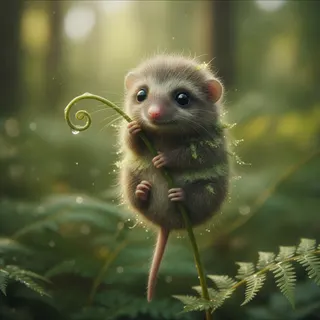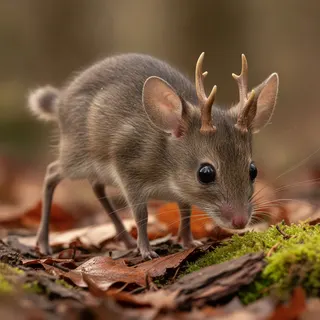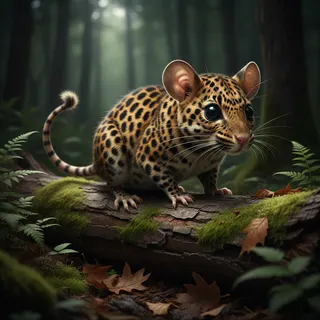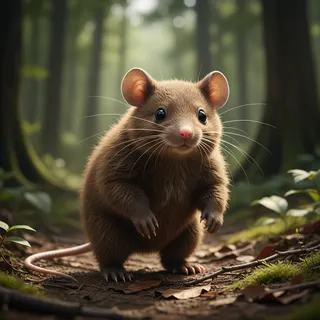
Rattikin
Muris rattinus
Stats

Behavior
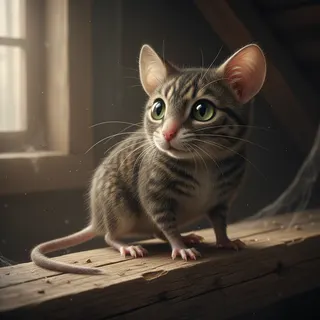
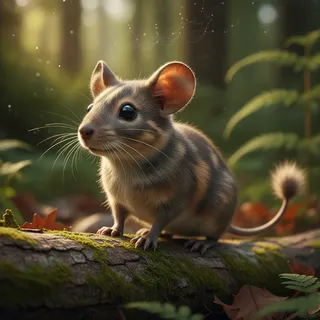
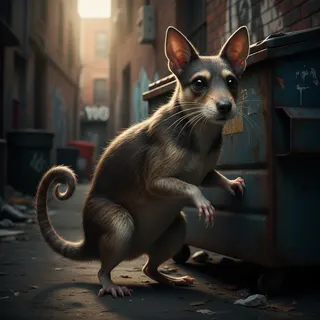
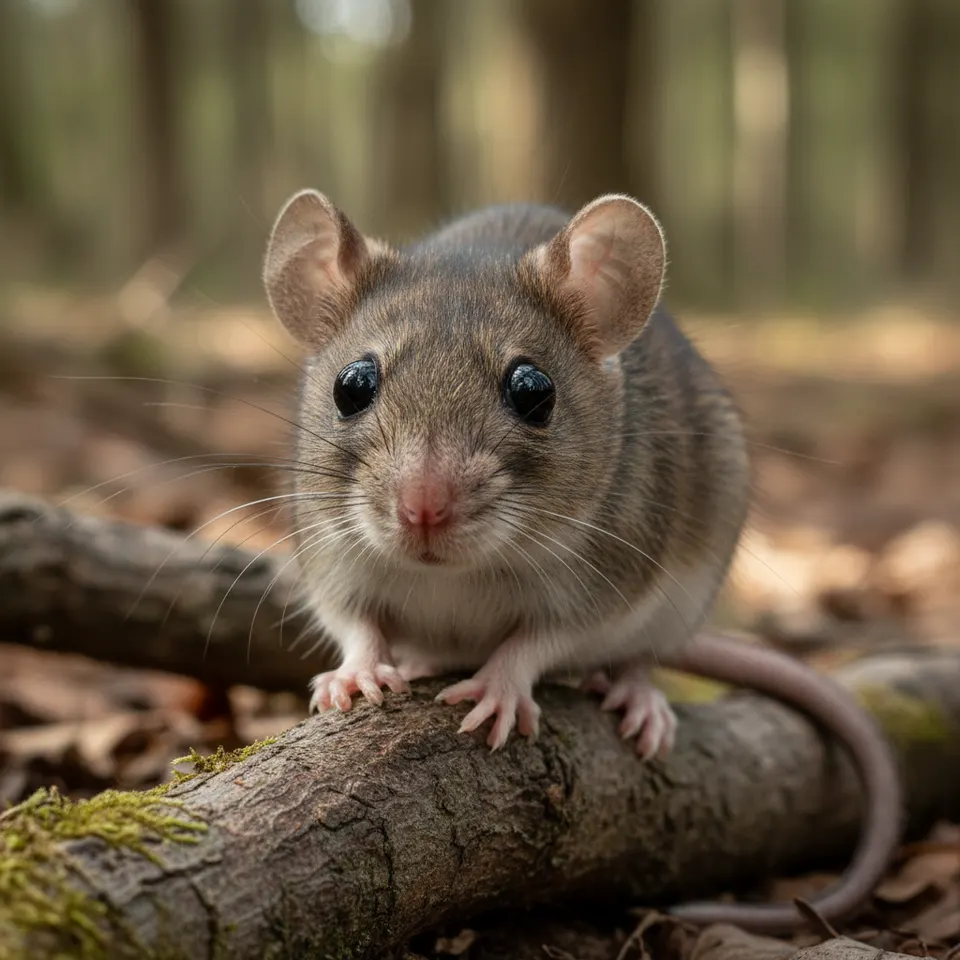
Rattikins inherit the cautious curiosity of mice and the remarkable adaptability of rats. They are primarily nocturnal, often found in small, close-knit colonies, but can be observed foraging during twilight hours when food is scarce. Highly intelligent, they are capable of learning complex mazes and problem-solving, frequently collaborating within their colonies to discover food sources or evade predators.
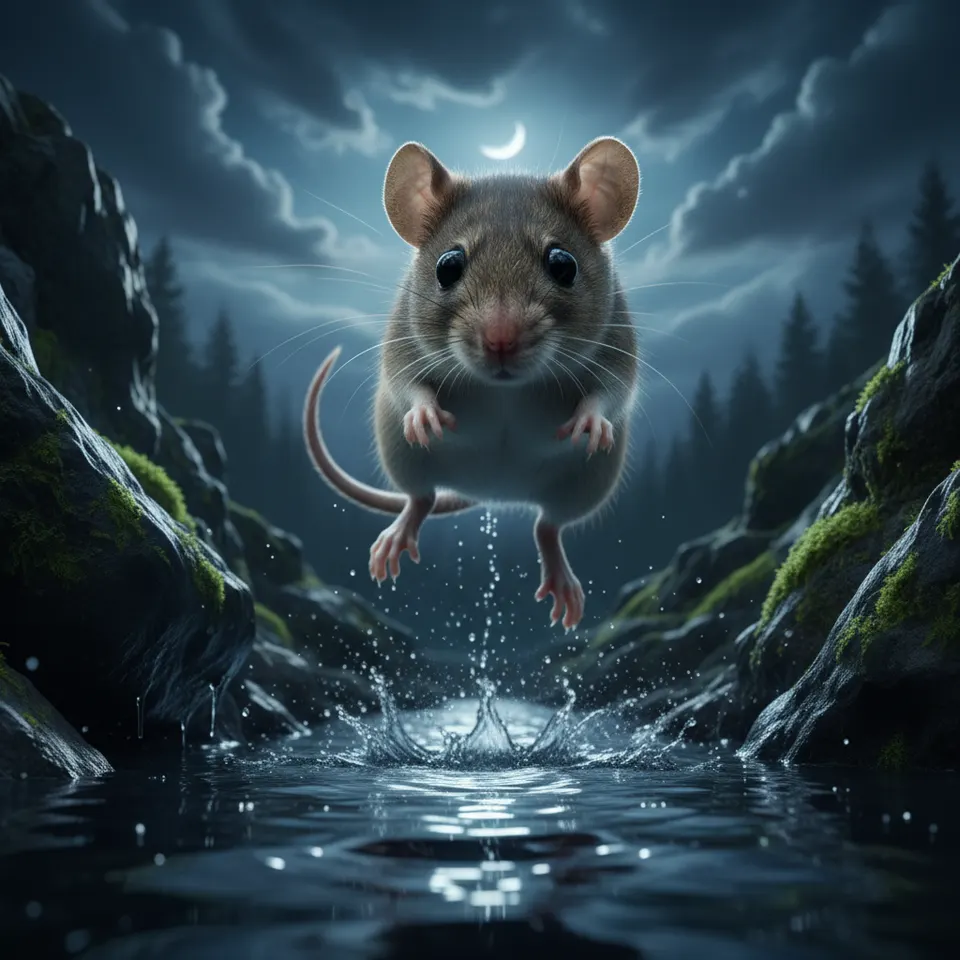
These elusive creatures prefer secluded, sheltered environments such as wall voids, burrows under foundations, or dense undergrowth in forested areas. Despite their often-grimy surroundings, Rattikins are meticulous groomers and maintain remarkably clean nests. Unlike pure rats, they tend to be slightly more skittish and prone to fleeing rather than confronting threats, a trait distinctly inherited from their mouse lineage.
Fun Facts
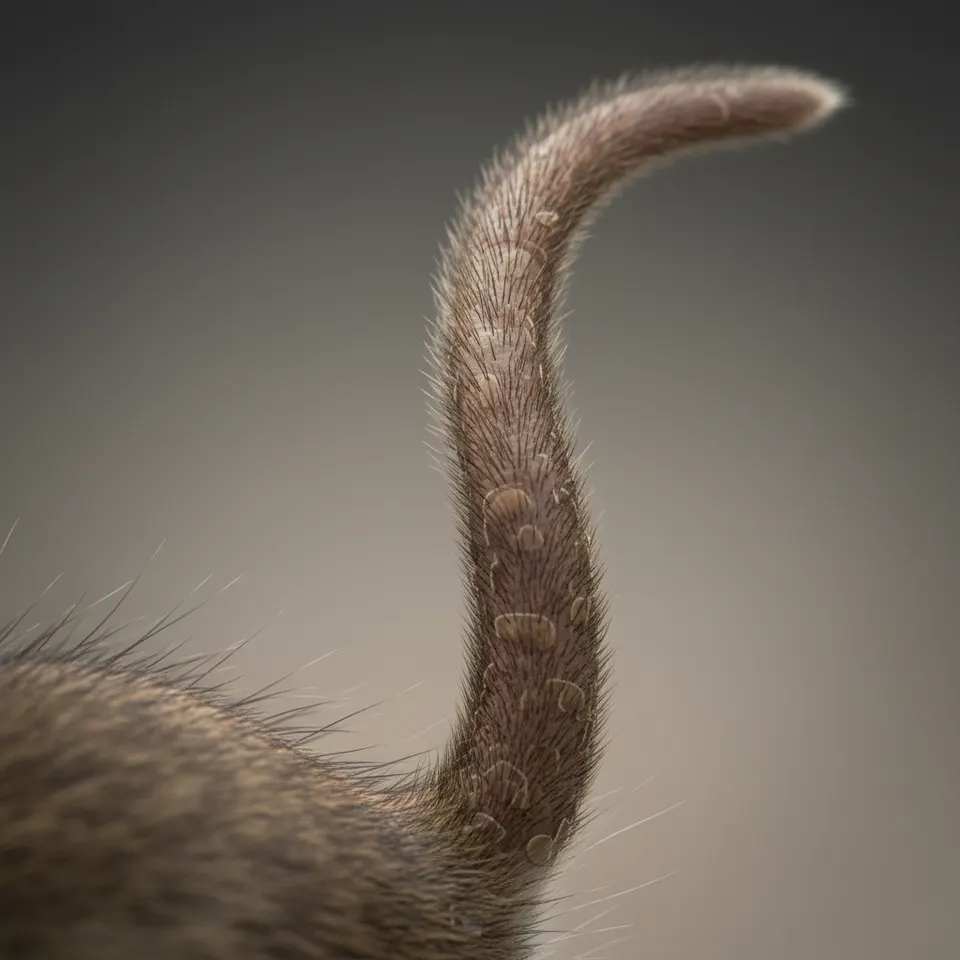
- 🔬 Rattikins possess tails that are proportionally shorter and less scaly than a typical rat's, yet noticeably thicker and more robust than a mouse's.
- 🔬 They communicate through a complex series of ultrasonic chirps, high-pitched squeaks, and intricate body language, often 'chattering' their teeth when excited or agitated.
- 🔬 Their exceptionally sensitive whiskers allow them to navigate in complete darkness and detect minute changes in air currents, serving as a sophisticated sensory array.