Tapstork
Ciconia xyloperca
Stats

Behavior
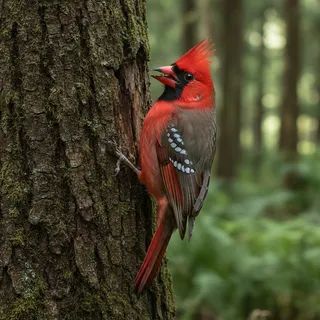
The Tapstork is a fascinating creature of habit, combining the arboreal foraging techniques of a woodpecker with the aquatic hunting prowess of a stork. It uses its incredibly strong, elongated chisel-bill to tap and drill into waterlogged tree trunks and mangrove roots, excavating beetle larvae, wood-boring grubs, and even small crustaceans hidden within. Its long, barbed tongue is a marvel of adaptation, capable of extracting prey from deep crevices or spearing small, quick-moving fish in the shallows.

During the breeding season, Tapstorks are known to be monogamous, forming pairs that work together to excavate massive nest cavities in the largest, oldest trees within their territory, often lining them with soft moss and mud. They communicate through a unique blend of powerful, resonant drumming against hollow trees and the characteristic bill-clattering of storks. While generally solitary, they are not overly territorial outside of nesting, preferring to forage individually within established ranges.
Fun Facts
- 🔬 The Tapstork's tongue can extend up to 15 inches, featuring a barbed tip and sticky secretions, making it incredibly effective for both insect extraction and spearing aquatic prey.

- 🔬 Its rhythmic drumming can be heard for miles through dense, humid forest, serving as a territorial warning, a declaration of health, and a key component of courtship displays.
- 🔬 Unlike most storks, the Tapstork possesses zygodactyl feet (two toes forward, two backward) with powerful talons, allowing it to grip vertically onto tree trunks with surprising agility despite its large size.