
Flutterpecker
Picus lepidopterus arborum
Stats

Behavior
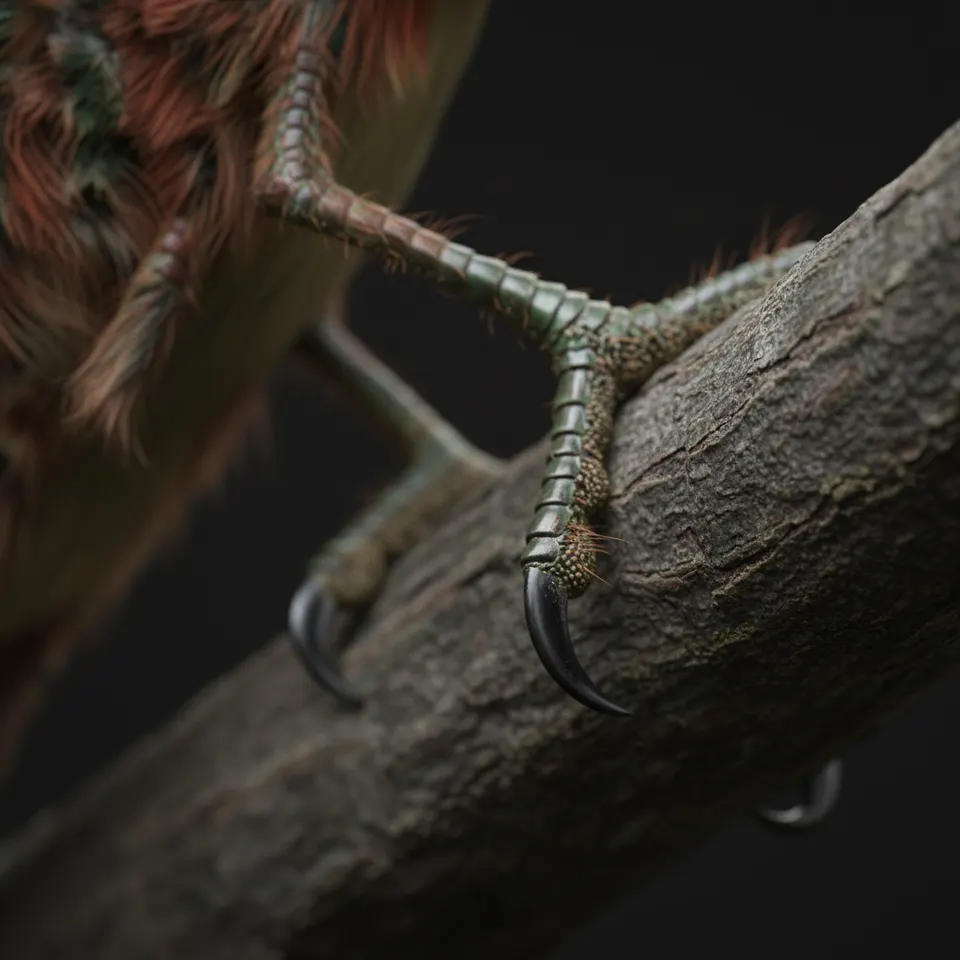
The Flutterpecker exhibits a unique blend of its parent species' behaviors. During the day, it can be seen flitting gracefully between flowering trees and shrubs, probing blossoms with its proboscis-like tongue for nectar and sap. However, its primary food source comes from carefully tapping on tree bark with its sturdy, short beak, listening for the tell-tale signs of wood-boring insects. Once located, it uses its beak to chisel into the wood, extracting larvae with its specialized, barbed tongue.

Unlike most butterflies, Flutterpeckers are territorial, especially during mating season, where males perform elaborate aerial displays and rhythmic drumming on resonant branches to attract mates. They build small, silk-lined cavities within decaying trees for nesting, where the female lays a clutch of eggs that resemble small, patterned seeds. The larval stage, often called a 'Woodworm-Caterpillar,' possesses tiny chitinous mandibles for initial wood-boring before pupating into their winged adult form.
Fun Facts
- 🔬 The drumming sound of a male Flutterpecker varies in pitch and rhythm, communicating both territorial claims and mating interest to rivals and potential mates.
- 🔬 Its wings, while structurally similar to a butterfly's, have a surprising resilience, able to withstand minor impacts from branches during its woodpecker-like foraging maneuvers.
- 🔬 The Flutterpecker's 'proboscis' is actually a highly flexible, extendable tongue with a brush-like tip for nectar collection and a barbed hook deeper inside for extracting insects.