Doridox
Boviscara coleoptrida
Stats

Behavior
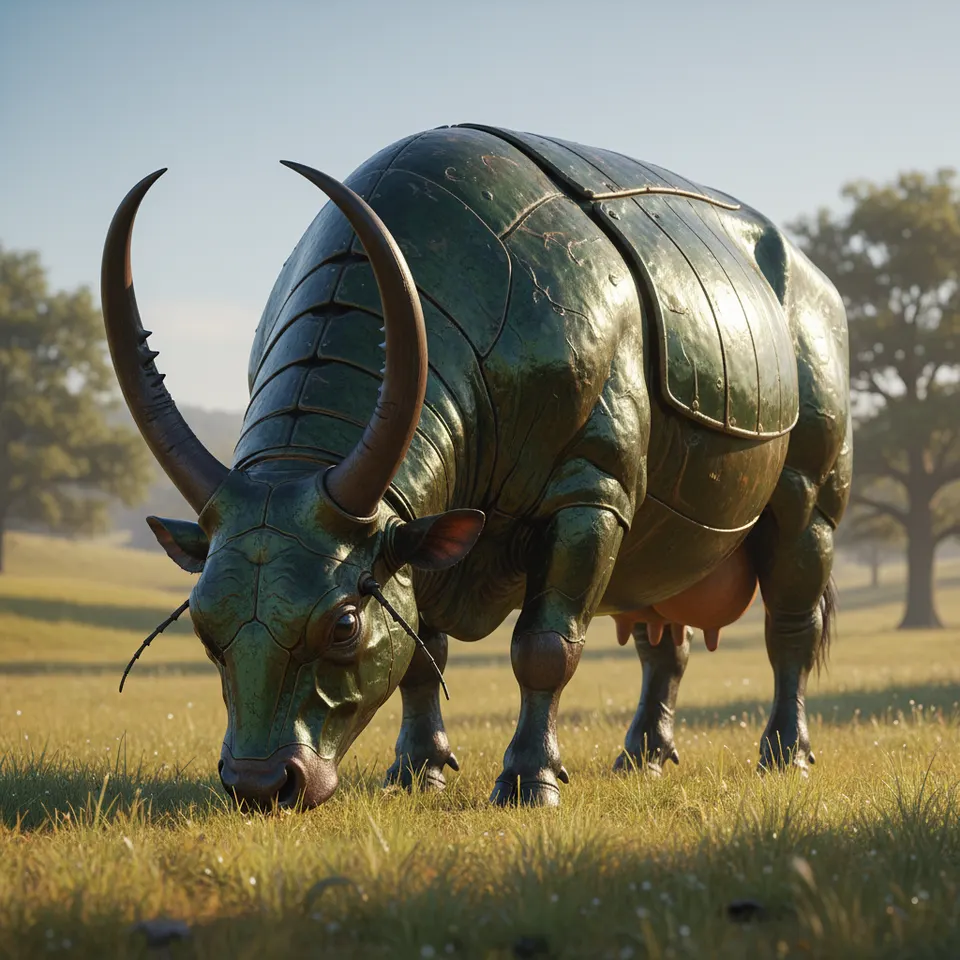
Doridox are generally solitary grazers, preferring the quiet solitude of vast grasslands, but have been observed congregating in small herds of up to five individuals during mating season or when migrating to new pastures. Despite their imposing size, they are surprisingly agile and can exhibit sudden bursts of speed when threatened, using their powerful legs to outrun most predators. They are primarily nocturnal, using their highly sensitive antennae and compound eyes to navigate and locate nutrient-rich grasses and sap-rich trees in the dark.
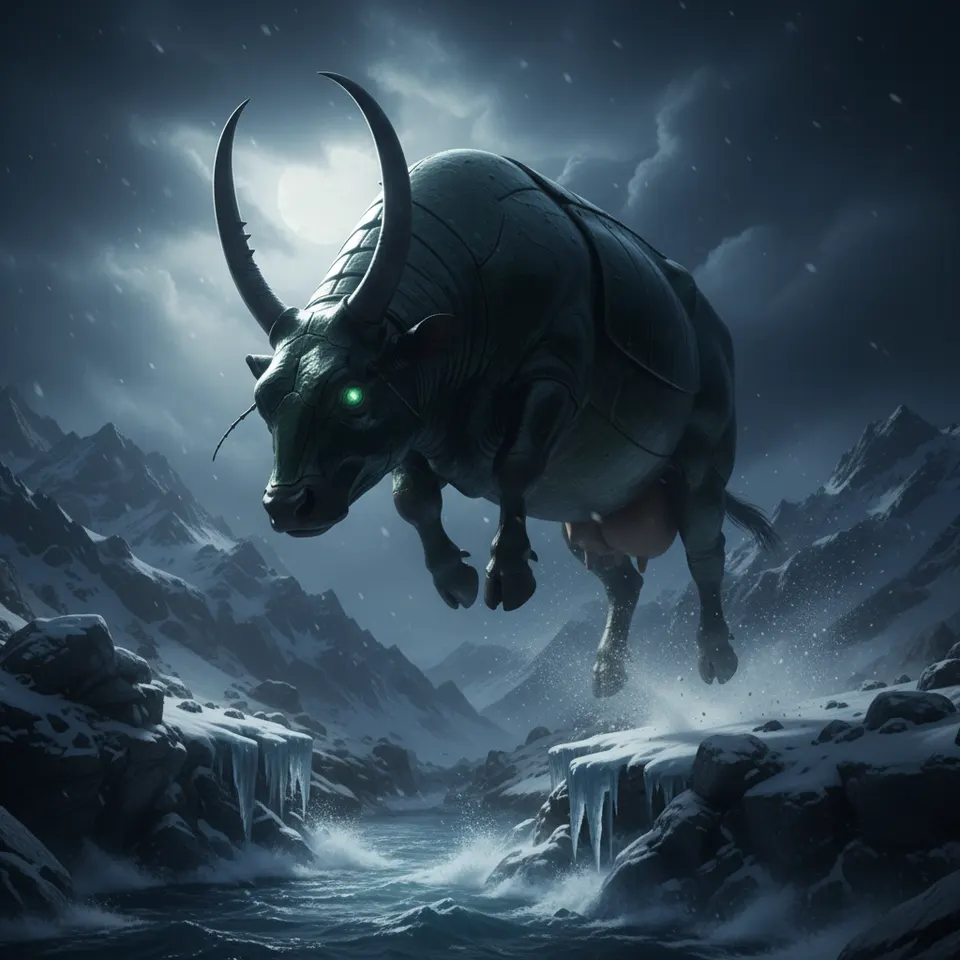
During the day, Doridox often burrow partially into soft soil or rest under the dense canopies of forest fringes, relying on their incredibly tough, iridescent carapace for camouflage and protection from both predators and the elements. They communicate through a complex series of low-frequency rumbling sounds, often accompanied by the unique 'chirping' sound produced by rubbing their hardened elytra together, a form of stridulation used for alarm calls or mating displays.
Fun Facts
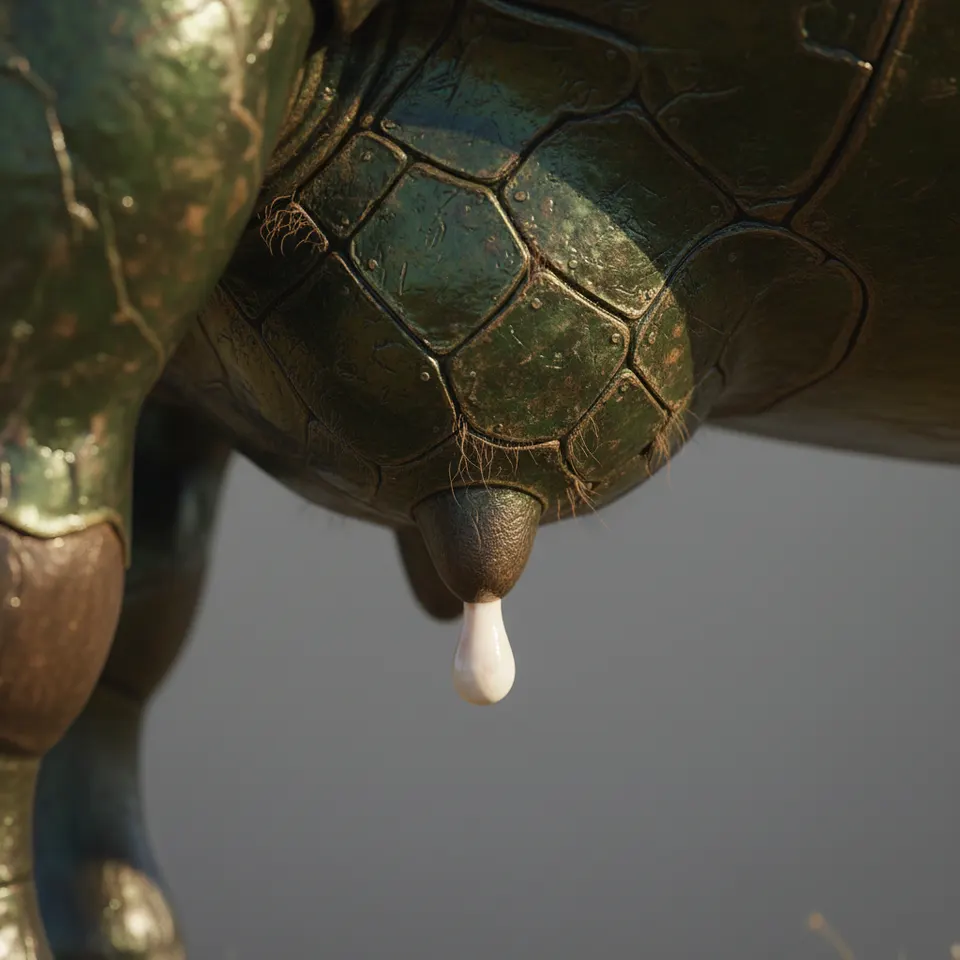
- 🔬 The Doridox's milk is exceptionally rich and thick, often described as having an earthy, slightly nutty flavor, and is highly prized in traditional medicine for its purported restorative properties.
- 🔬 The prominent 'horns' on a Doridox's head are actually powerful chitinous mandibles, more akin to those of a stag beetle, which they use primarily for digging up roots, sparring with rivals, and occasionally for defense, rather than direct combat like a bull's horns.
- 🔬 Juvenile Doridox, known as 'Grublings', spend their first year entirely underground, feeding on decaying roots and fungi before emerging with their fully hardened exoskeleton and entering their terrestrial grazing phase.