Vulpilepus
Lagovulpus cuniculus
Stats

Behavior
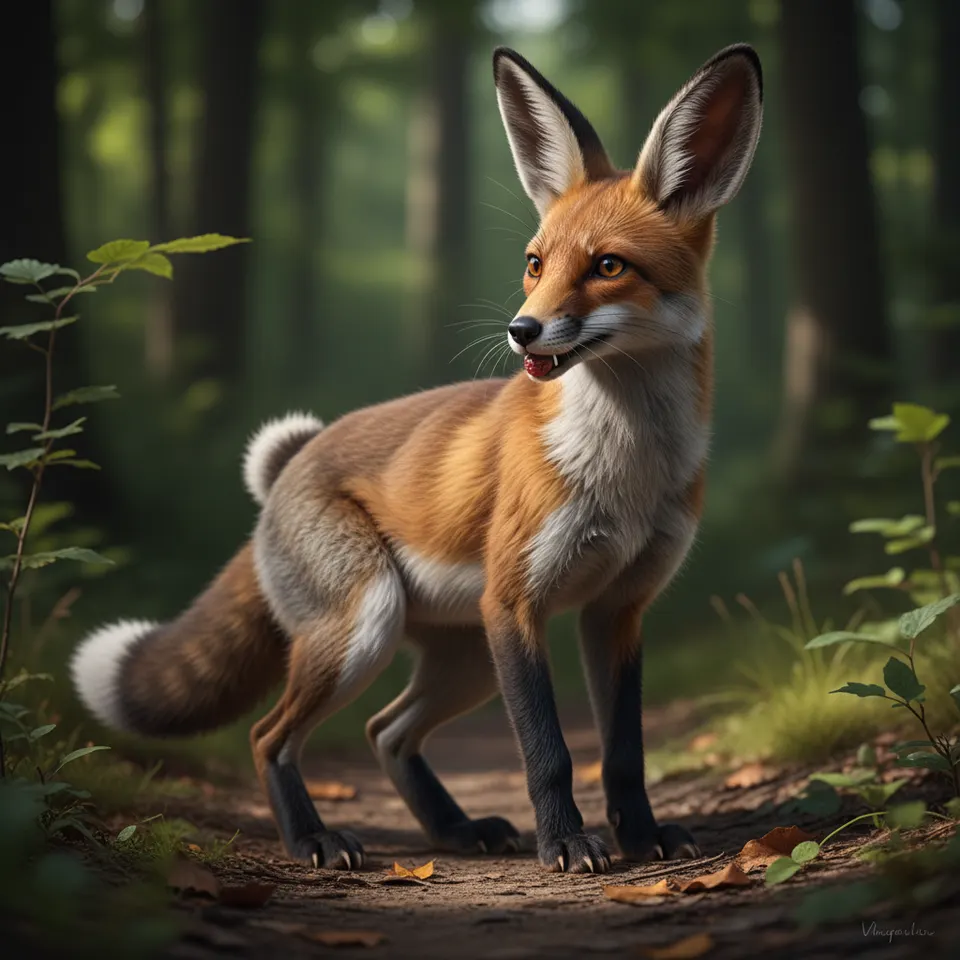
Vulpilepus are known for their paradoxical blend of cautious skittishness and bold curiosity. They are primarily crepuscular, active during dawn and dusk, though they can be seen foraging nocturnally. Unlike typical foxes, they often live in small, loose familial groups called 'warrens' for safety, but typically forage independently. They communicate through a series of thumps, chitters, and low barks, with an exceptionally broad vocal range.

Their fox-like intelligence allows them to construct elaborate, multi-chambered burrows with multiple escape routes, similar to rabbit warrens but often more strategically placed and concealed within dense undergrowth. They are incredibly agile, capable of quick, erratic hops and surprising bursts of speed when startled, often zigzagging to evade predators. They mark their territory with scent glands, a behavior inherited from their vulpine lineage, but also perform intricate 'binky' jumps when particularly content or playful, a clear nod to their lagomorph ancestry.
Fun Facts
- 🔬 Vulpilepus young, called 'Kits-buns,' are born blind and helpless but develop their keen sense of smell and hearing with astonishing rapidity, often recognizing their mother's unique scent within hours.
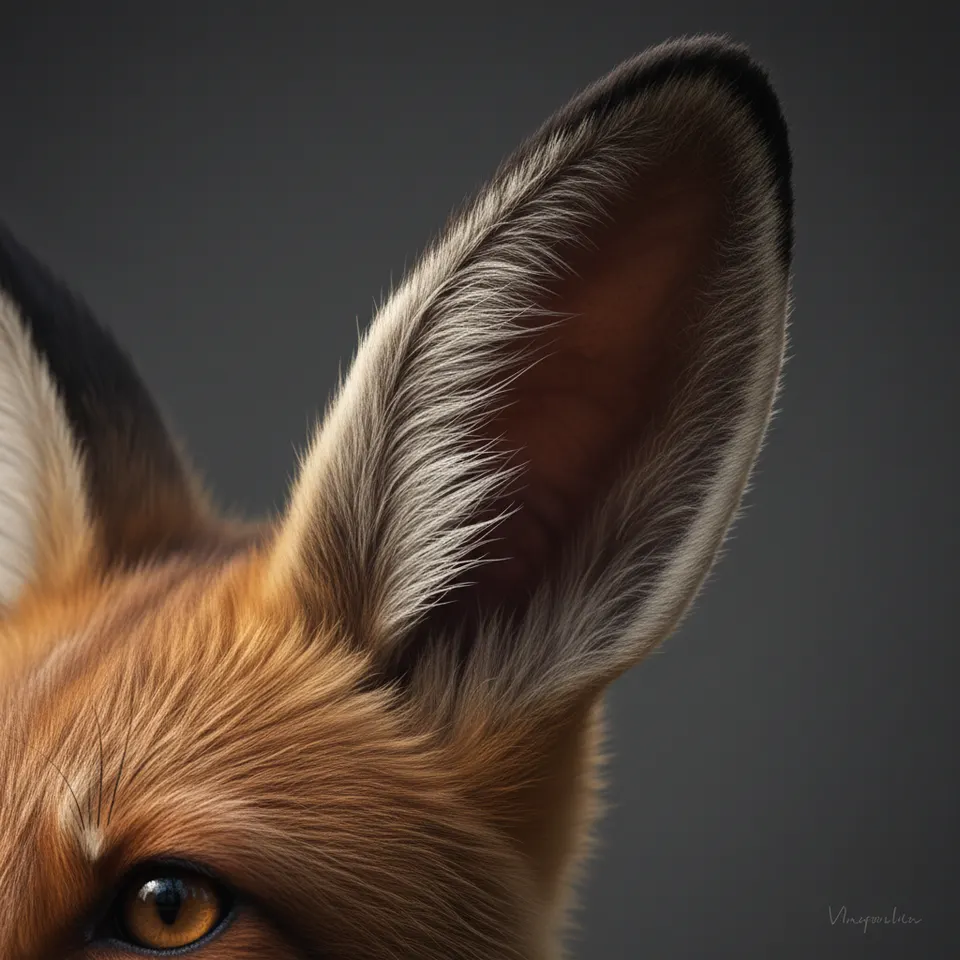
- 🔬 Their fur changes seasonally, growing thicker and lighter in winter for camouflage in snowy environments and becoming sleeker and darker, often with intricate dappling, in summer.
- 🔬 Legend says that seeing a Vulpilepus is a sign of impending change, good or bad, due to their unpredictable nature and their unique ability to blend into both the wild abandon of nature and the subtle cunning of the shadows.