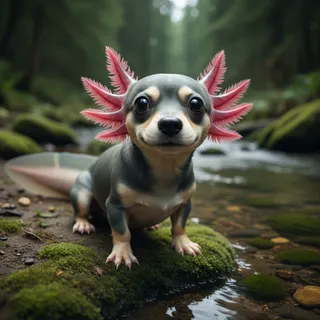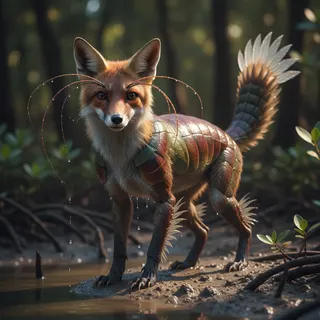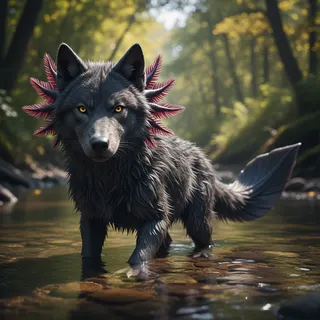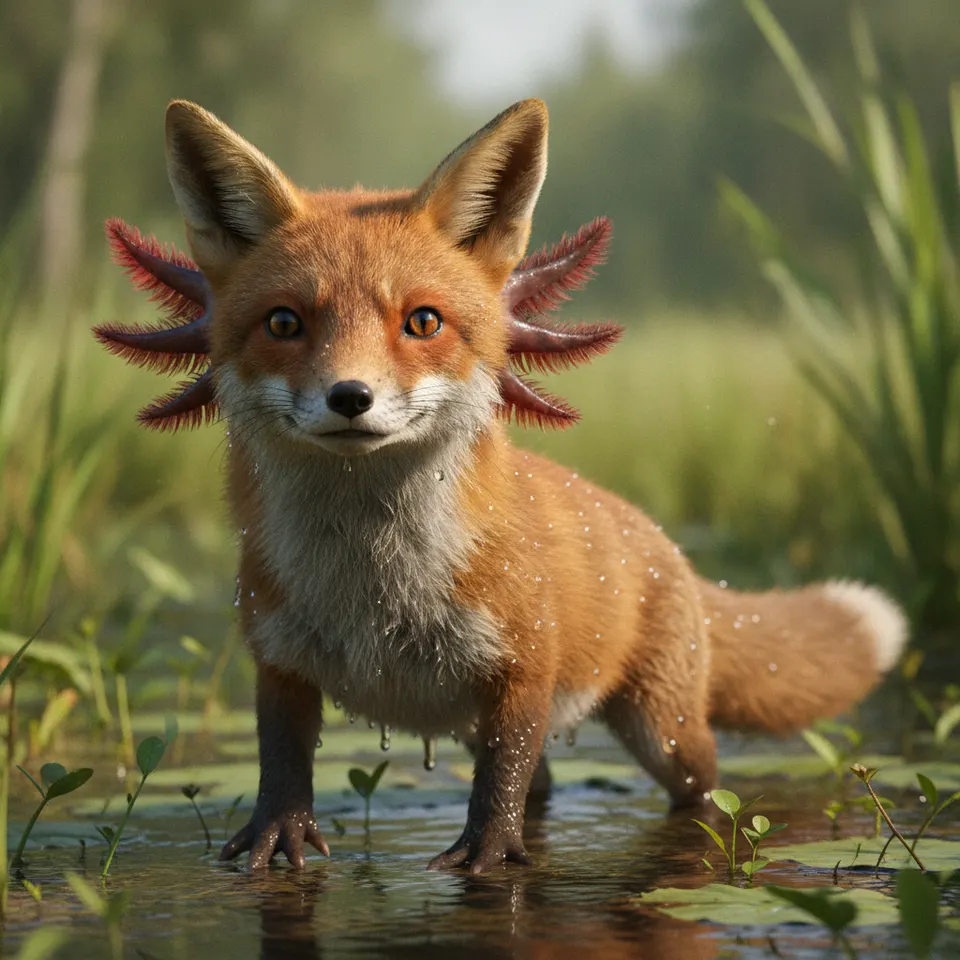
Axovulpe
Ambystoma vulpesaquatica
Stats
Behavior
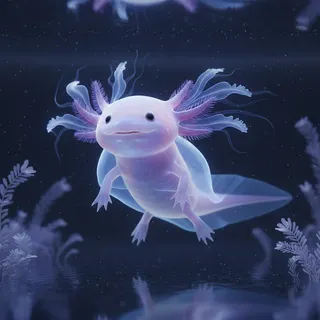
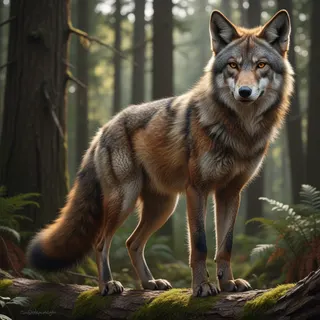
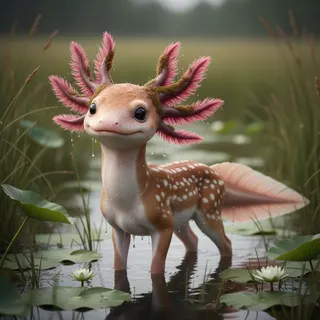
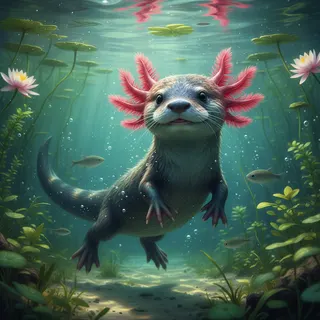
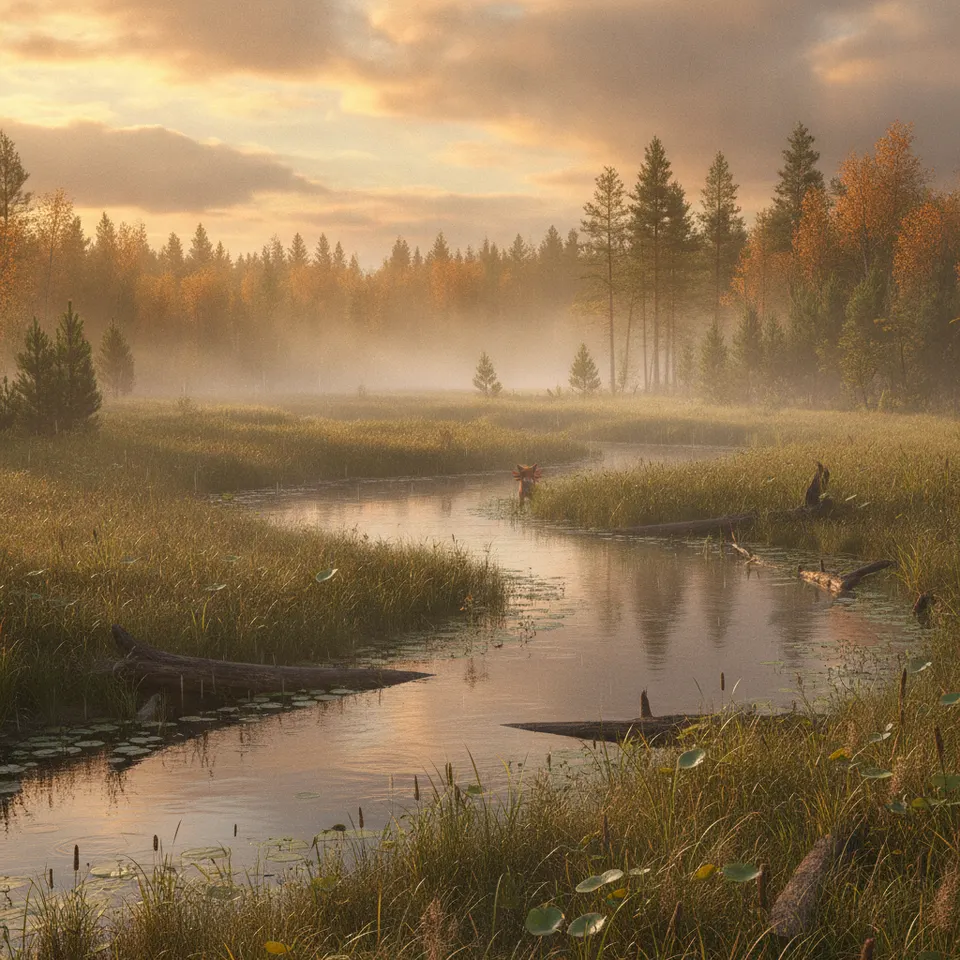
The Axovulpe is a creature of twilight, primarily nocturnal and highly elusive. It possesses an intriguing dual nature, comfortable both in shallow aquatic environments and on damp forest floors. While generally solitary, during mating season, pairs may be observed in secluded wetland areas. Its most remarkable adaptation is its ability to breathe through both a rudimentary set of external gills (like an axolotl) and a developing pair of lungs, allowing it to transition seamlessly between water and land for extended periods, though it always remains close to a water source.
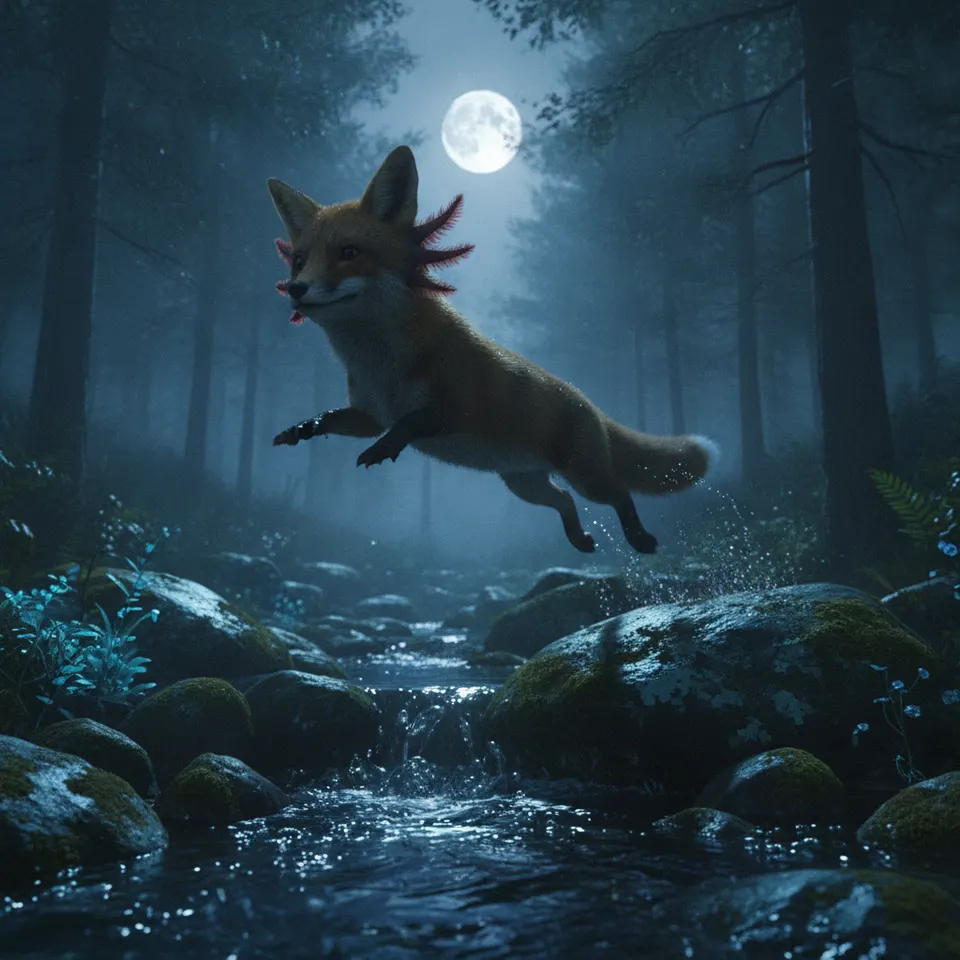
These creatures create small, intricate burrows along the banks of rivers or in the higher ground of marshes, often with underwater entrances to evade predators. They are opportunistic hunters, using their keen sense of smell (from their vulpine lineage) to track prey on land and their excellent low-light vision to navigate murky waters. During the day, they often submerge themselves in cooler waters or rest hidden within dense reeds, their unique coloration providing effective camouflage.
Fun Facts
- 🔬 Neotenic Adaptation: Like its axolotl ancestors, the Axovulpe exhibits neoteny, meaning it retains larval features into adulthood, specifically its prominent external gill structures, which never fully recede.
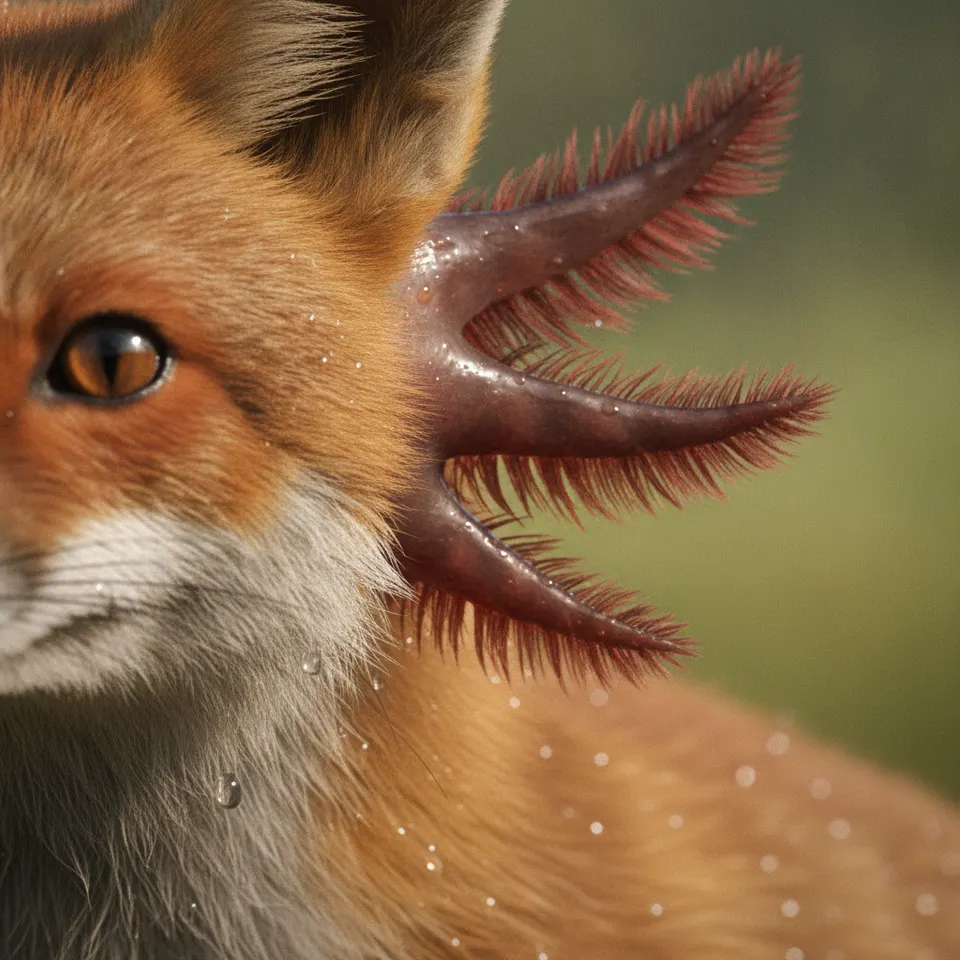
- 🔬 Regenerative Prowess: Should an Axovulpe lose a limb or even a significant portion of its internal organs, it possesses an extraordinary regenerative capacity, capable of regrowing complex body parts with remarkable efficiency and no scarring.
- 🔬 Hydrophilic Fur: Its short, dense fur is uniquely adapted to repel water and maintain insulation, allowing it to stay warm and dry even after extended periods of swimming in cold water, unlike typical terrestrial foxes.