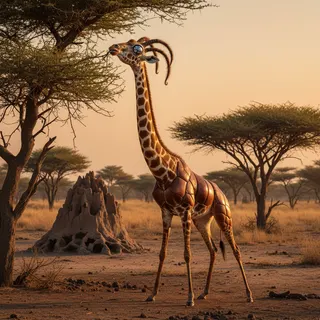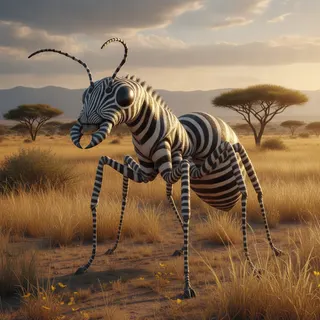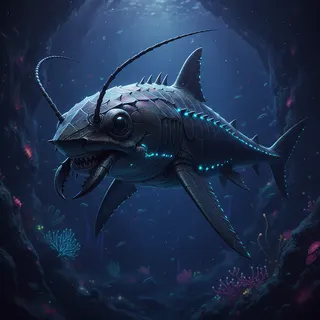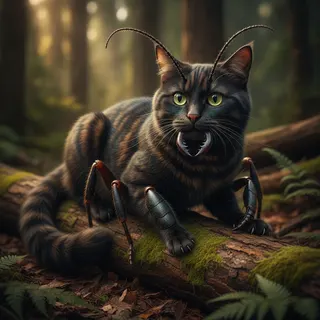
Formantid
Mantiformica legionis
Stats

Behavior
Formantids exhibit a fascinating blend of solitary hunting prowess and highly coordinated group tactics, unlike either parent species. While individuals are capable ambush predators, they communicate through complex pheromone trails and subtle vibrational signals, allowing them to form temporary, highly efficient hunting 'legions' for larger prey or territorial defense. These legions operate with a chilling, almost hive-mind precision, executing flanking maneuvers and coordinated strikes that are rarely seen in other arthropods. They are fiercely territorial and will defend their chosen hunting grounds with extreme aggression.
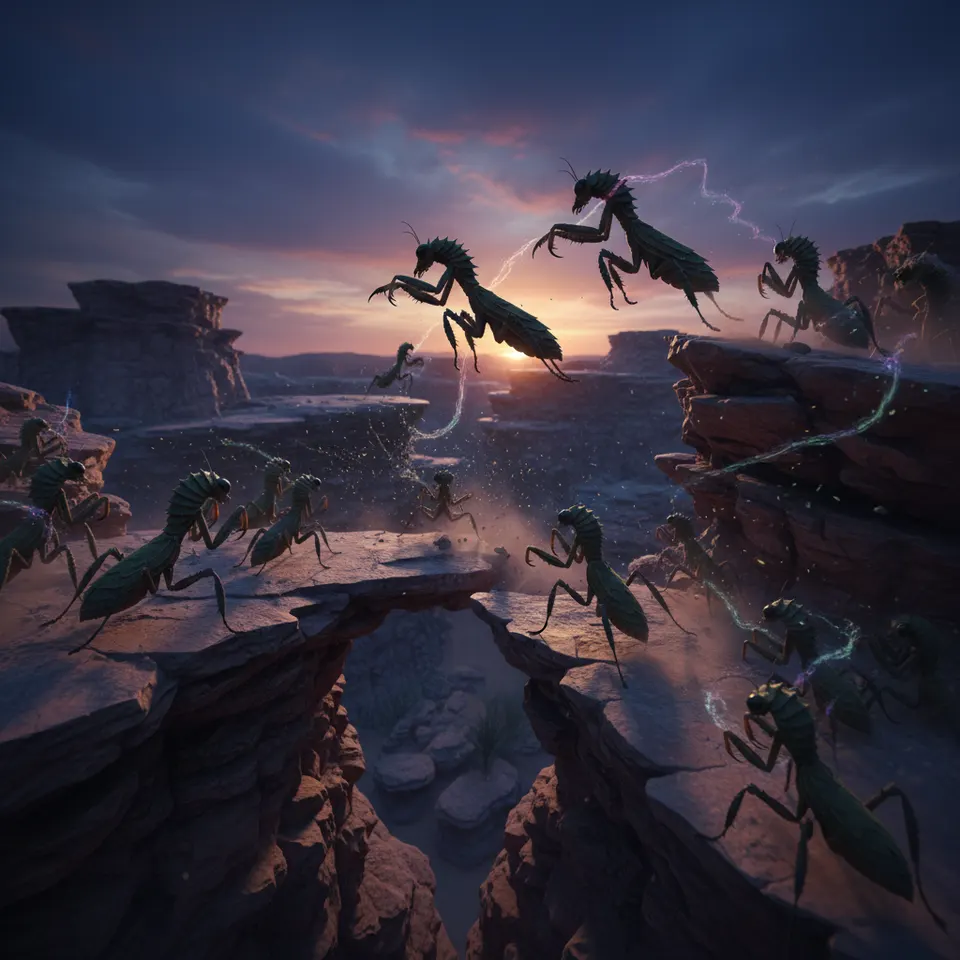
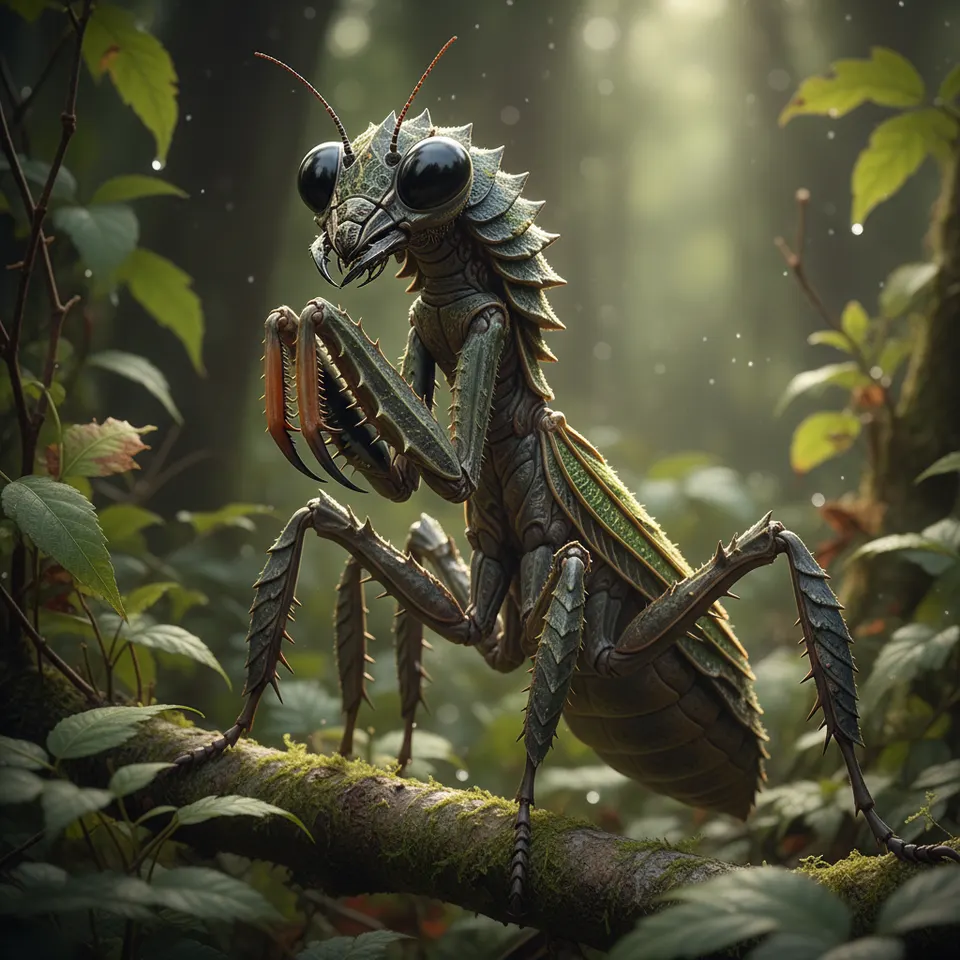
They prefer to establish their camouflaged ambush points within dense foliage or tall grasses, where their earthy coloration provides excellent cover. Formantids are masters of mimicry, often swaying gently like a leaf or a twig, waiting patiently for prey. When not actively hunting in a legion, individuals will create small, temporary burrows or shelters in the soft earth, camouflaged with detritus, where they can rest and digest their meals in safety. Their reproductive cycle involves a larger 'matriarch' (akin to a mantis queen, but not physically bound to a nest) that lays clutches of eggs communally, tended by several adult Formantids.
Fun Facts
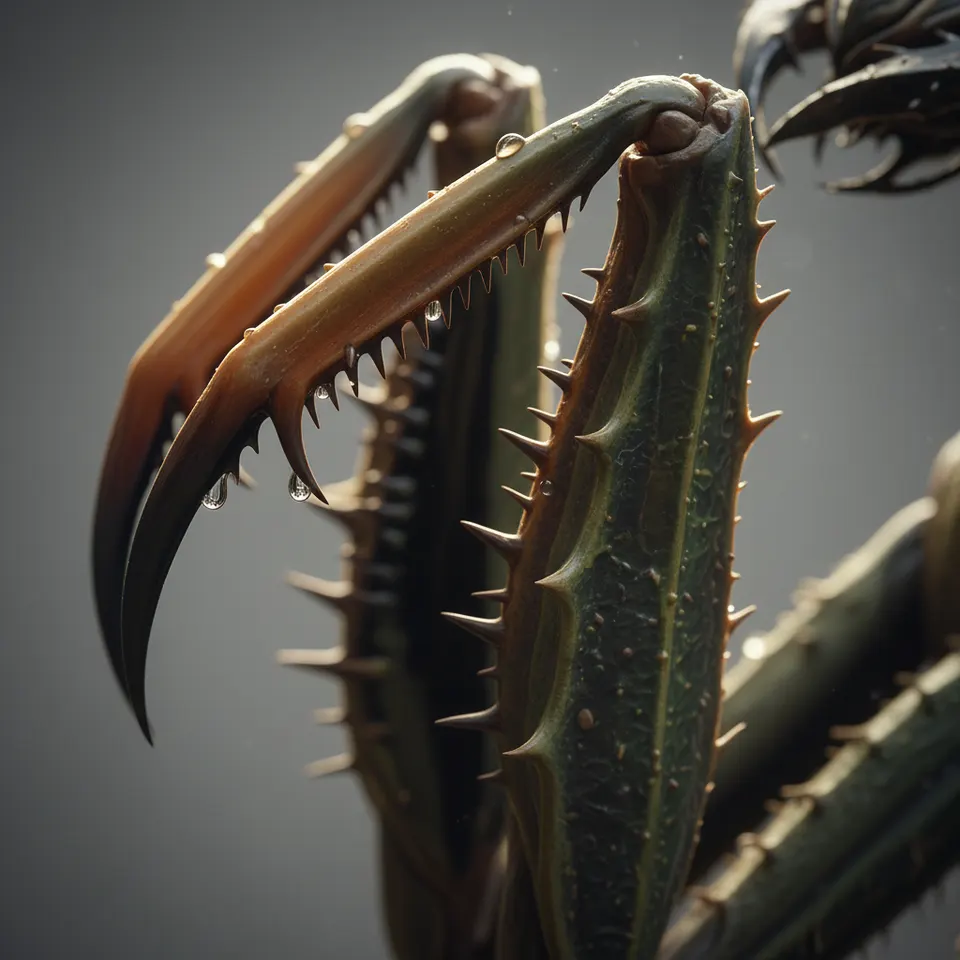
- 🔬 Formantids possess mandibles that combine the crushing strength of a bullet ant with the razor-sharp precision of a praying mantis's raptorial forelegs, allowing them to dismember prey with terrifying efficiency.
- 🔬 Their compound eyes have an incredibly wide field of vision, supplemented by a unique 'ocellar band' (derived from ant ocelli) that detects subtle changes in light and movement, making them almost impossible to sneak up on.
- 🔬 Despite their predatory nature, Formantids engage in complex 'trophic dances' where they share resources within their temporary legions, especially after a successful large hunt, ensuring all members are fed.