Formislug
Limaciformica terramysteria
Stats
Behavior
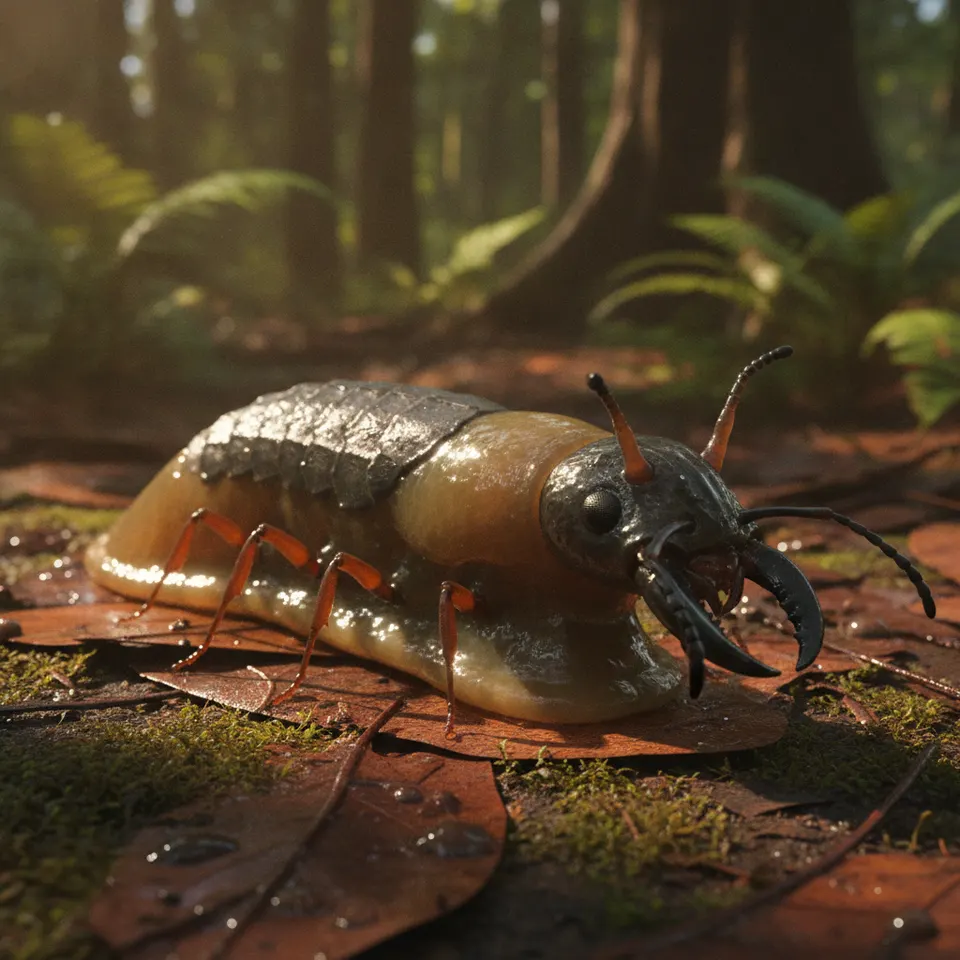
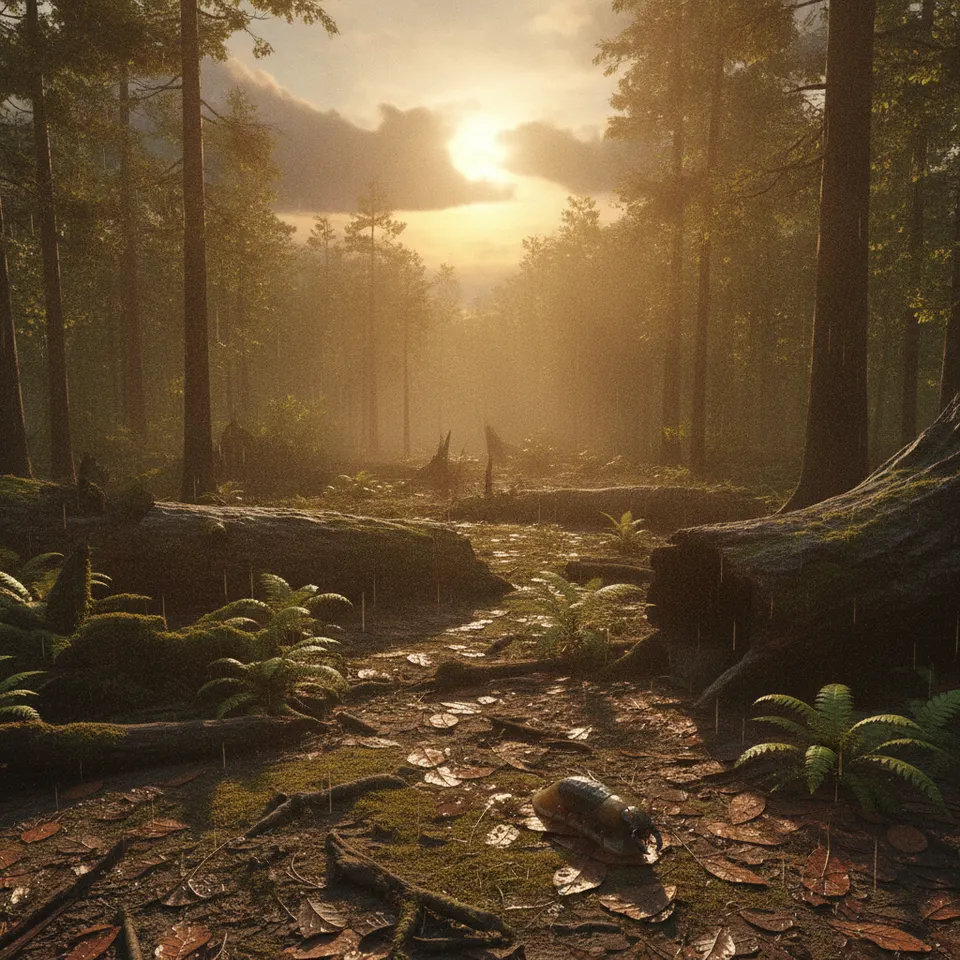
Formislugs are fascinatingly complex creatures, exhibiting a unique blend of solitary slug-like foraging and rudimentary ant-like social signaling. While they do not form complex colonies, individuals often follow chemical slime trails left by others of their kind, leading to temporary aggregations around rich food sources. Their movement is a slow, undulating glide powered by a muscular foot, augmented by six stubby, chitin-plated legs that provide additional grip and allow for short bursts of scuttling when threatened.
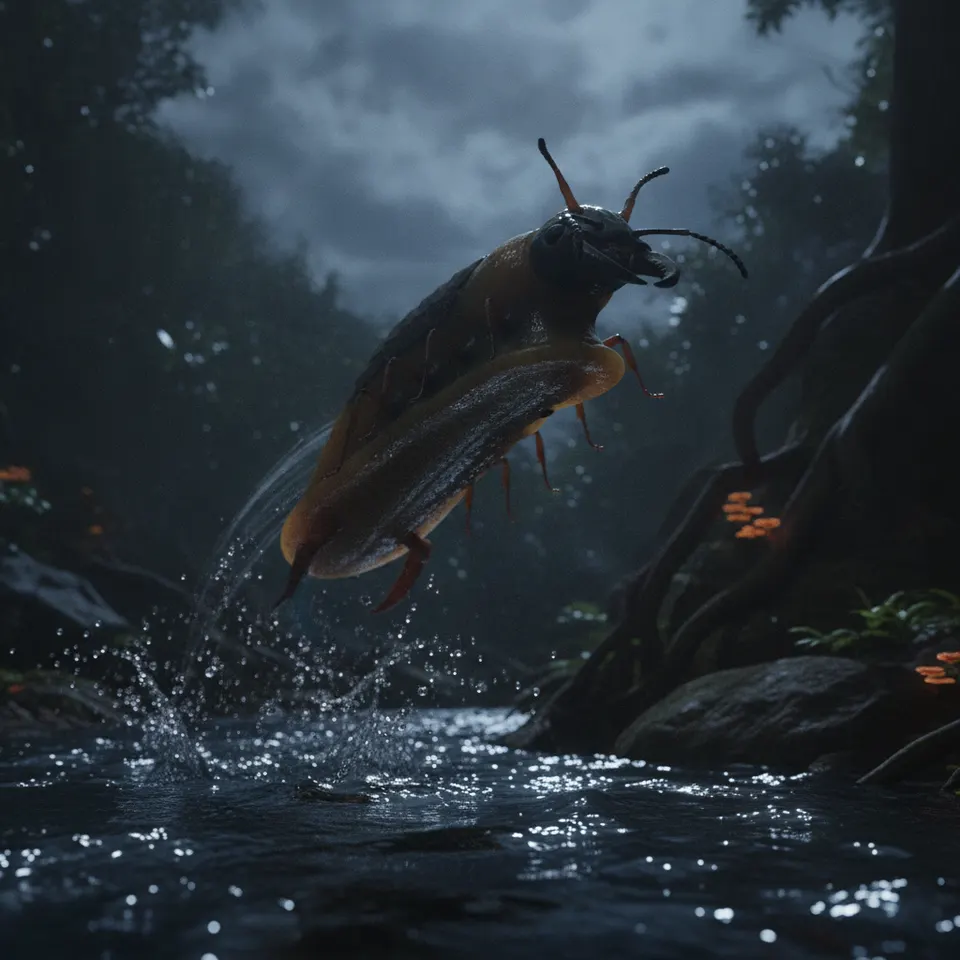
These peculiar hybrids thrive in damp, dark environments where moisture is abundant. They are primarily nocturnal, emerging from their burrows at dusk to feed on decomposing organic matter, fungi, and occasionally small insect larvae. During the day, they retreat into self-excavated tunnels or hide beneath leaf litter, protecting their soft bodies from desiccation. Their dual sensory organs—retractable slug-like eyestalks and sensitive ant-like antennae—allow them to navigate and detect food sources with impressive efficiency in their dim world.
Fun Facts
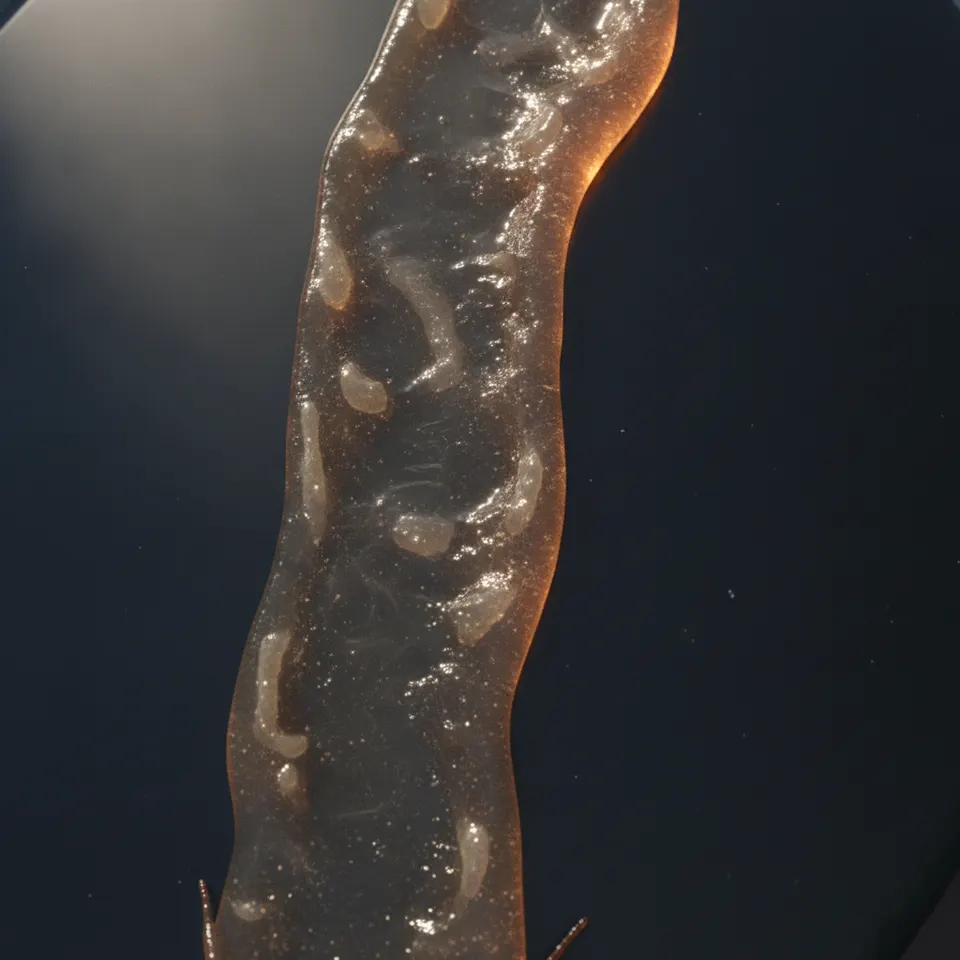
- 🔬 A Formislug's slime trail contains complex pheromones, allowing them to communicate simple warnings or food source locations to other Formislugs.
- 🔬 Despite their soft, slug-like bodies, Formislugs possess surprisingly strong, ant-like mandibles capable of crushing tough fungi and even small beetle shells.
- 🔬 When severely startled, a Formislug can rapidly secrete a thick, sticky, and foul-smelling slime from specialized glands, designed to deter predators.