Formicrab
Myrmecocarcinus bellator
Stats

Behavior
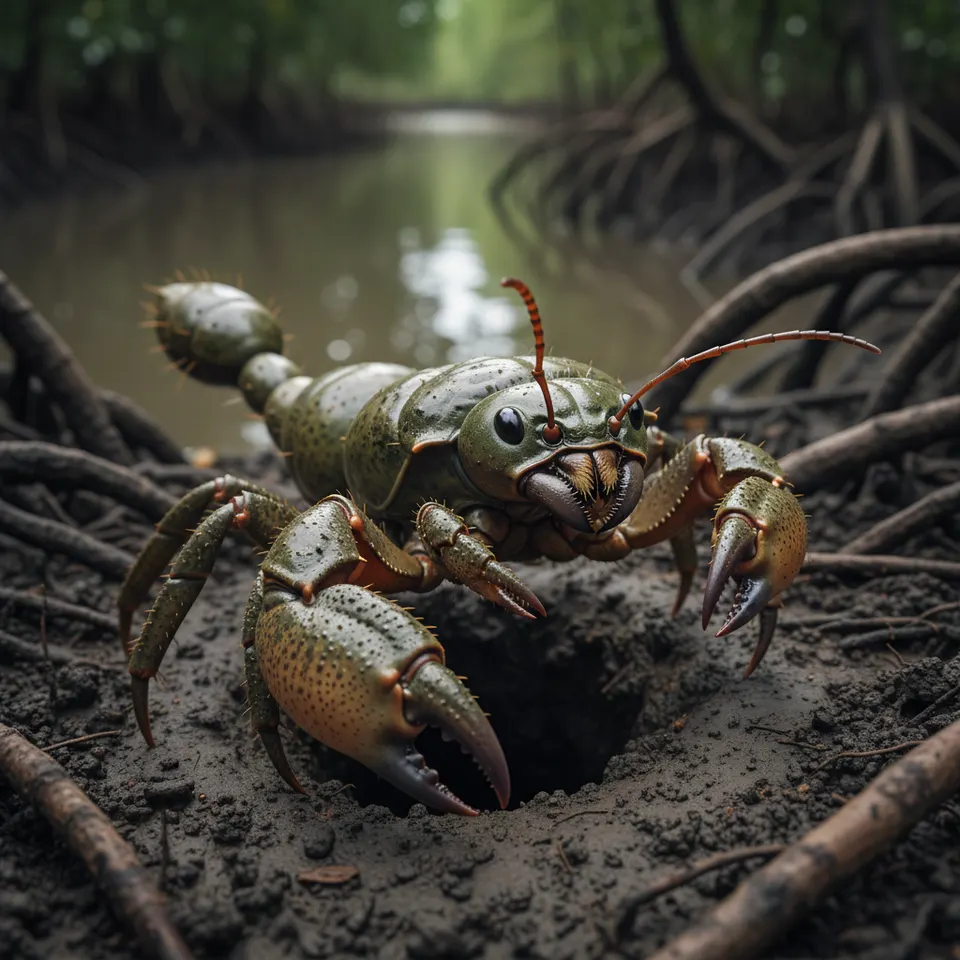
The Formicrab lives in complex colonies, much like its ant relatives, but with a unique twist: a single, colossal 'Queen Carapace' reigns, her hardened shell acting as the central hub of the colony's underground network. Workers, equipped with powerful pincers, are adept at both excavating vast tunnel systems and defending their territory with surprising aggression. They communicate through a combination of pheromones, which they release from glands on their abdomen, and intricate clicking sounds produced by rubbing parts of their pincers together.
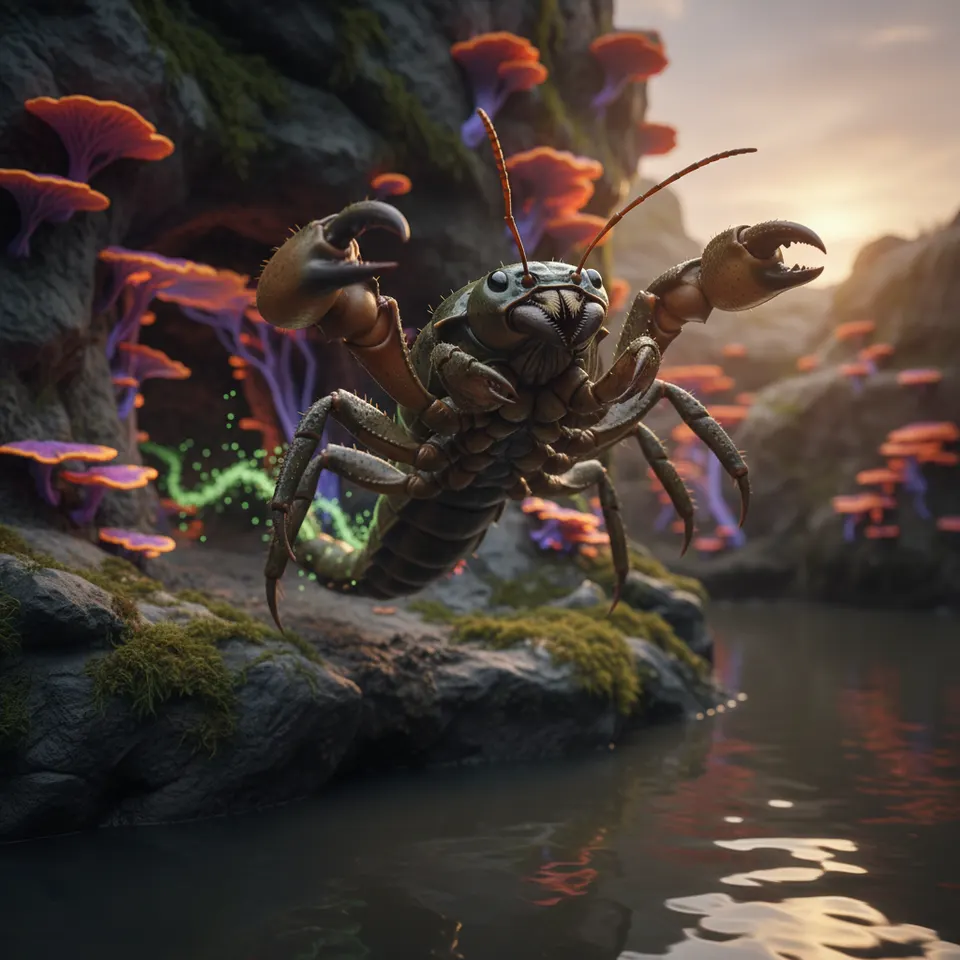
Primarily found in brackish mangrove forests and intertidal zones, Formicrabs are nocturnal foragers, emerging after dusk to scour the muddy banks for detritus, small crustaceans, and decaying plant matter. Their six sturdy legs allow them to navigate both submerged roots and sandy terrain with equal agility. During high tide or when threatened, they rapidly retreat into their cleverly camouflaged burrows, which often have multiple hidden exits leading to underwater chambers.
Fun Facts
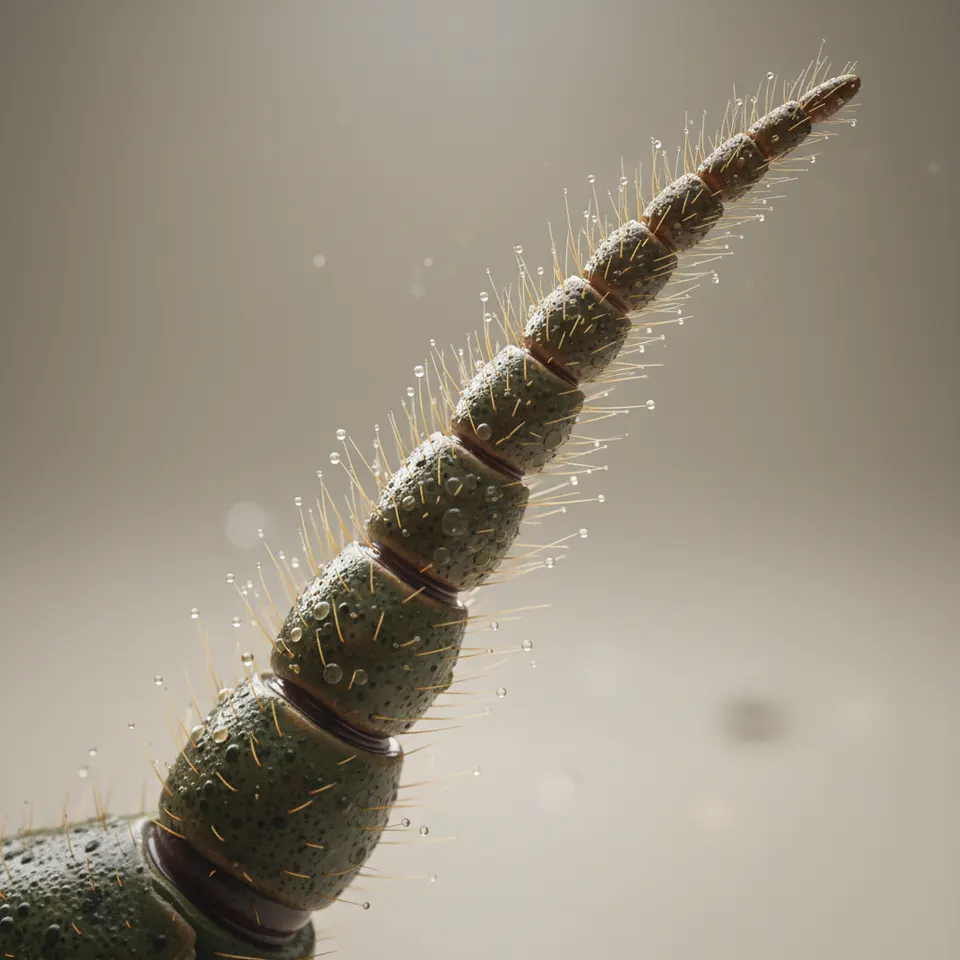
- 🔬 A Formicrab's antennae are not only sensitive to chemical trails but can also detect minute changes in water pressure, helping them anticipate approaching tides or predators.
- 🔬 Their exoskeletons are exceptionally durable, capable of withstanding significant impacts, and they undergo a dramatic molting process, during which they are highly vulnerable but also grow considerably.
- 🔬 Some Formicrab colonies have been observed "farming" a type of marine algae within their underwater burrow chambers, providing a supplemental food source.