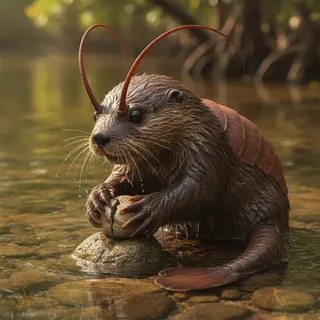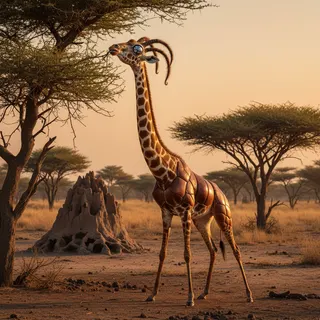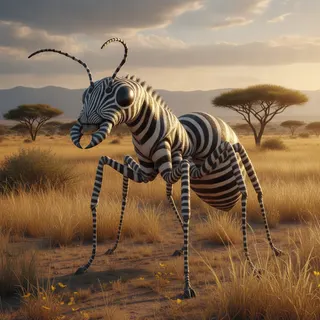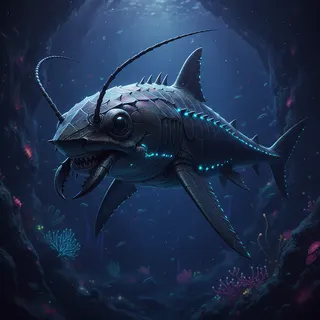
Pincerant
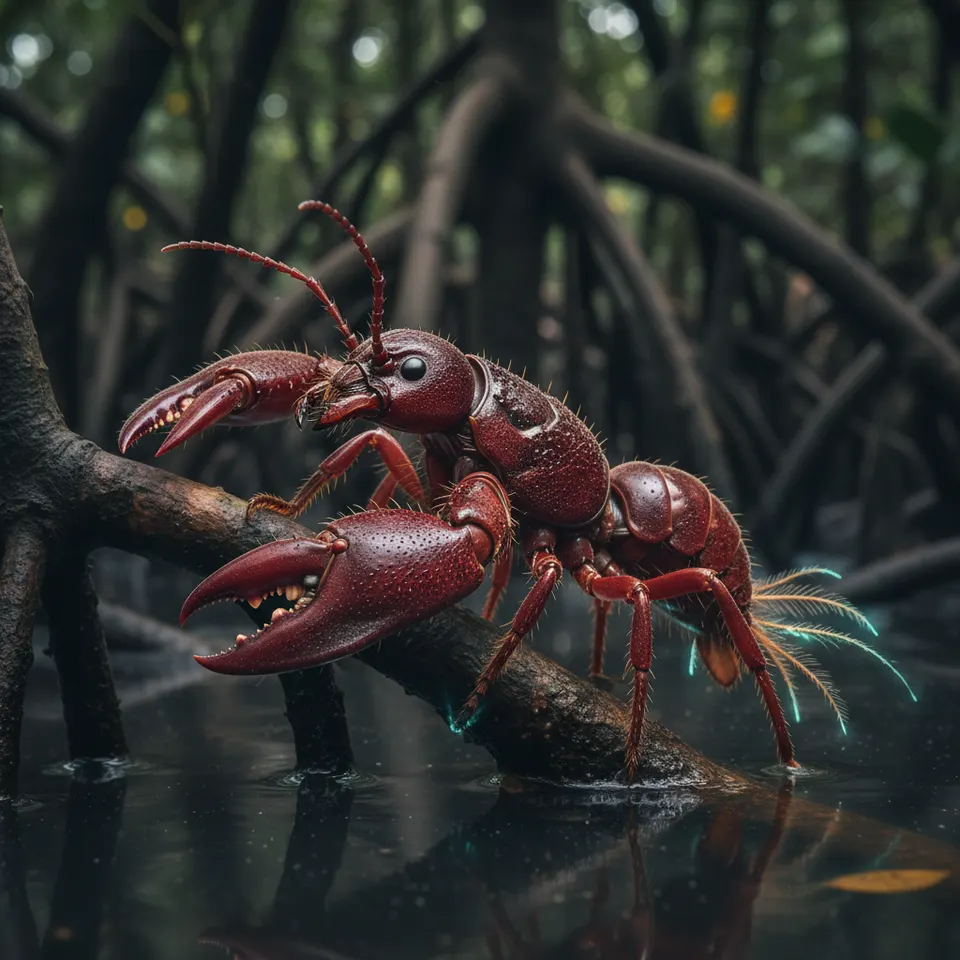
Formicohomarus chelae
Stats
Behavior
Pincerants are highly social creatures, living in intricate subterranean and subaquatic colonies. They display a fascinating blend of ant-like industriousness and lobster-like territoriality. Each colony is led by a singular, larger Queen Pincerant, responsible for reproduction. Workers forage for food both on land and in shallow waters, while soldiers, identifiable by their disproportionately large claws, guard the colony entrances against predators. They communicate using complex chemical signals and tactile vibrations, especially during foraging expeditions or when a threat is detected.
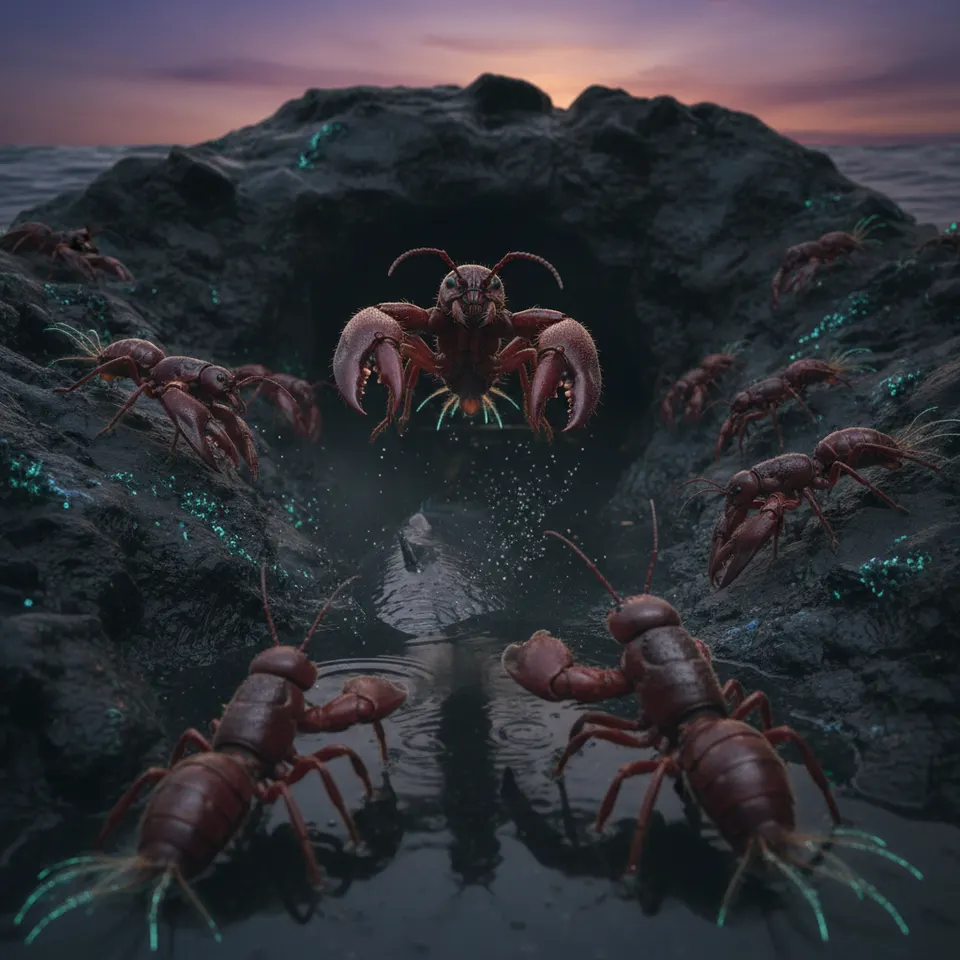
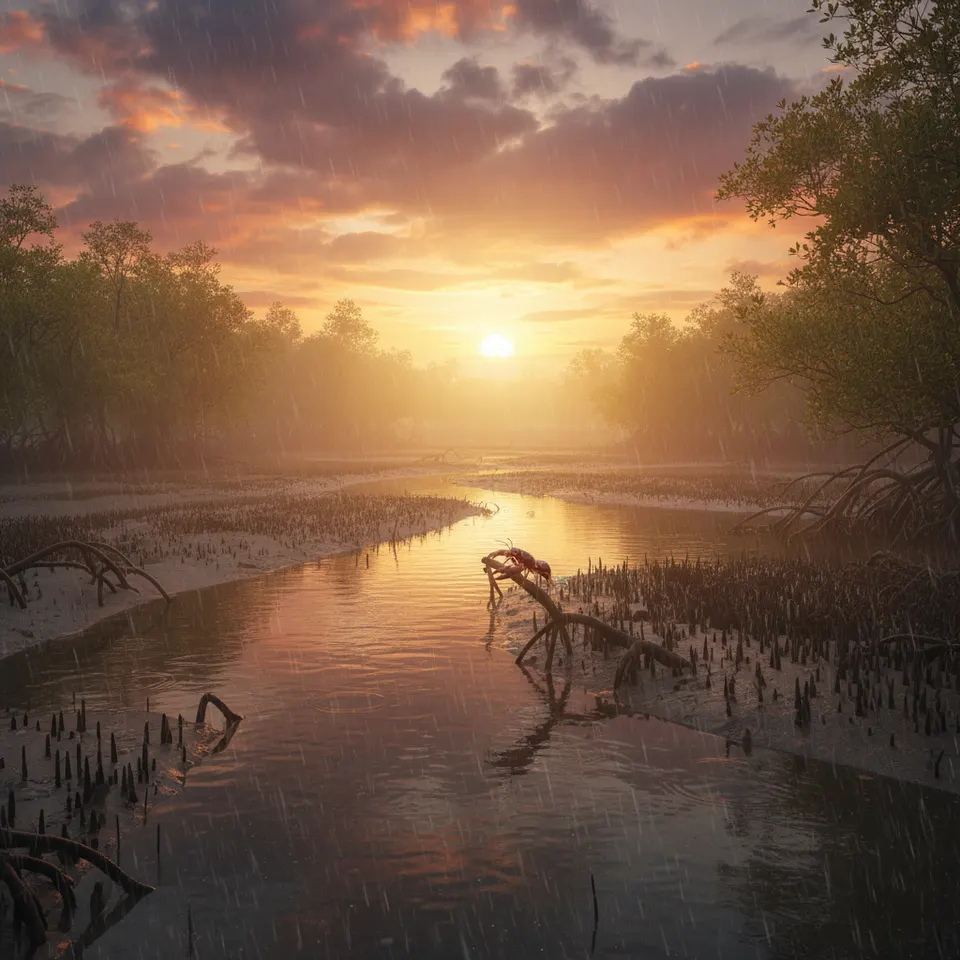
Their unique physiology allows them to thrive in the fluctuating environments of mangrove swamps and estuaries. They construct elaborate tunnel systems that extend from dry land, beneath the roots of mangroves, and into the oxygen-rich muddy seafloor. These tunnels are carefully engineered to remain flooded at high tide and accessible for land-based foraging at low tide. They are particularly active during dusk and dawn, using their enhanced chemoreceptors to locate food sources and avoid larger aquatic and avian predators.
Fun Facts
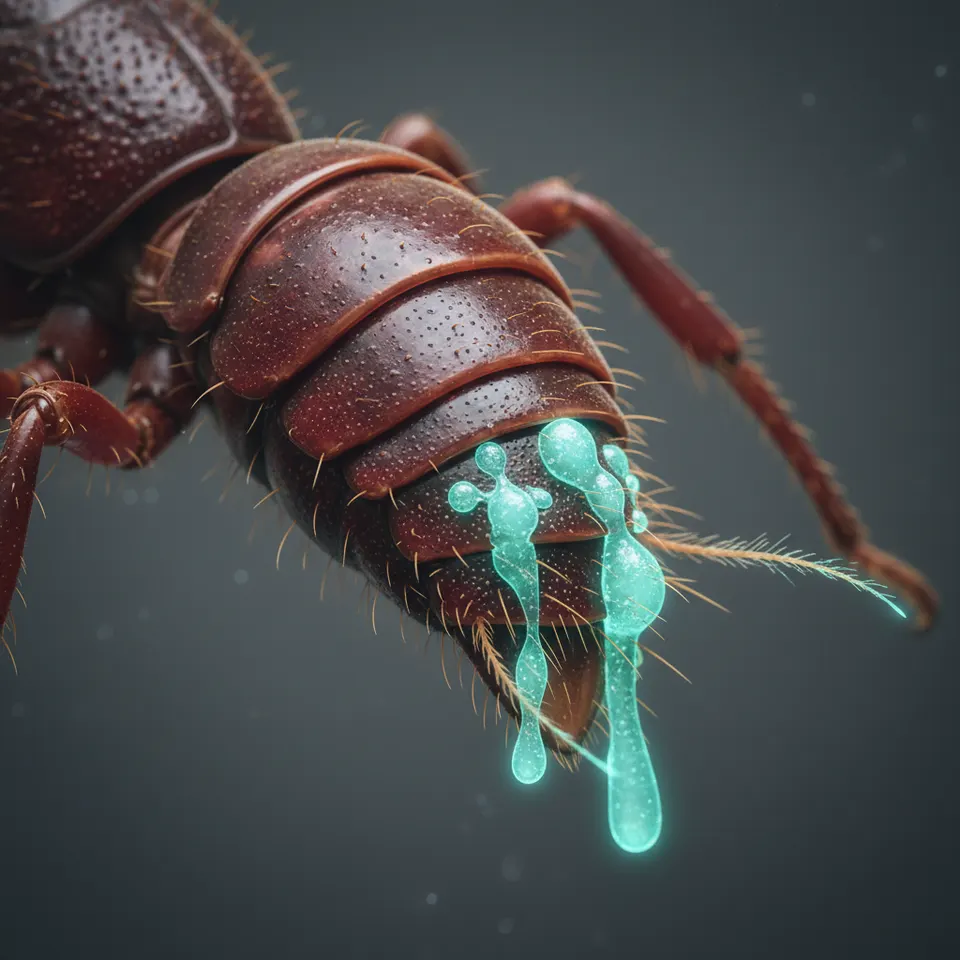
- 🔬 Pincerants secrete a bioluminescent mucus from glands on their abdomen, which they use to mark foraging trails in dimly lit tunnels and to attract mates during nocturnal breeding rituals.
- 🔬 Despite their small size, a Pincerant's primary crushing claw can exert pressure equivalent to a small human's bite, capable of cracking mollusc shells or deterring significantly larger creatures.
- 🔬 The Pincerant Queen can live for up to 30 years, producing thousands of offspring throughout her lifetime, and her pheromones are so potent they can influence colony behavior from hundreds of yards away.