Bearkat
Ursus suricatae
Stats
Behavior
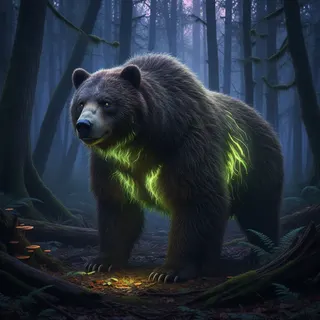
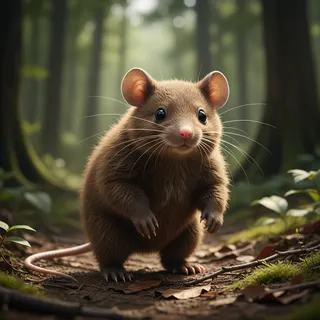
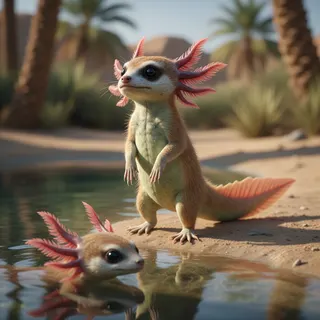
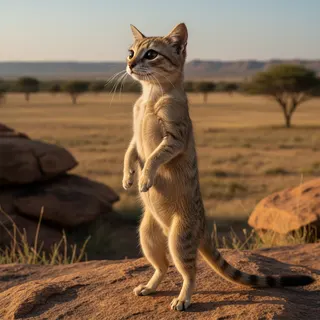
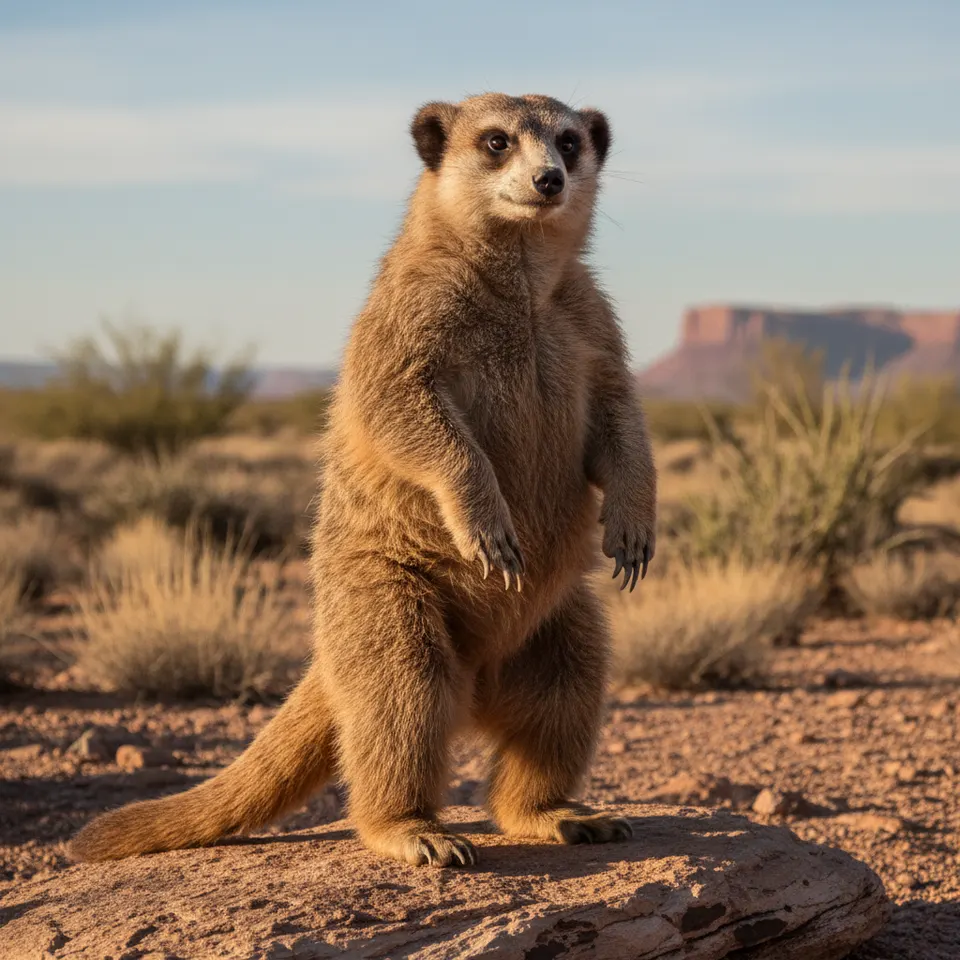
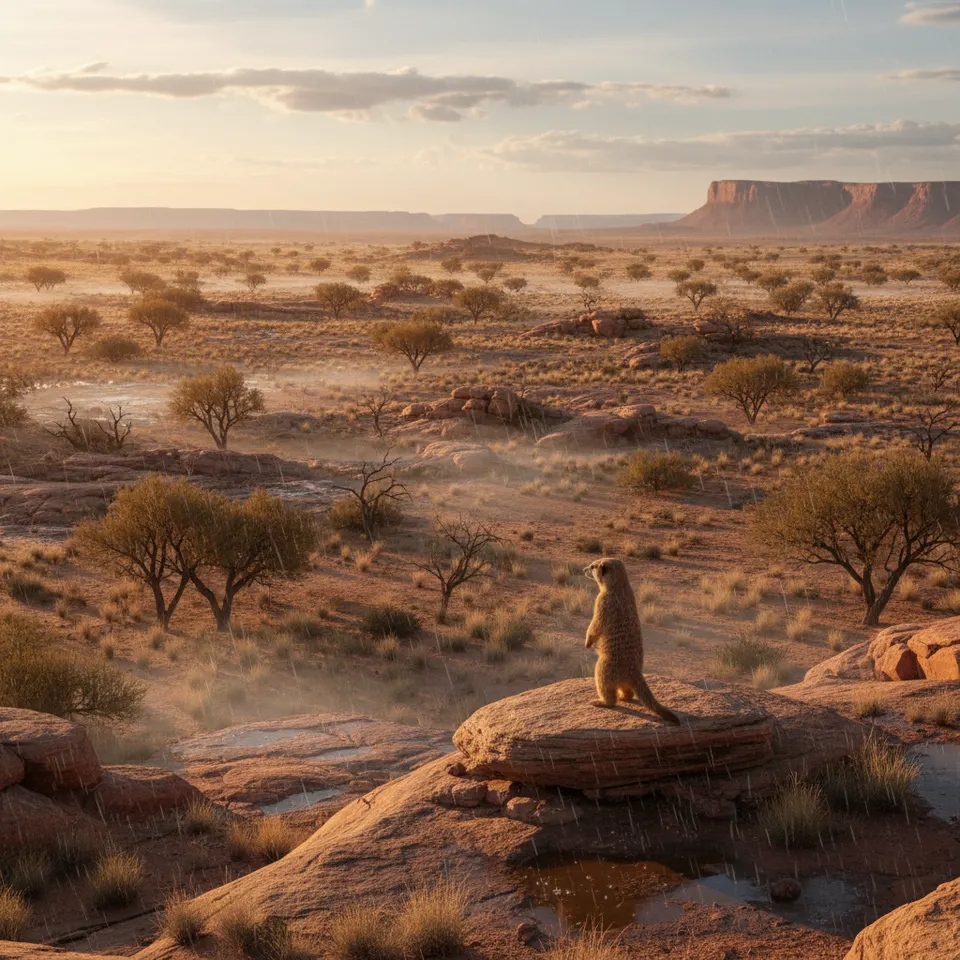
The Bearkat exhibits a unique blend of its ancestral traits. While possessing the formidable strength and occasional solitude of a bear, it retains the keen vigilance and upright posture of a meerkat. Bearkats typically live in small family units, often a mated pair and their offspring, rather than large colonies. They are incredibly watchful, with one or more individuals standing guard on elevated rocks or tree stumps, scanning the horizon for predators. When danger is spotted, they emit a deep, rumbling growl combined with sharp, yelping barks, warning the entire group.
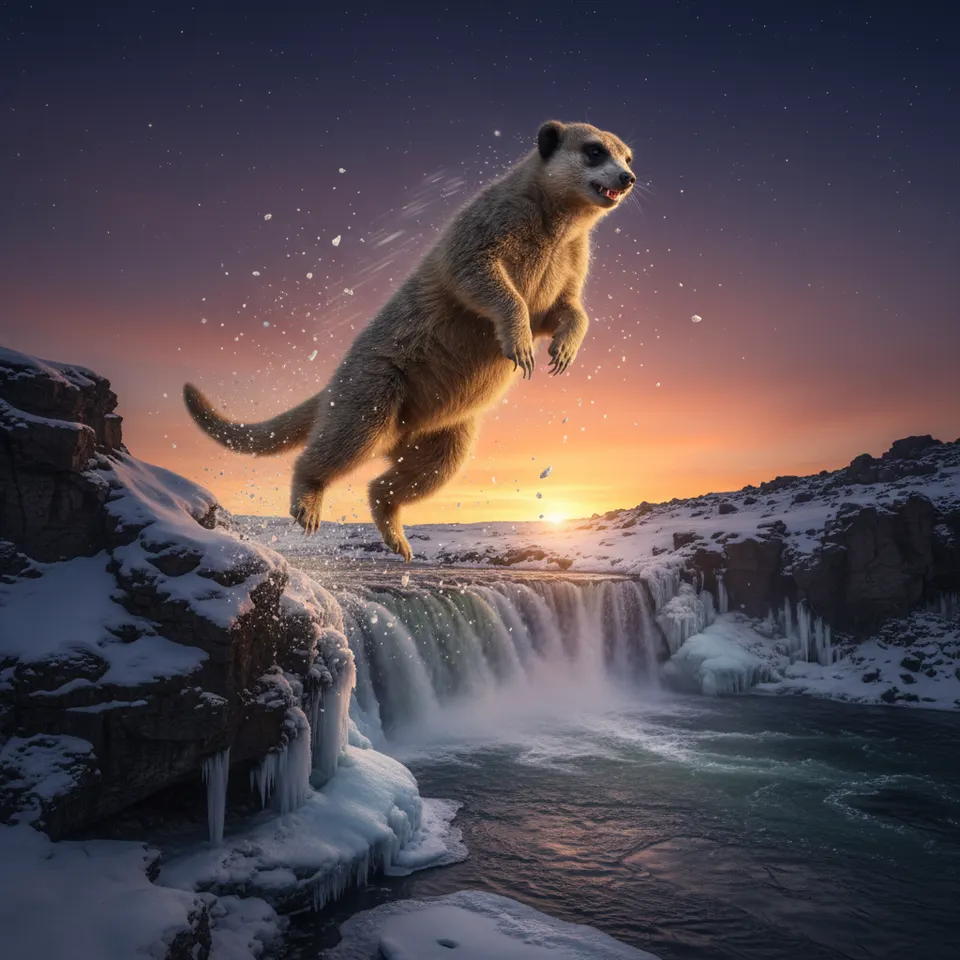
These creatures are exceptional diggers, using their powerful bear claws to excavate elaborate burrow systems that serve as their homes and safe havens from predators and extreme temperatures. Their burrows can be extensive, with multiple entrances and chambers. Bearkats are opportunistic foragers, spending their days overturning rocks, digging for roots and tubers, and hunting small reptiles, insects, and occasionally larger prey. They are highly territorial, marking their boundaries with scent glands and impressive claw marks on trees.
Fun Facts
- 🔬 Despite their size, Bearkats can stand perfectly upright on their hind legs for extended periods, using their strong, club-like tail for balance, much like their meerkat ancestors.
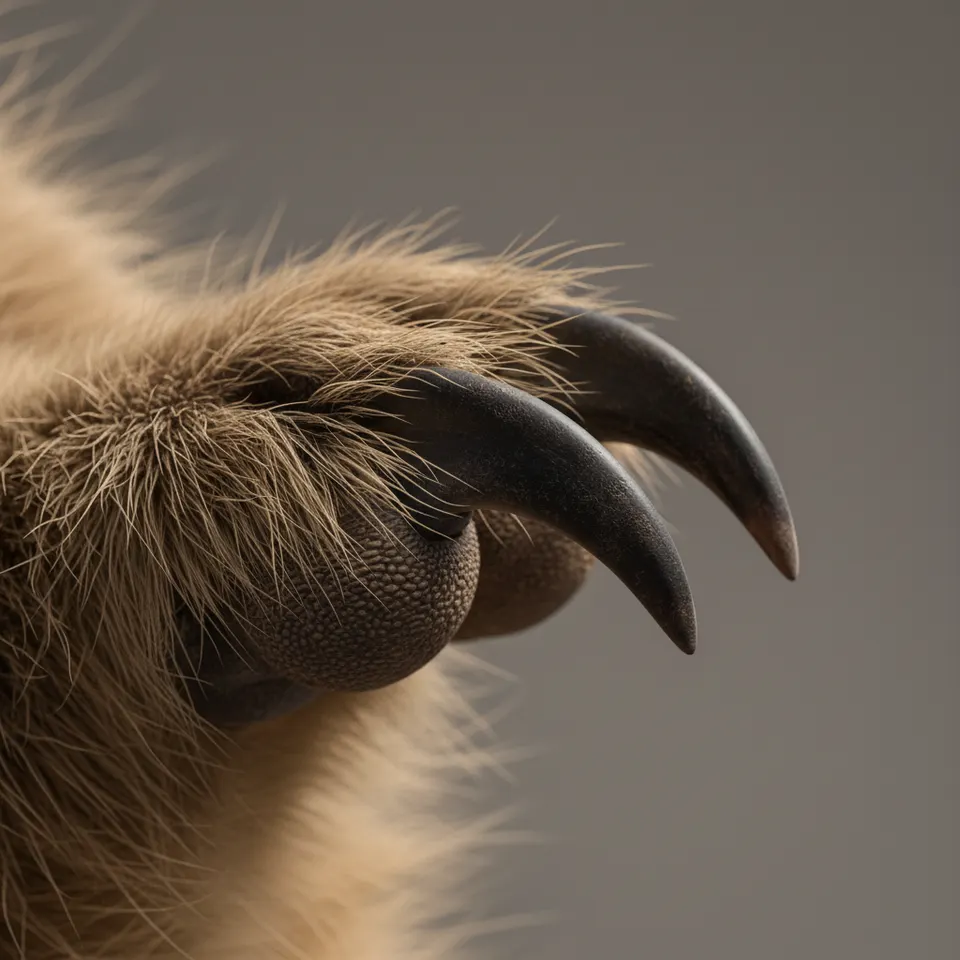
- 🔬 Their fur is a dense, sandy-brown with darker markings around their eyes, giving them a perpetually 'squinting' or 'observing' look, enhancing their intimidating appearance while on guard.
- 🔬 Bearkats have been observed performing an elaborate 'sun dance' on cool mornings, standing on their hind legs and slowly turning to absorb the warmth, a behavior reminiscent of meerkats but on a much larger, more imposing scale.