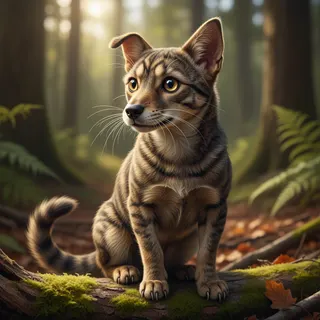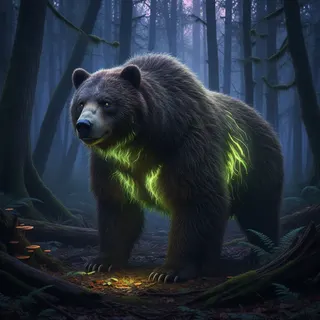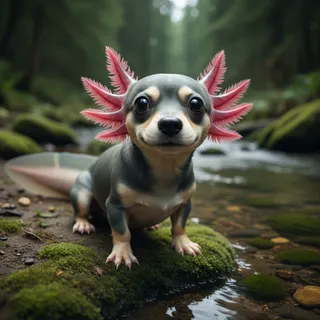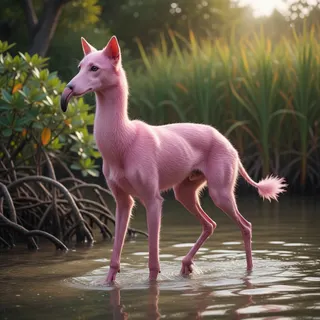
Ursohound
Ursus canidus magnificus
Stats

Behavior
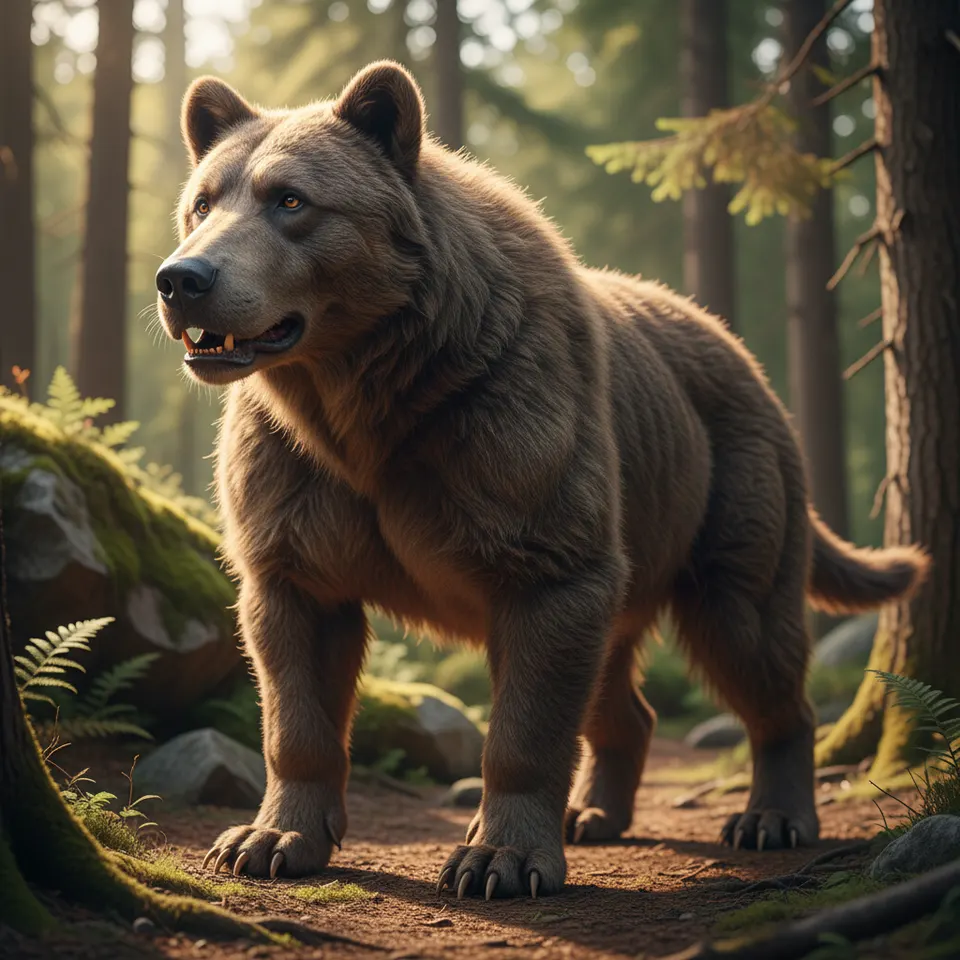
The Ursohound is a creature of surprising contrasts, often exhibiting the loyalty and curious nature of its canine ancestors with the solitary strength and foraging instincts of a bear. While young Ursohounds are playful and inquisitive, often forming small sibling groups, adults tend to be more solitary, only pairing during mating season or when raising cubs. They communicate through a unique blend of deep growls, huffs, and surprisingly melodious howls that can carry for miles through the forest. They are fiercely protective of their territory and offspring, making them formidable yet often shy inhabitants of their domain.
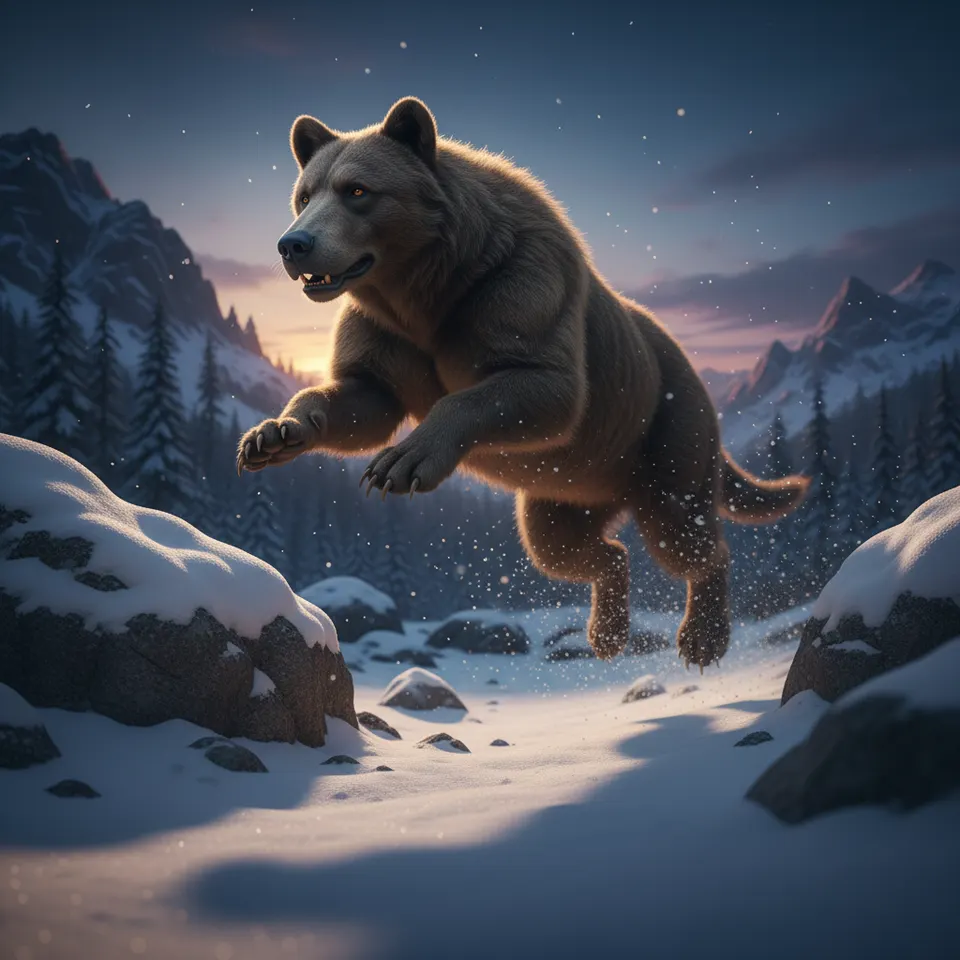
Primarily crepuscular, Ursohounds are most active at dawn and dusk, though they can be found foraging throughout the day. They possess an incredible sense of smell, tracking hidden berries, tubers, grubs, and small game with equal ease. Despite their bulk, they are surprisingly agile climbers, using their strong, clawed paws to scale trees for fruit or to escape perceived threats. They dig complex dens under tree roots or in rock crevices, which they use for shelter and raising their litters of 1-3 cubs.
Fun Facts
- 🔬 Ursohounds are known to stand on their hind legs to get a better view or scent of their surroundings, much like a bear, but will wag their short, stubby tails like a dog when excited or greeting a recognized individual.
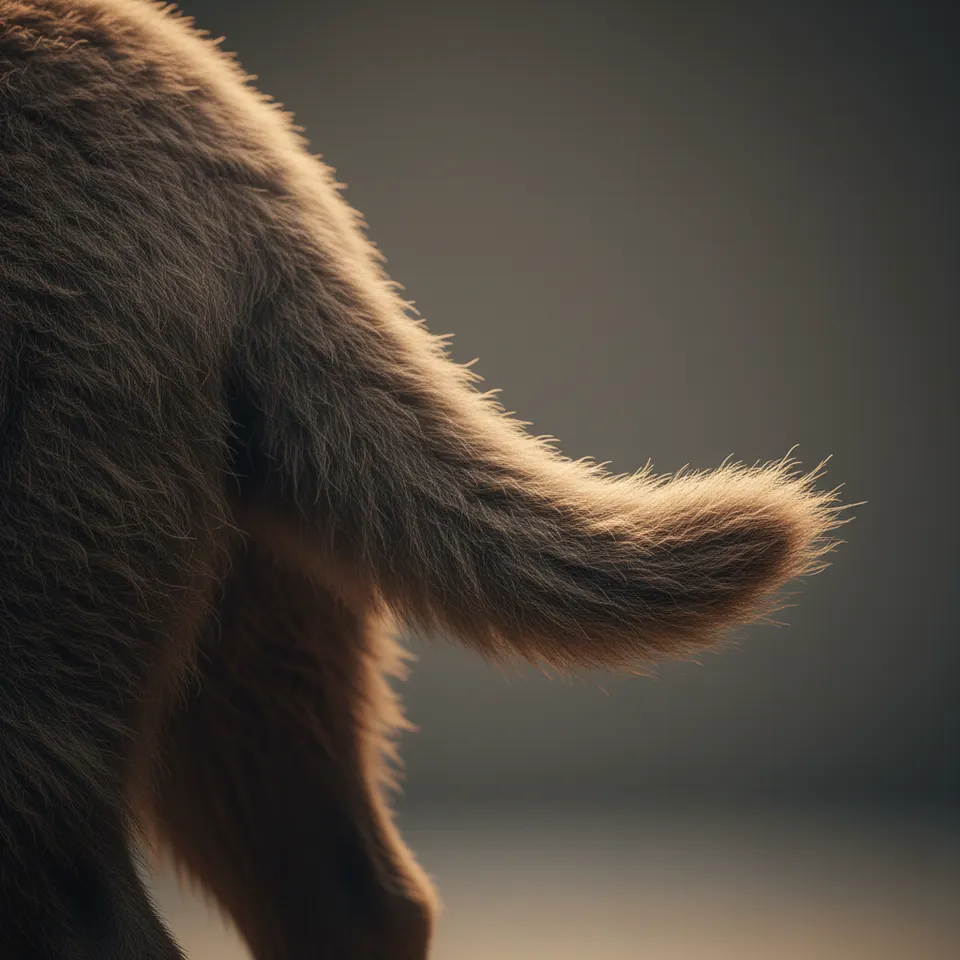
- 🔬 Their fur, which can range from grizzled gray to deep reddish-brown, is remarkably dense and water-resistant, allowing them to thrive in various weather conditions, from misty mountain mornings to snowy winters.
- 🔬 Unlike pure bears, Ursohounds do not truly hibernate, instead entering a state of torpor during the coldest months, often waking to forage on warmer winter days.