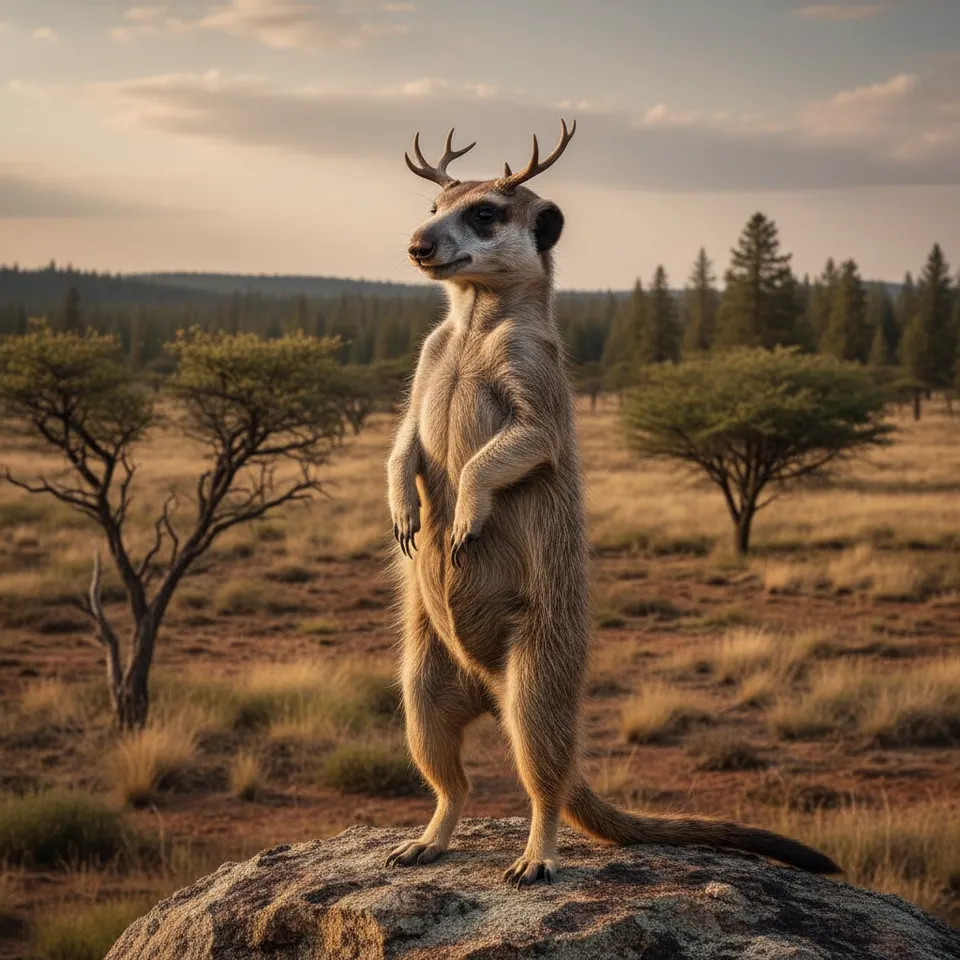
Moosekat
Suricatalces grandis
Stats
Behavior
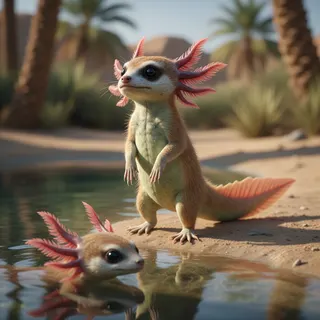
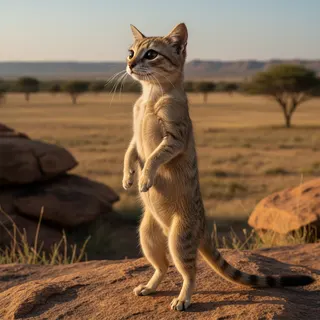
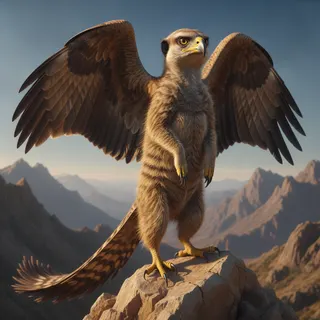
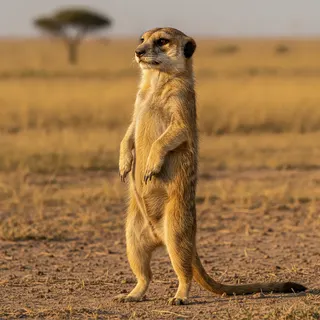
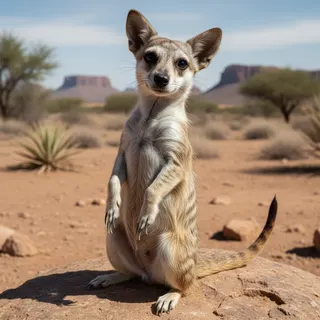
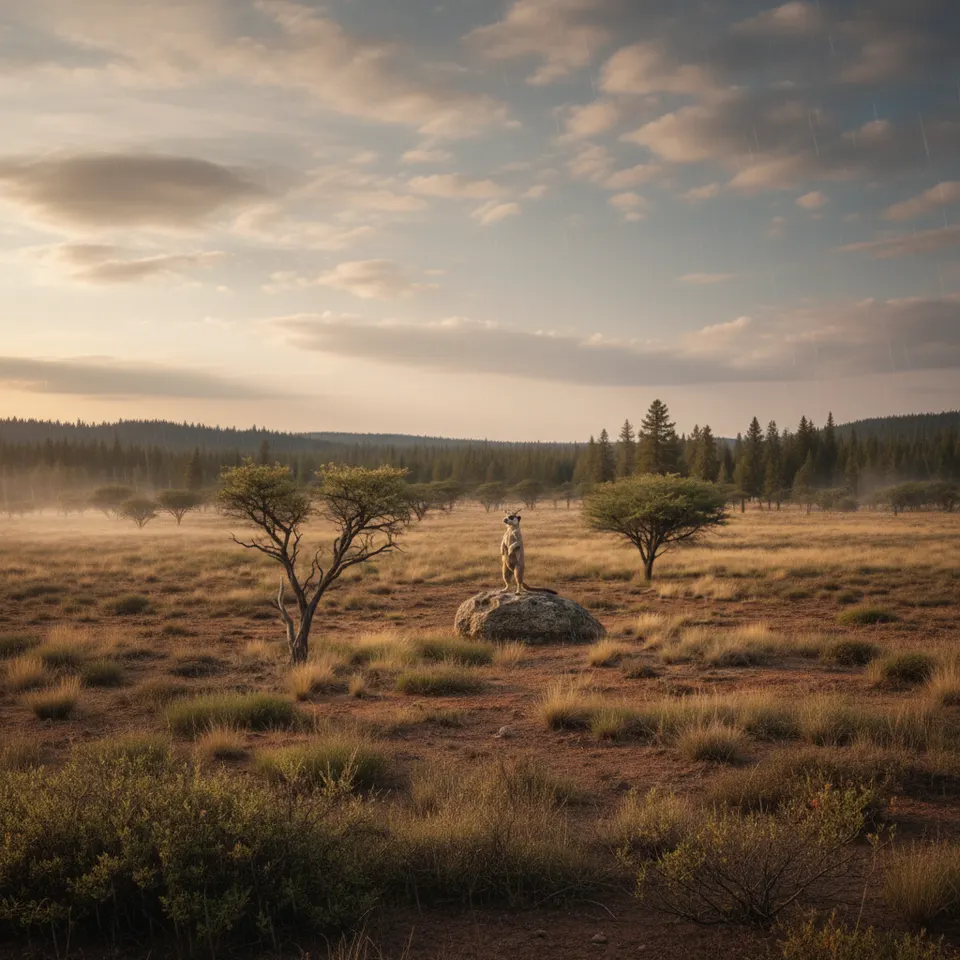
Moosekats are social creatures, living in family groups of 5-15 individuals, much like their meerkat ancestors. However, their larger size means they forage over wider territories. They exhibit the iconic meerkat sentinel behavior, with one or more individuals standing tall on their hind legs, utilizing their impressive height to scan the horizon for predators. This sentry duty is shared among the group, often rotating with remarkable discipline, allowing others to browse or rest. Their communication involves a complex array of chirps, barks, and low moans, with alarm calls that can startle even the largest predators.

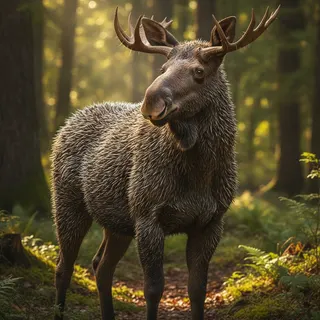
These hybrids are highly adaptable, able to thrive in diverse environments where food resources might be scarce for either parent species. They spend their days meticulously foraging, using their powerful, moose-like muzzles to strip leaves from tough shrubs and their meerkat-inherited digging claws to unearth roots, tubers, and burrowing insects. At night, they retreat to complex burrow systems dug into the earth, which they expand and maintain collectively. Despite their size, they are surprisingly agile, capable of quick bursts of speed to evade threats or navigate dense undergrowth.
Fun Facts
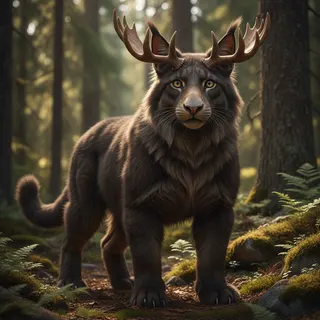
- 🔬 Moosekat antlers, though smaller and less elaborate than a full-grown moose's, are surprisingly dexterous, used not just for defense but also for scraping bark off trees and even fending off rival groups over prime foraging grounds.
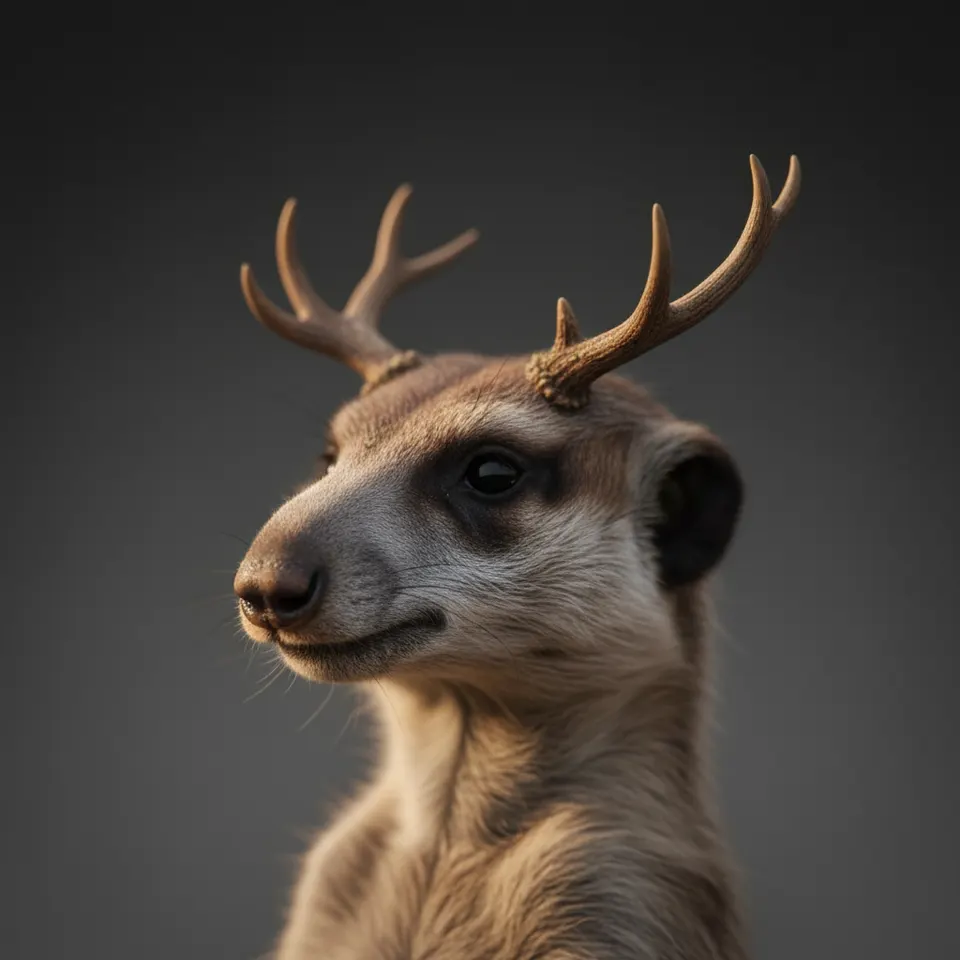
- 🔬 Their signature pose involves standing sentinel on their hind legs, but unlike meerkats, their larger, flatter feet provide a more stable base, allowing them to remain upright for extended periods, often swaying gently in the breeze.
- 🔬 Moosekats have incredibly acute senses; their vision can spot a predator from over a mile away, and their hearing can pick up the rustle of a beetle underground, making them formidable survivors in their challenging habitats.