
Blubberbear
Cetursus arctopelagicus
Stats

Behavior
Blubberbears are solitary, highly intelligent predators known for their incredible adaptability between marine and terrestrial environments. They exhibit the cunning and stealth of a bear when stalking prey on ice, combined with the grace and power of a whale in water. While generally solitary, during large migrations or abundant feeding grounds, small groups may temporarily form, communicating through a complex array of clicks, grunts, and low-frequency hums that echo across the arctic soundscape.

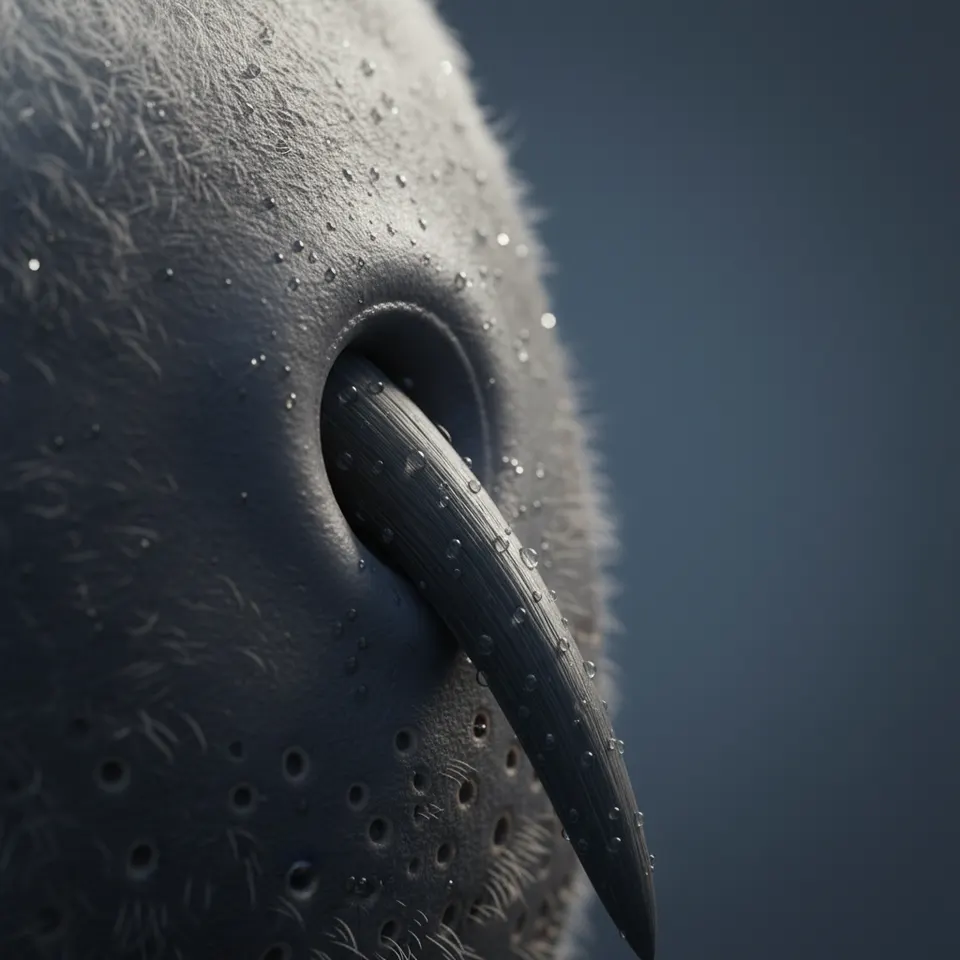
Their thick blubber and dense, water-repellent fur allow them to thrive in the harshest polar conditions. They spend most of their lives in the frigid waters, hunting fish, seals, and small cetaceans, but are fully capable of hauling themselves onto ice floes or coastal landmasses to rest, sunbathe, or occasionally forage for tundra vegetation. Young Blubberbears learn survival skills from their mothers for several years, perfecting their unique blend of land and sea hunting techniques.
Fun Facts
- 🔬 They possess a unique sonar system similar to toothed whales, but combine it with an excellent sense of smell for detecting prey both above and below the ice, often ambushing seals from beneath the floes.
- 🔬 During mating season, male Blubberbears engage in elaborate underwater 'dances' and vocal competitions, often punctuated by powerful breaches that shake the very ice floes, creating dramatic spectacles for potential mates.
- 🔬 Despite their formidable size and predatory nature, Blubberbears are surprisingly playful, especially as juveniles. They have been observed 'surfing' on icebergs and engaging in mock hunts with curious arctic foxes, showcasing a mischievous intelligence.