Meerachnid
Arachnocata suricoides
Stats

Behavior
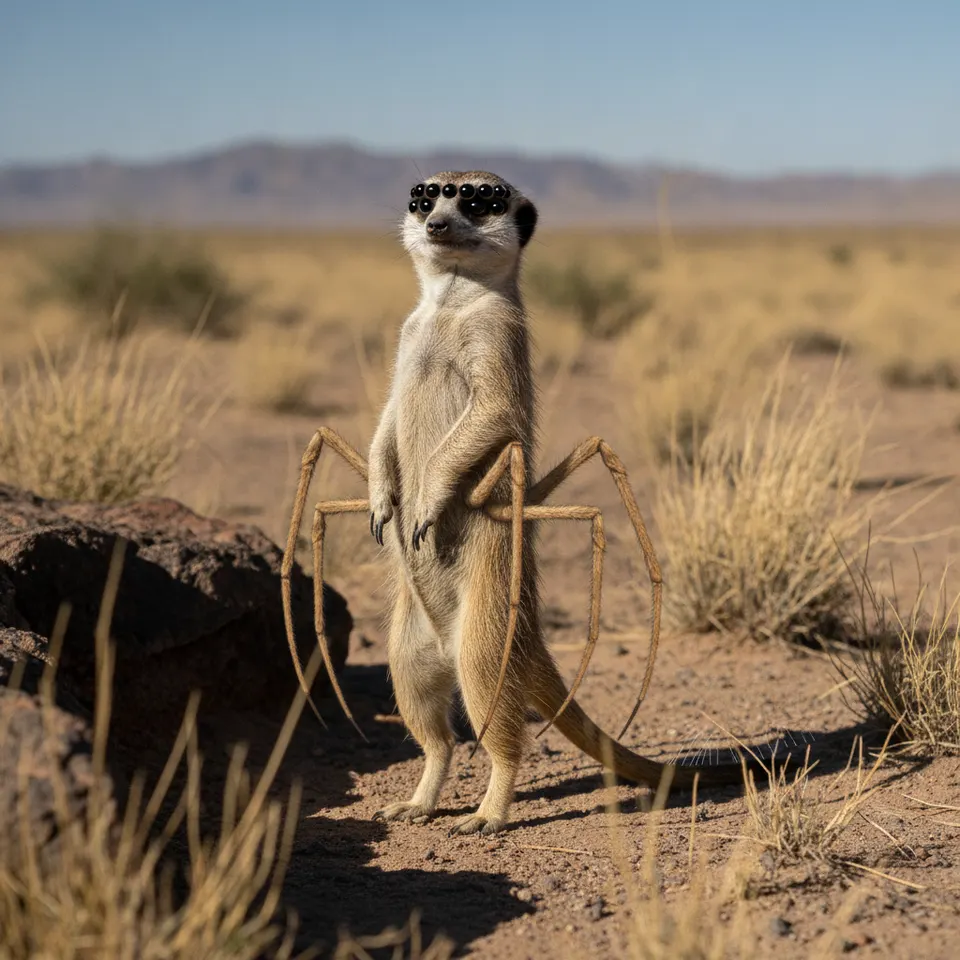
Meerachnids exhibit a fascinating blend of social vigilance and solitary predatory instinct. They often live in small family groups, mimicking the alert, upright stance of meerkats to scan for threats and prey. However, their true nature reveals itself in their hunting strategy: instead of a direct chase, they expertly deploy fine, almost invisible silk threads from glands at the base of their tails, creating intricate tripwires and small, sticky nets around their burrows and foraging paths.

These creatures dig elaborate, multi-chambered burrow systems in the sun-baked earth, often with several camouflaged entrances. Each entrance is typically 'booby-trapped' with a series of nearly transparent silk strands that alert the Meerachnids to passing prey or potential predators. They are primarily diurnal, basking in the sun during the warmest parts of the day, but become more actively predatory during the cooler hours of dawn and dusk.
Fun Facts
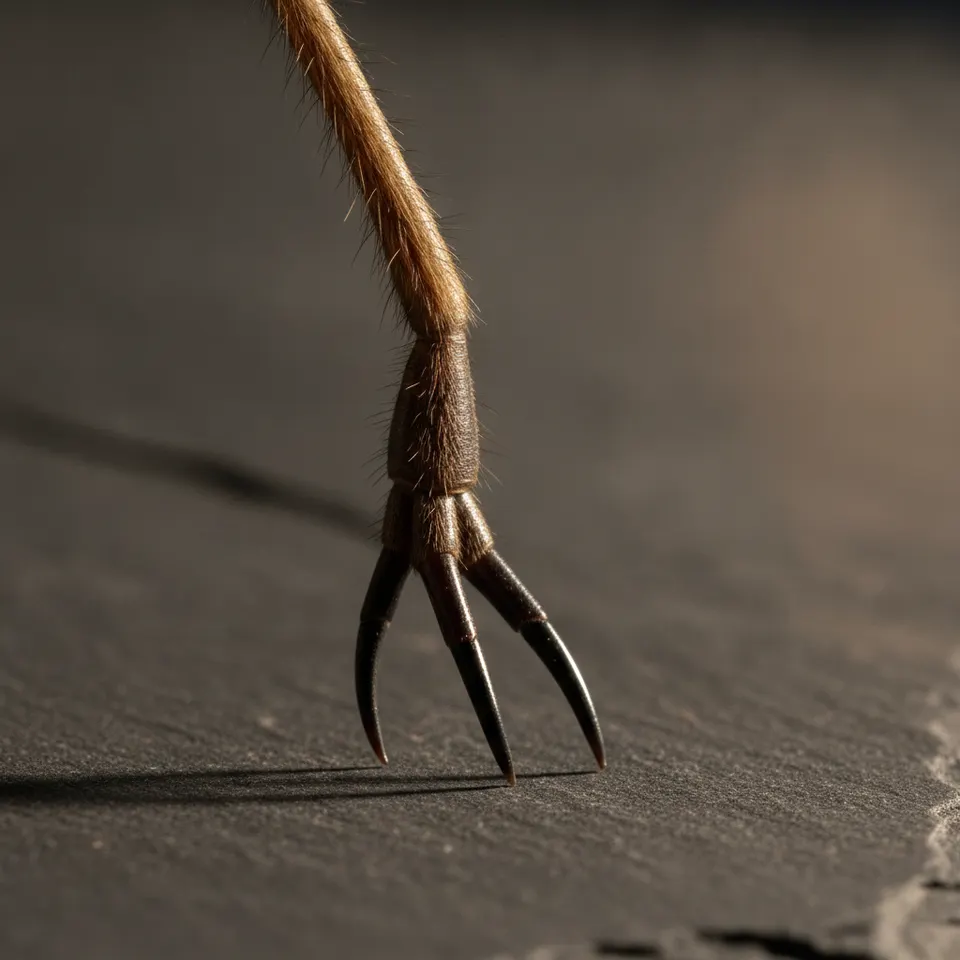
- 🔬 Meerachnids communicate through a complex series of chirps, barks, and rhythmic tapping of their four front legs on the ground, each pattern conveying different warnings or social greetings.
- 🔬 Their silk is not only incredibly strong and elastic but also laced with a mild neurotoxin, paralyzing small prey almost instantly upon contact, making it easier to transport back to their burrows.
- 🔬 Unlike typical meerkats, Meerachnids possess eight small, reflective eyes arranged in a semi-circle across their brow, granting them an almost 360-degree field of vision crucial for detecting both aerial and ground threats.