Flutterhog
Porcus papilionida
Stats

Behavior
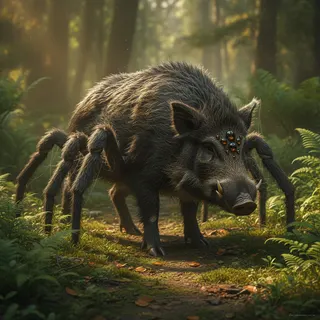
Flutterhogs are generally solitary creatures, though they may occasionally form small family groups of a sow and her offspring. They spend their days foraging on the ground, rooting with their sturdy snouts for subterranean treats and nibbling on low-lying vegetation. Despite their bulk, they are surprisingly agile fliers, using their powerful wings to escape predators or navigate difficult terrain. They are most active during dawn and dusk, when the air is cooler and fewer diurnal predators are about.

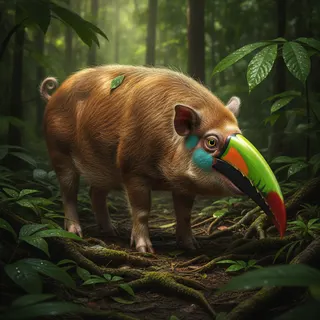
Their unique physiology allows them to exploit a wide range of food sources. While grounded, they exhibit typical pig-like rooting behavior, but they also possess a long, retractable proboscis, much like a butterfly's, which they use to sip nectar from large flowers or extract juices from ripe fruits. They construct shallow, well-hidden nests among dense undergrowth or at the base of large trees, camouflaging them with leaves and twigs. Their flight pattern is a distinctive, somewhat clumsy, but powerful flutter, often accompanied by a low grunting sound.
Fun Facts
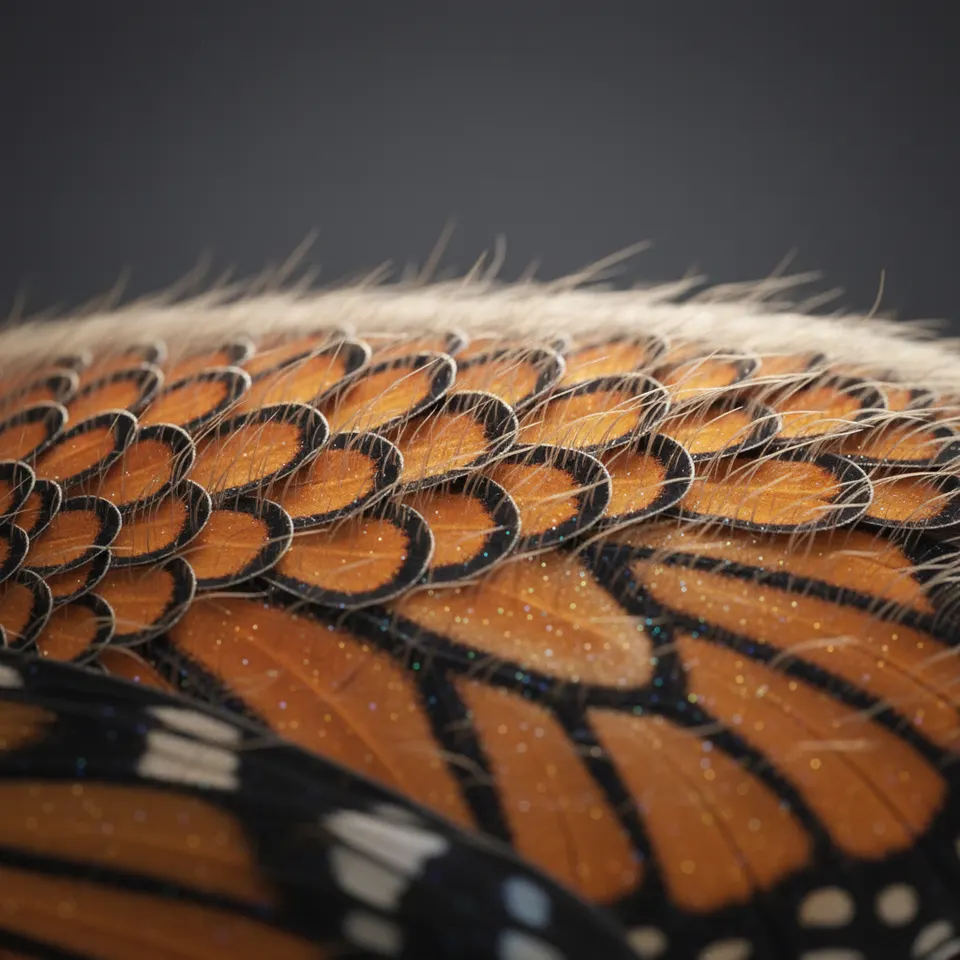
- 🔬 A Flutterhog's wings are surprisingly tough, covered in fine, iridescent bristles that resemble both butterfly scales and coarse pig hair, allowing them to withstand minor impacts from branches.
- 🔬 They possess a unique 'scent map' in their brain, allowing them to remember the location and bloom times of hundreds of different nectar-producing plants across vast territories.
- 🔬 When threatened, a Flutterhog can rapidly vibrate its wings, creating a startling buzzing sound that, combined with a sudden, short flight, is often enough to deter smaller predators.