Spotterfly
Papilioccinella maculata
Stats

Behavior
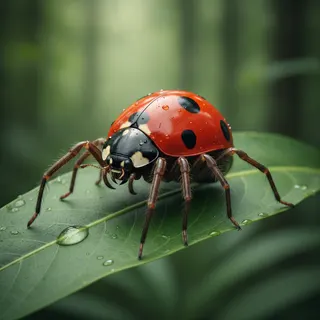
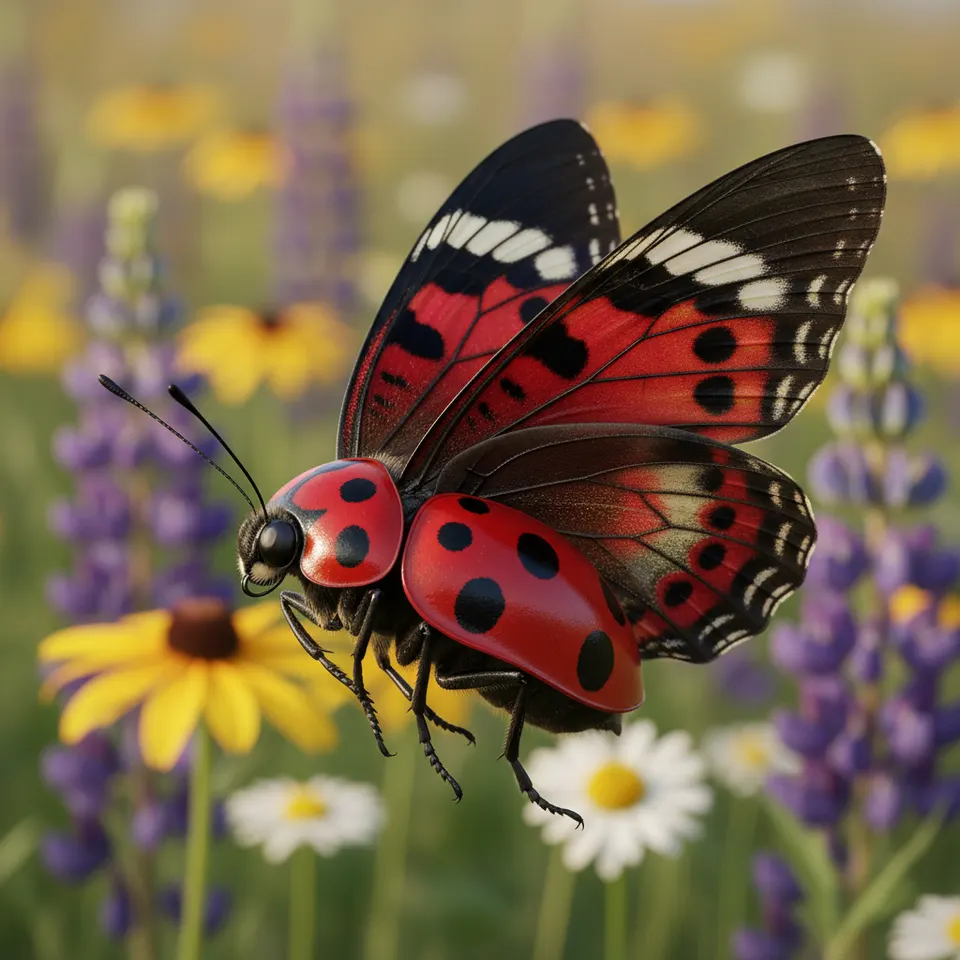
Spotterflies are primarily solitary creatures, known for their unique undulating flight pattern as they flit gracefully between flowers. Unlike many butterflies, they are not strictly diurnal and can often be observed feeding at dusk, using their keen sense of smell to locate blooming plants. When sensing danger, they possess a remarkable defense mechanism: they can retract their delicate, scale-dusted wings beneath a pair of hardened elytra, mimicking a ladybug's sturdy, unpalatable appearance, making them difficult prey for insectivorous birds and small mammals.
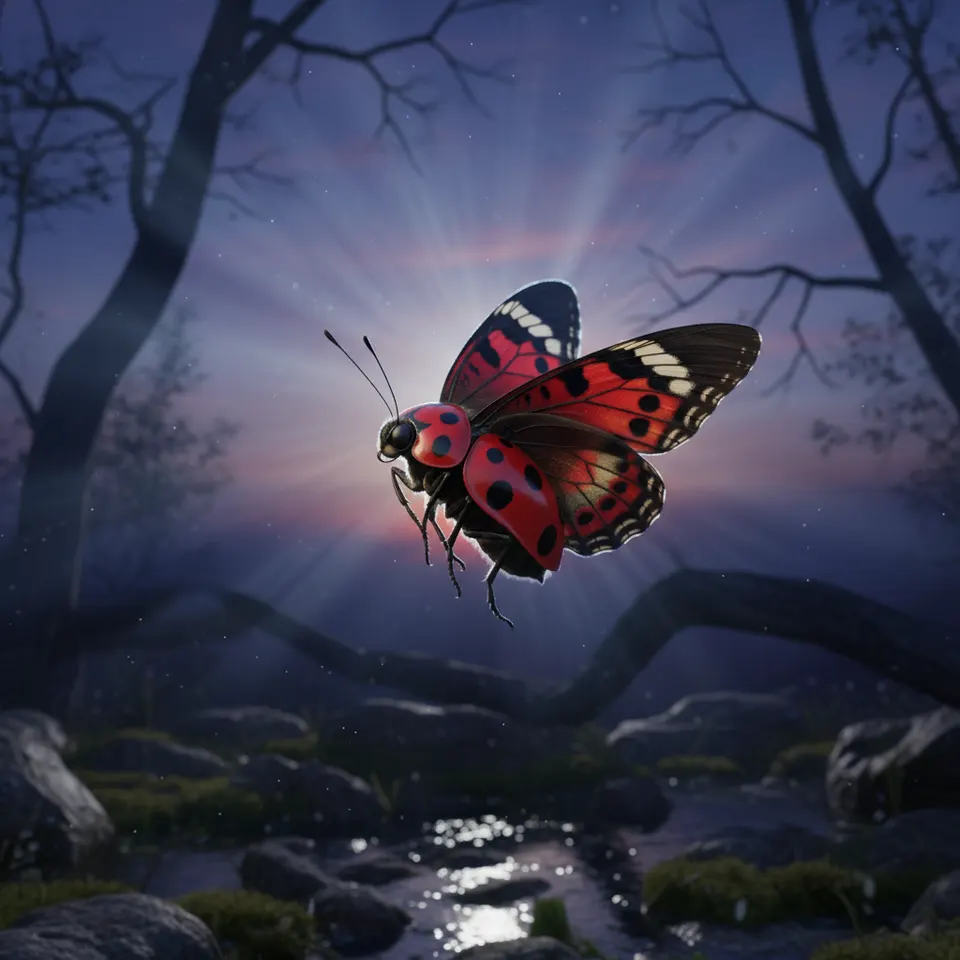
These fascinating hybrids prefer open, sun-drenched meadows and meticulously cultivated floral gardens rich in a diverse array of nectar-producing plants. They are particularly drawn to flowers with bright red, orange, and yellow petals. During reproduction, female Spotterflies lay their distinctive, almond-shaped eggs individually on the underside of leaves, strategically placing them near active aphid colonies, ensuring an immediate and abundant food source for their emerging larvae, which resemble miniature, elongated versions of the adult but without developed wings.
Fun Facts
- 🔬 Each Spotterfly possesses a unique pattern of spots on its chitinous back, much like human fingerprints, allowing researchers to identify individuals.
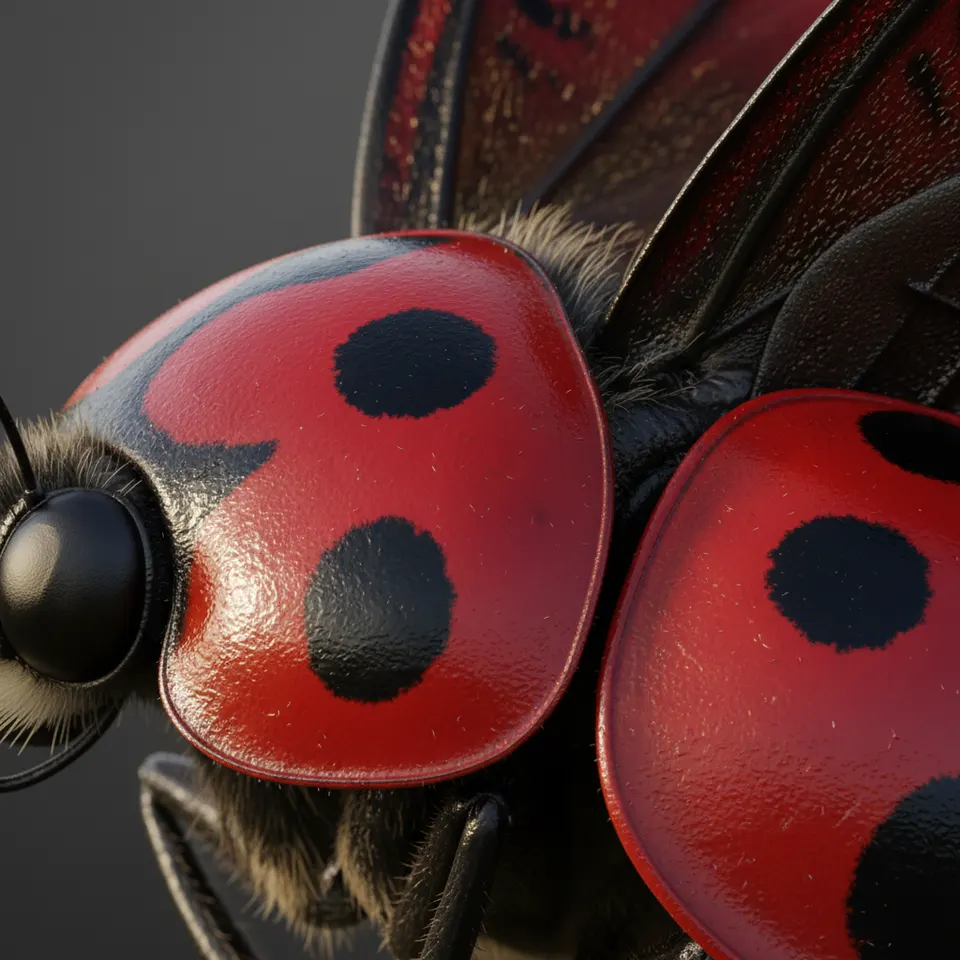
- 🔬 Despite their graceful appearance, Spotterflies taste remarkably bitter to predators, a deterrent inherited from their ladybug lineage, often causing predators to quickly release them unharmed.
- 🔬 Their chrysalis stage is a work of natural art; it resembles a tiny, jewel-toned sculpture, often mistaken for a drop of hardened sap or a rare gemstone hanging from a leaf.