Zebracrest
Equus pavostriatus
Stats

Behavior
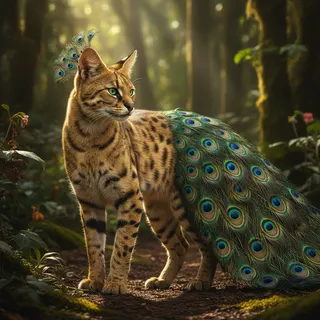
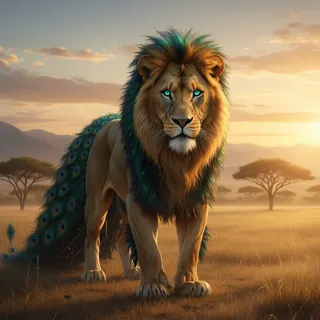
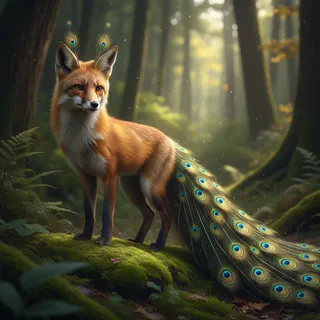
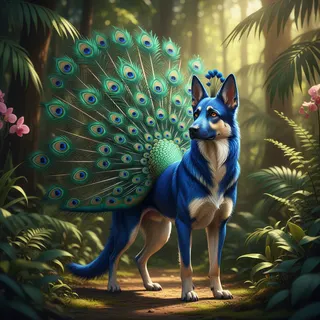
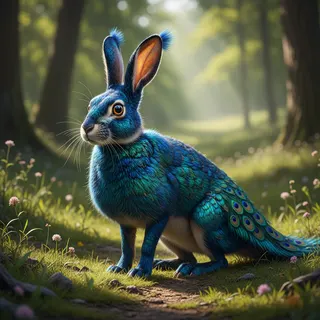
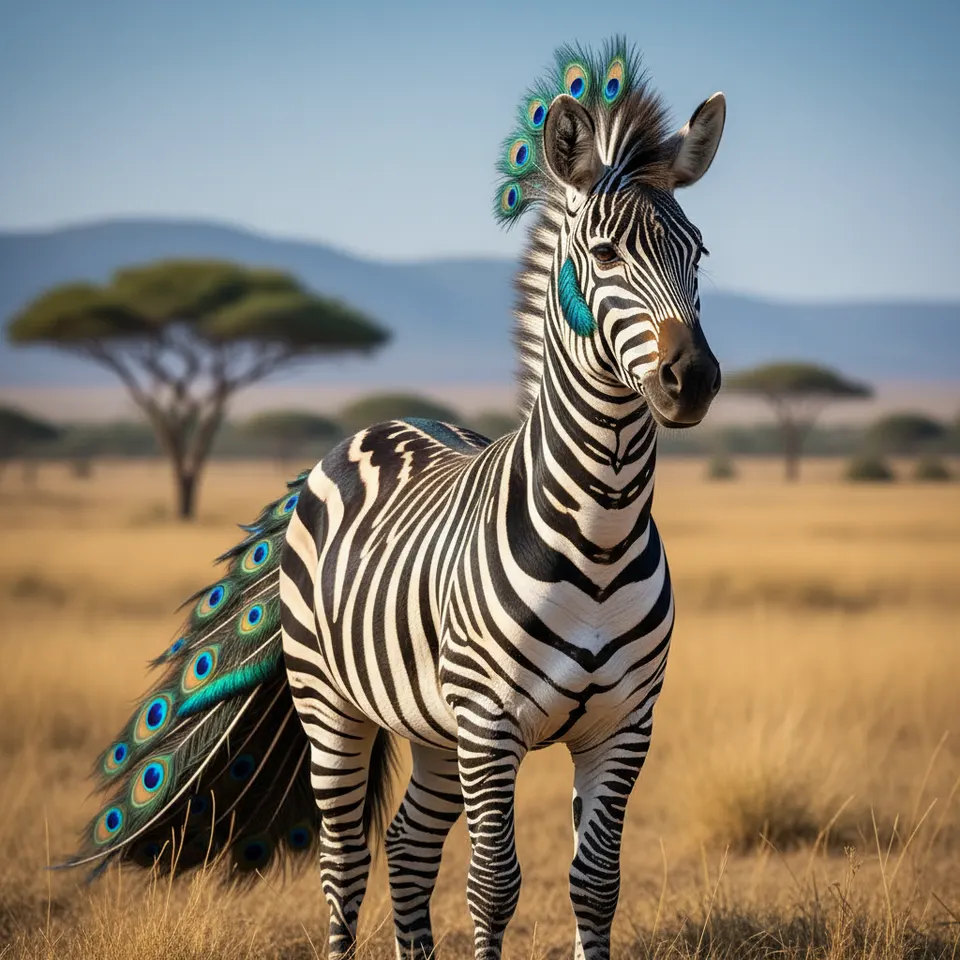
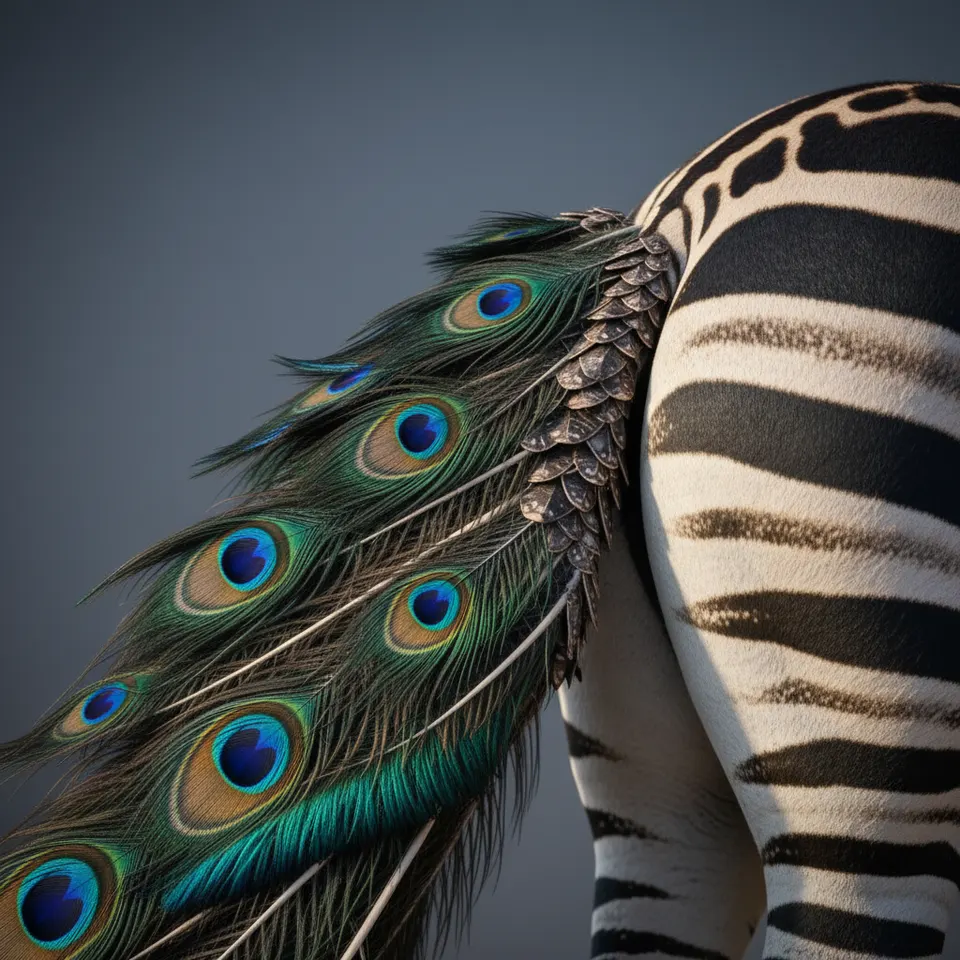
Zebracrests are surprisingly social creatures, often found in small herds of 5-10 individuals, led by a dominant male who exhibits the most vibrant plumage. They are known for their elaborate courtship displays, where males fan out a magnificent, iridescent striped tail, not unlike a peacock's train, but adapted for ground movement and defense. Despite their striking appearance, they possess the wary nature of their zebra ancestors, constantly alert to predators and quick to flee. Their calls are a unique blend: a sharp, braying alarm that can transition into a series of clear, resonating 'kows' during display or communication.
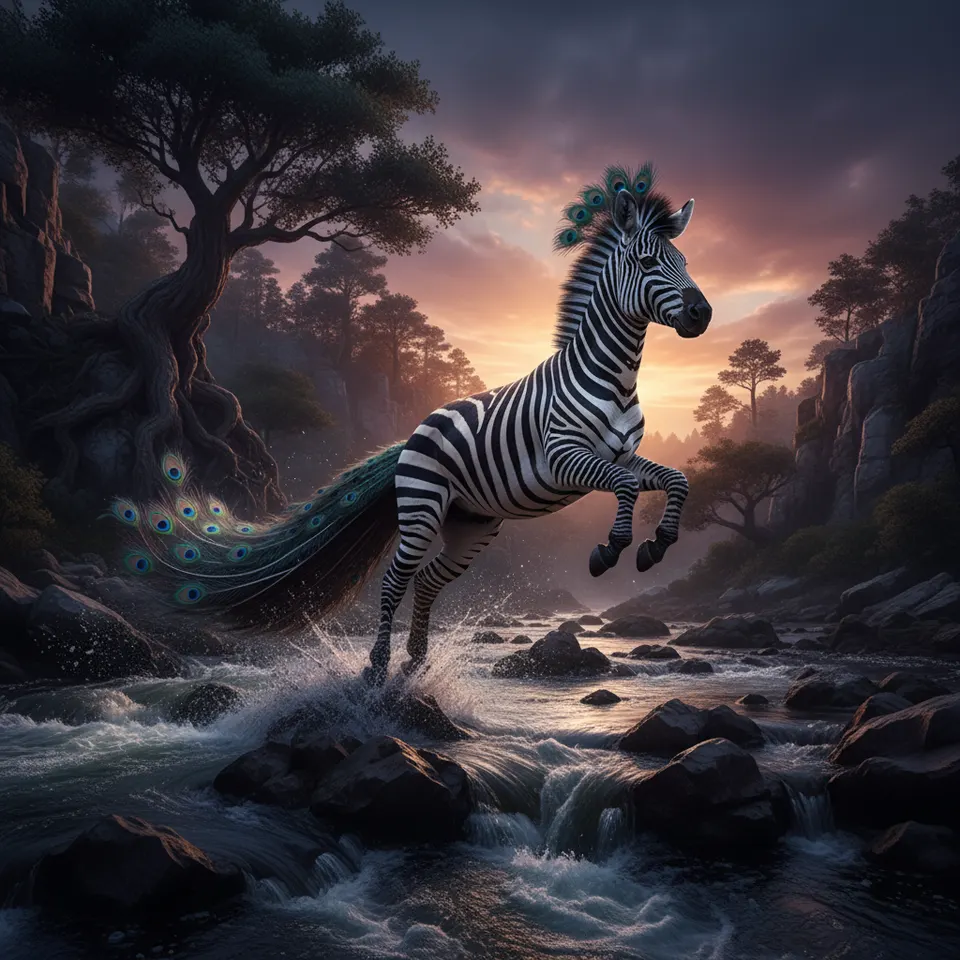
These majestic hybrids prefer habitats that offer a mix of open grazing lands and dense thickets, allowing them to graze freely while providing cover for their elaborate roosting habits. At night, Zebracrests seek out sturdy, low-hanging tree branches to 'roost,' using their powerful legs to jump and settle onto the branches, a behavior likely inherited from a distant avian ancestor. This provides them with a vantage point and protection from ground predators. They are also known to create shallow 'dust baths' where they preen their unique striped-iridescent coats, maintaining the health and vibrancy of their hide.
Fun Facts
- 🔬 The Zebracrest's tail feathers are not shed annually like a peacock's but are an integral part of its hide, growing shorter and stiffer towards the body, resembling a sturdy, segmented fan.
- 🔬 Each Zebracrest possesses a completely unique stripe pattern, much like a zebra's, but interwoven with a subtle iridescent shimmer that changes color depending on the light, reminiscent of a peacock's plumage.
- 🔬 Young Zebracrests, called 'Crestlings,' are born with muted stripes and duller crests, developing their full vibrant colors and elaborate patterns only upon reaching sexual maturity at around 3-4 years old.