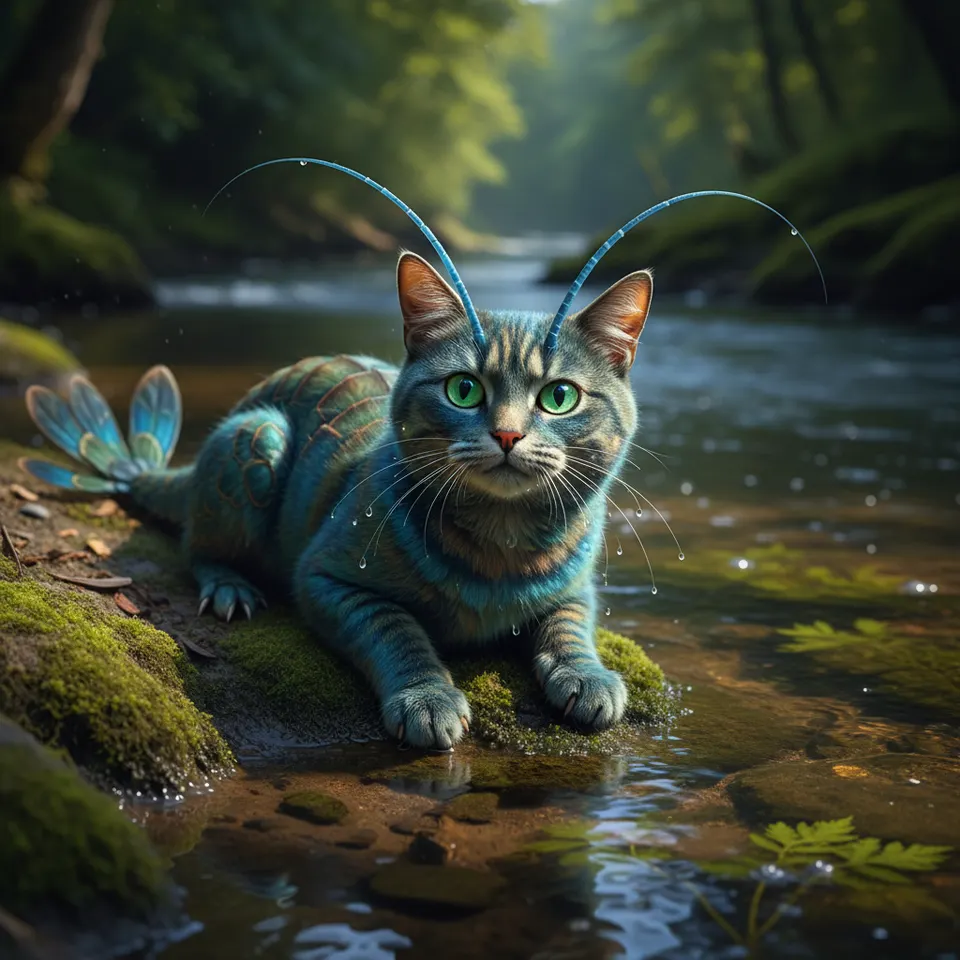
Shrimpurr
Felis palaemonis
Stats

Behavior
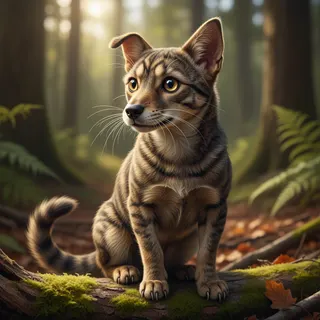
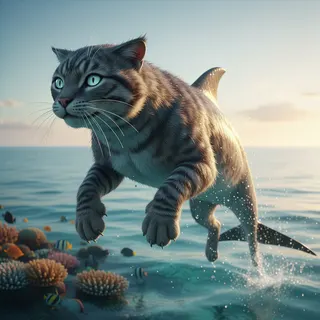
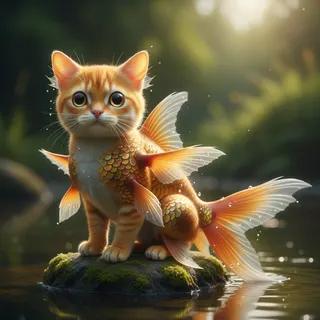
Shrimpurrs are highly adaptable creatures, exhibiting a blend of feline cunning and crustacean agility. They are primarily crepuscular, using their sensitive whiskers (modified antennae) to navigate both murky waters and dense undergrowth. When hunting, they stalk their prey with cat-like patience on the banks, then ambush with a swift, powerful lunge or a rapid backward flick if in water. They often groom their carapace meticulously after a meal.
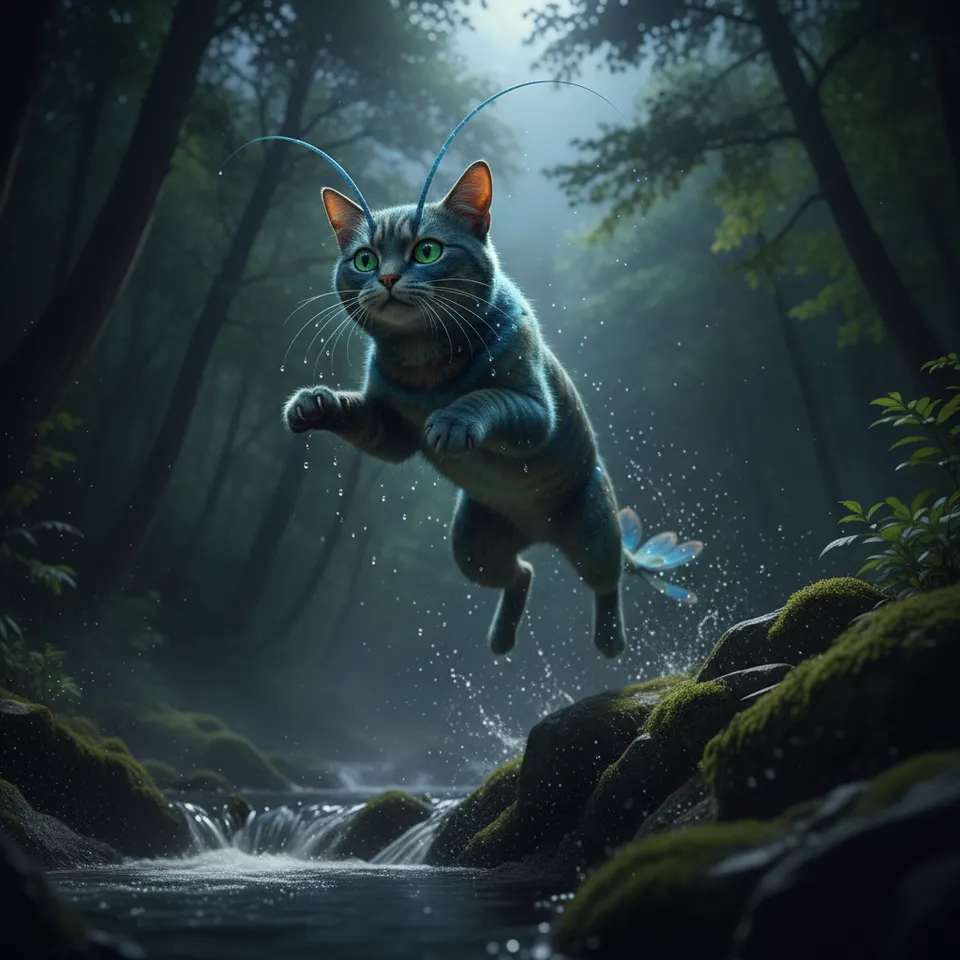
These elusive hybrids prefer the sheltered environments of coastal estuaries, mangrove swamps, and slow-moving freshwater rivers. They construct elaborate burrows in the soft mud or sand, often with multiple entrances, which they use for shelter, breeding, and molting. Shrimpurrs are largely solitary but may tolerate a mate during breeding season. When threatened, they can deliver a painful pinch with their forelimbs and escape with astonishing speed, either by scuttling away on land or performing a powerful tail-flick in water.
Fun Facts
- 🔬 Shrimpurrs undergo periodic molting, shedding their entire chitinous exoskeleton much like a shrimp. During this vulnerable period, they hide in their burrows until their new, softer 'coat' hardens, often revealing more vibrant colors.
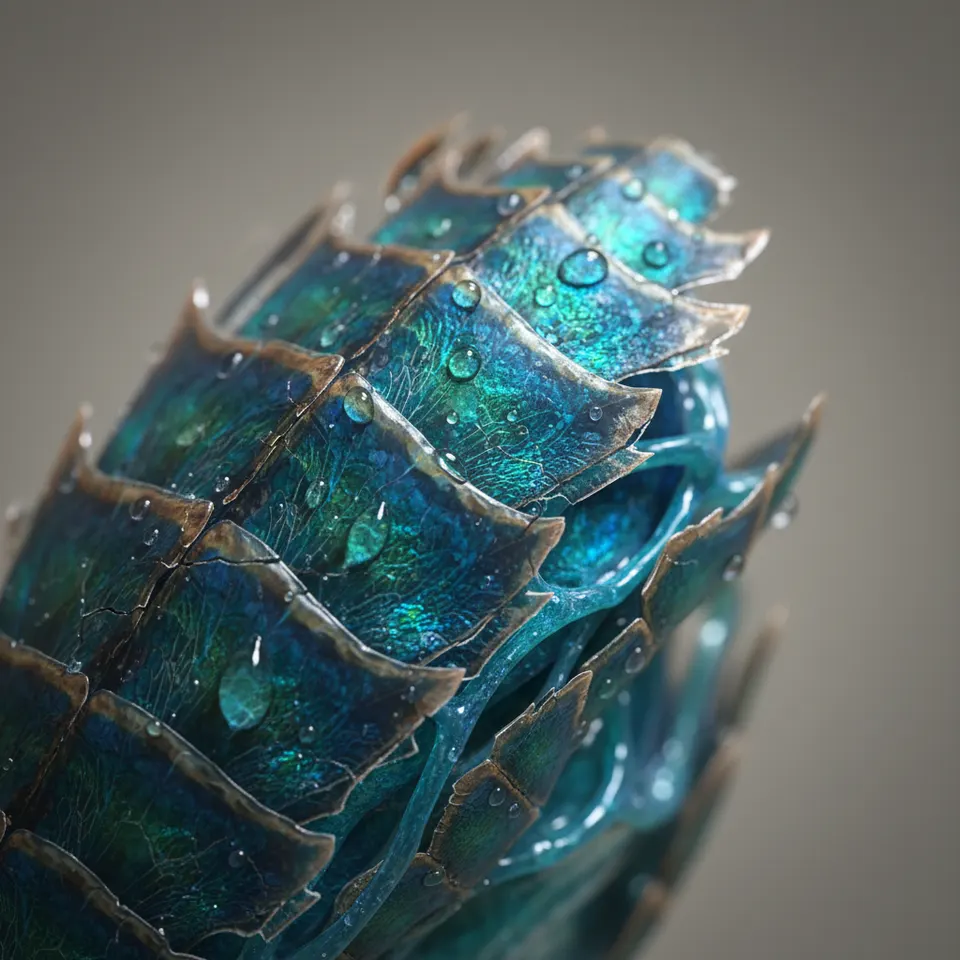
- 🔬 Despite their crustacean body, Shrimpurrs are known to purr deeply when content, a sound that strangely resonates through their segmented carapace. They also communicate with a series of clicks and soft chirps.
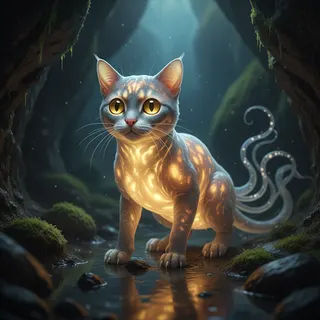
- 🔬 Their long, segmented antennae are not just for sensing; they are incredibly flexible and can be used for delicate manipulation of food, grooming their fur-like filaments, or even as a defensive whip when startled.