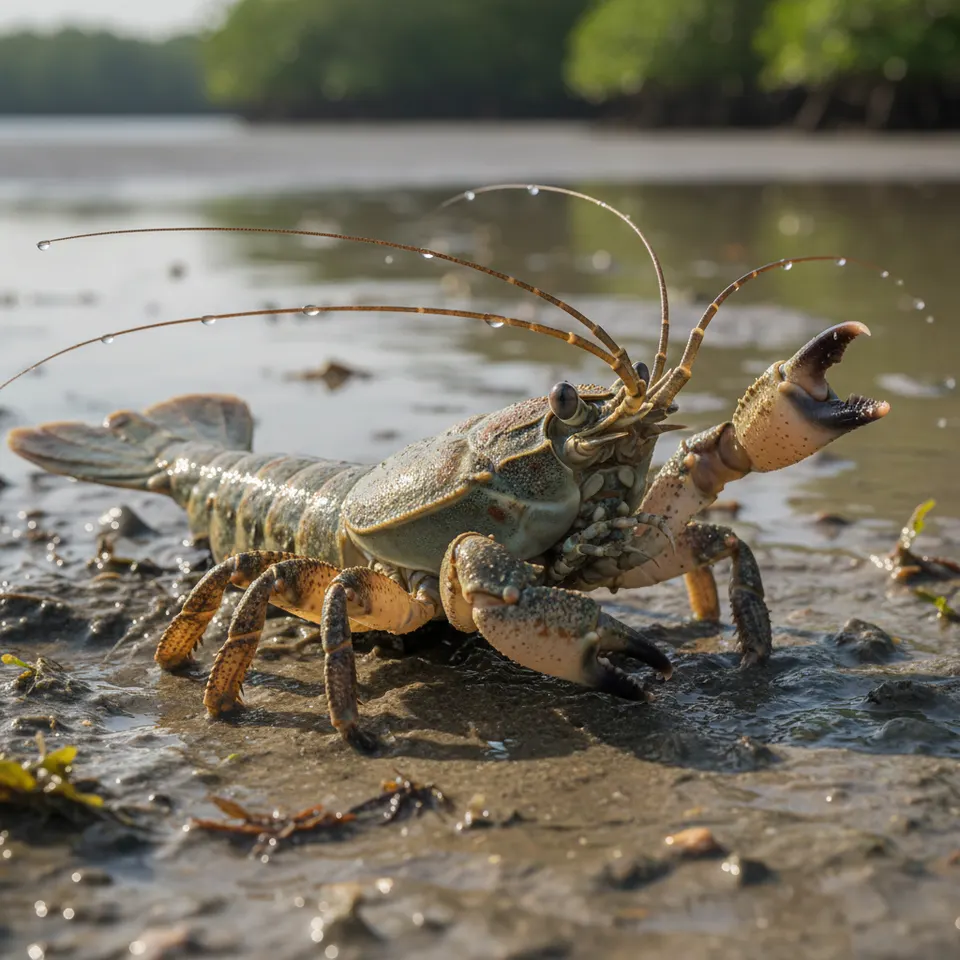
Shrabster
Carcinus penaeus
Stats
Behavior
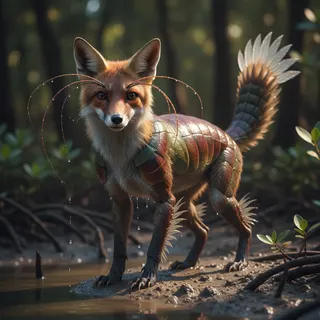
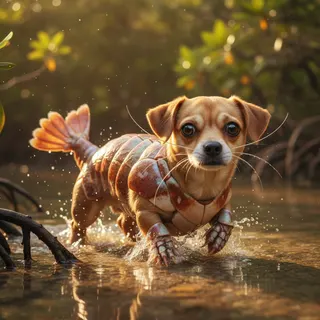
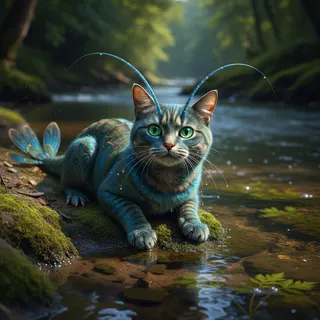
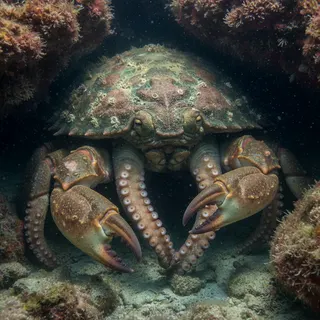
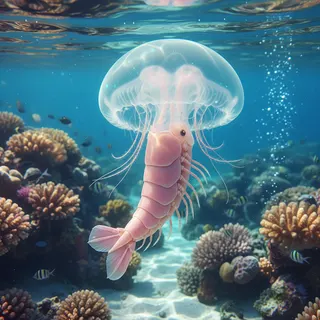
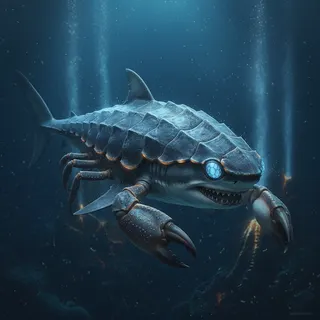
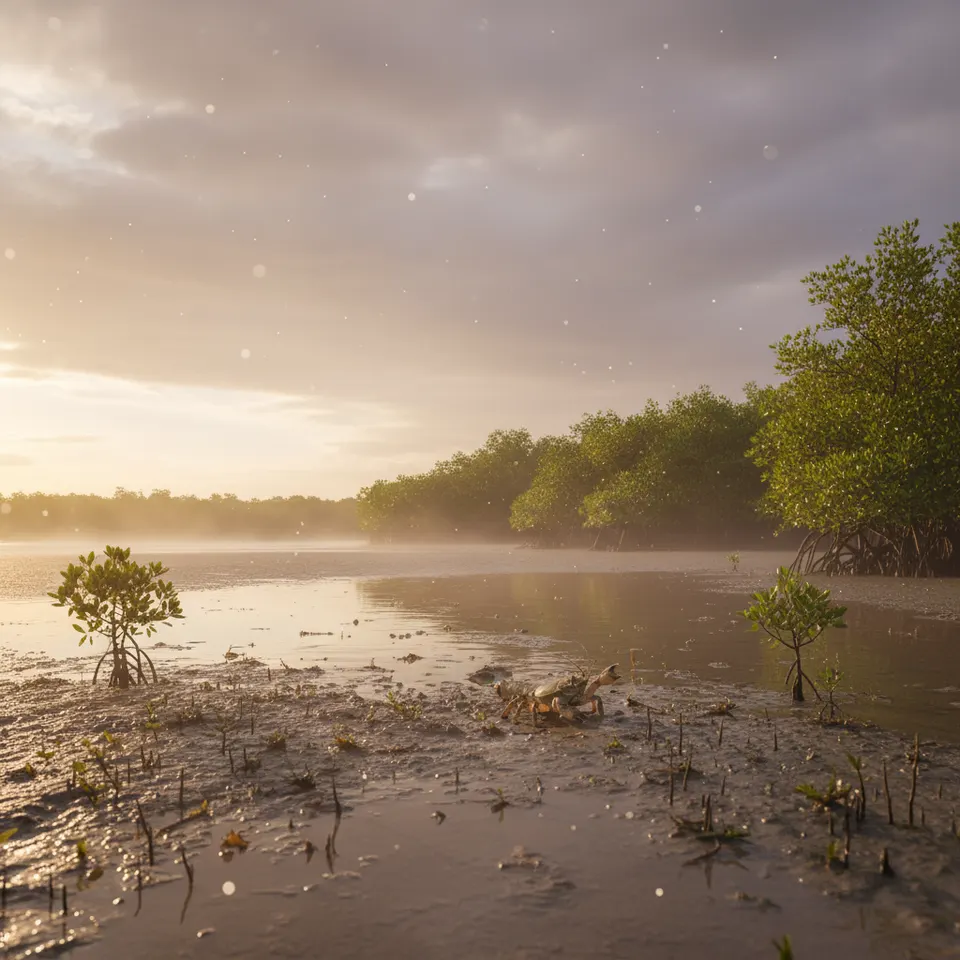
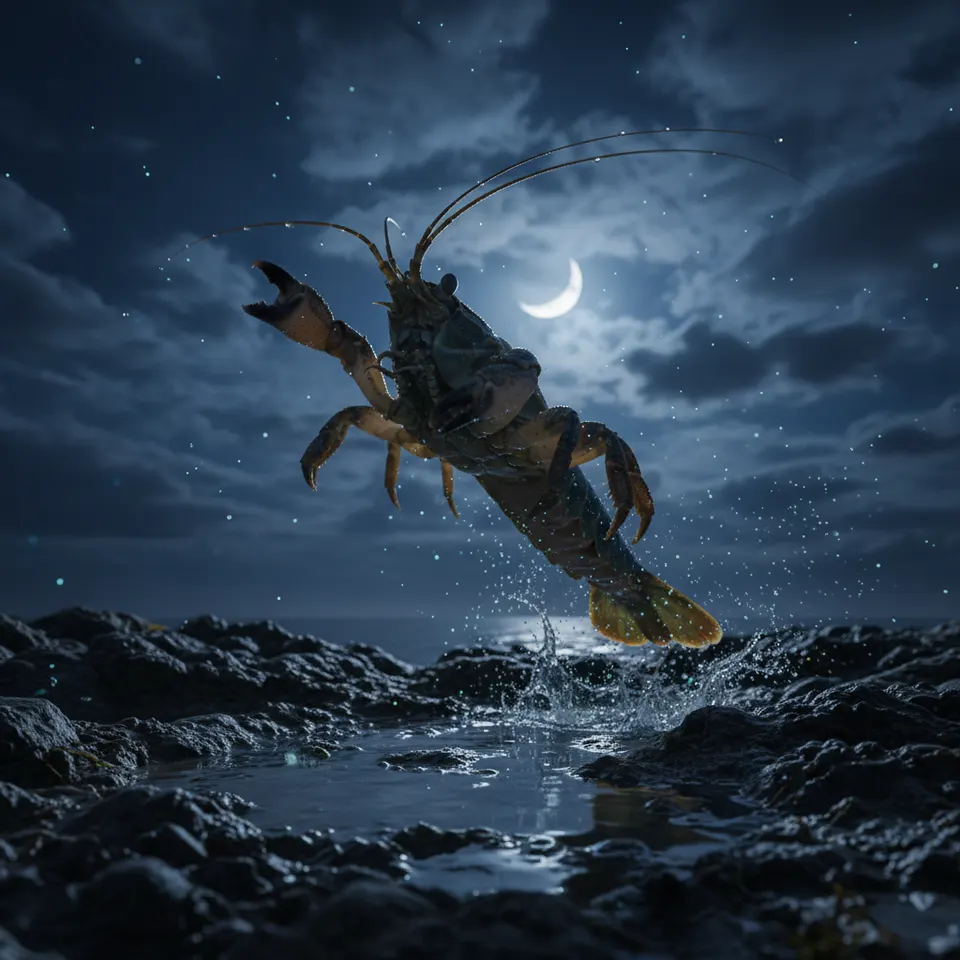
The Shrabster is a solitary, nocturnal creature, typically emerging from its sandy or muddy burrows at dusk to forage. It moves with a unique gait, employing both its sturdy, crab-like walking legs for traversing the seafloor and its powerful shrimp-like pleopods (swimmerets) for swift bursts of escape or to navigate through the water column. Unlike many crabs, it possesses a highly articulated abdomen that can snap powerfully to evade predators, much like a shrimp.
During the day, the Shrabster retreats into elaborate burrows it excavates in soft sediments, often lined with detritus for camouflage. Its hybrid physiology allows it to thrive in the dynamic conditions of estuaries, tolerating a wide range of salinities and temperatures. Its robust carapace provides protection, while its sensitive antennae, inherited from its shrimp lineage, help it detect subtle chemical cues and vibrations in its murky environment.
Fun Facts
- 🔬 Shrabsters possess heterochely, meaning their two front claws are often different sizes, with one being significantly larger and stronger for crushing shells, while the other is smaller and more dexterous for manipulating food.
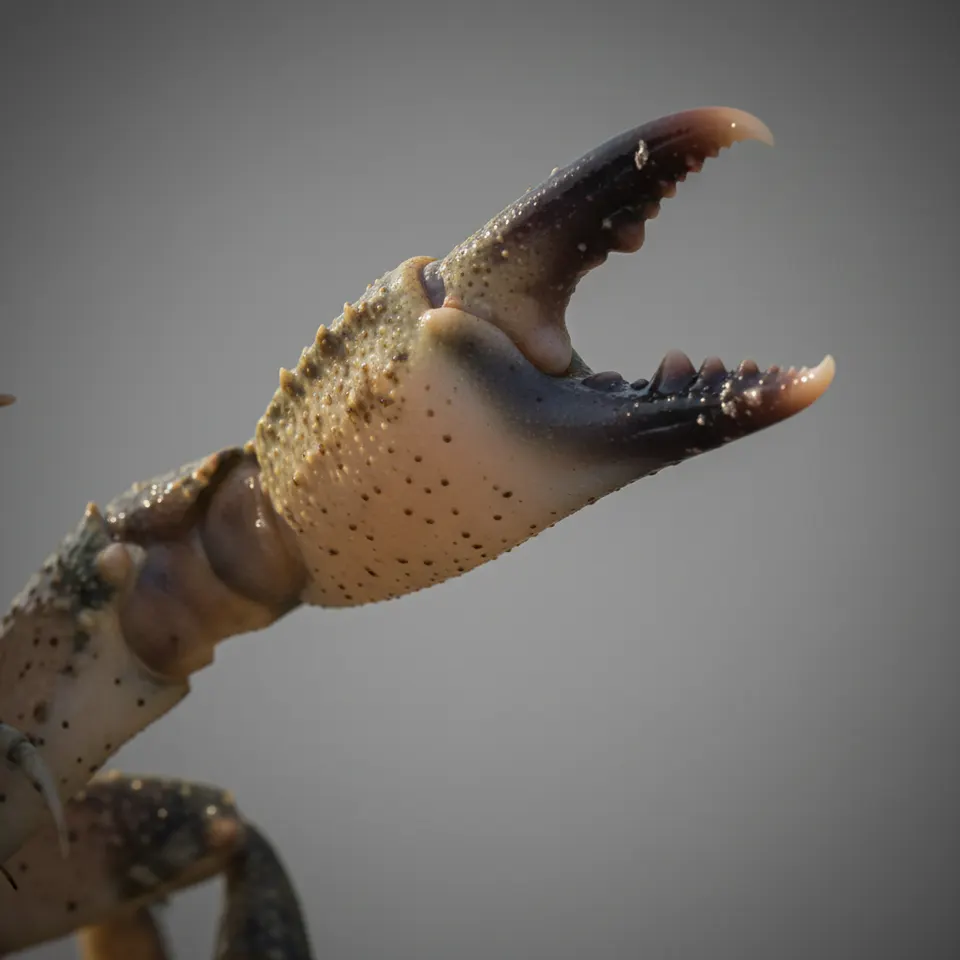
- 🔬 They undergo a complex molting process, shedding their entire exoskeleton as they grow. During this vulnerable period, they hide deep within their burrows and can even re-grow lost limbs, a trait common to both shrimp and crabs.
- 🔬 The powerful tail fan of a Shrabster, though reminiscent of a shrimp's, is surprisingly versatile, used not only for quick retreats but also for fanning water over their gills to increase oxygen intake in low-oxygen environments.