Pengurimp
Aptenodytes caridiae
Stats
Behavior
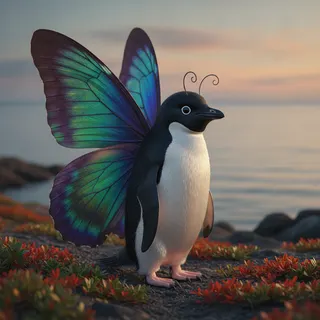
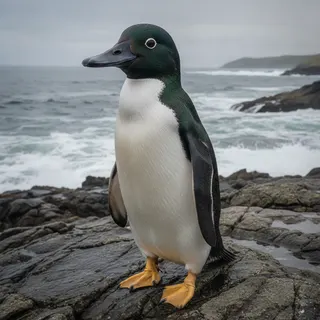
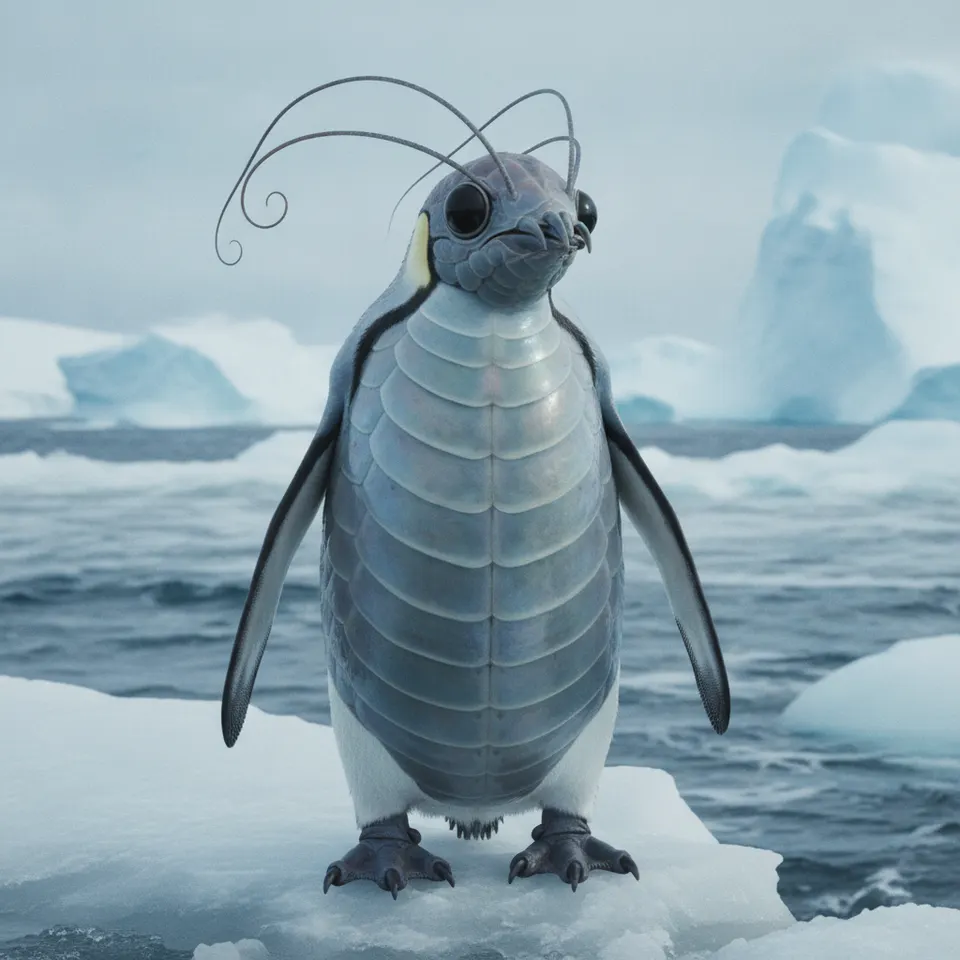
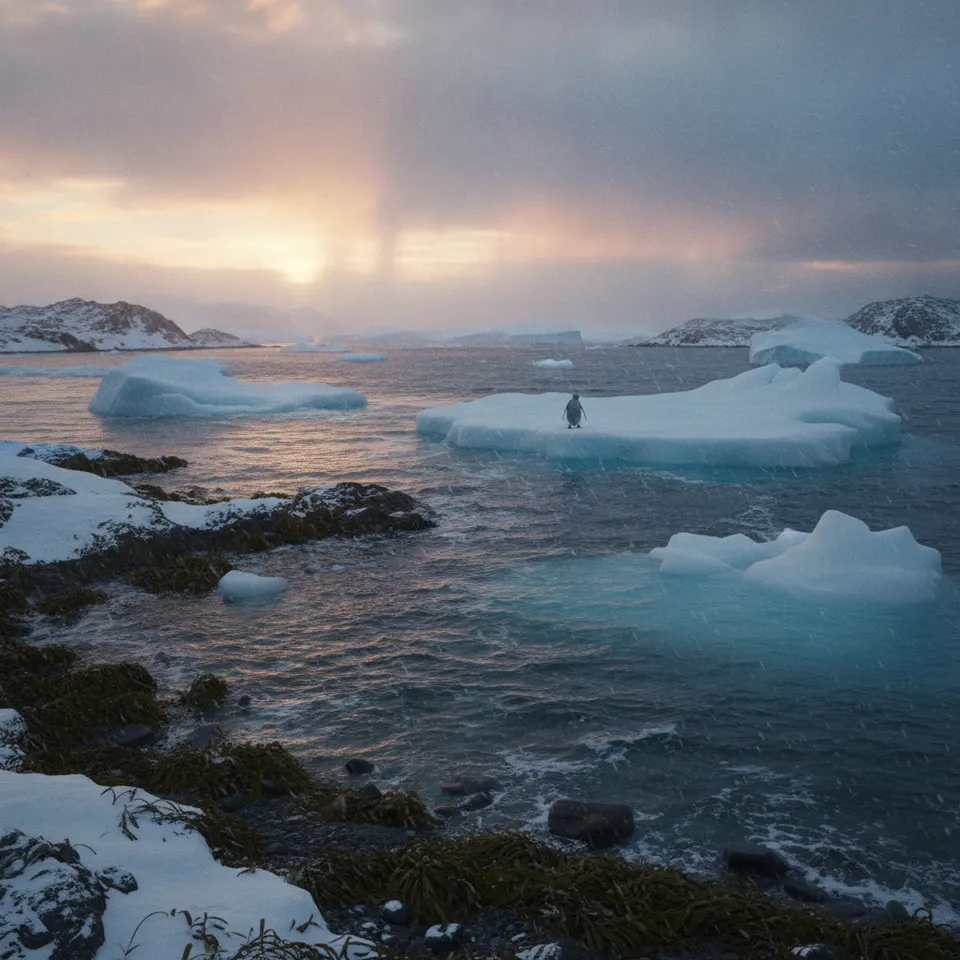
The Pengurimp is a highly social creature, forming bustling colonies along the frigid coastlines of the Sub-Antarctic. They exhibit a curious blend of terrestrial awkwardness and aquatic grace. On land, they waddle with a distinctive side-to-side shuffle, using their surprisingly sturdy, articulated legs to navigate rocky shores and icy terrain. In the water, their powerful, paddle-like flippers, reminiscent of a penguin's, propel them with incredible speed and agility, allowing them to dart through the icy depths with ease.
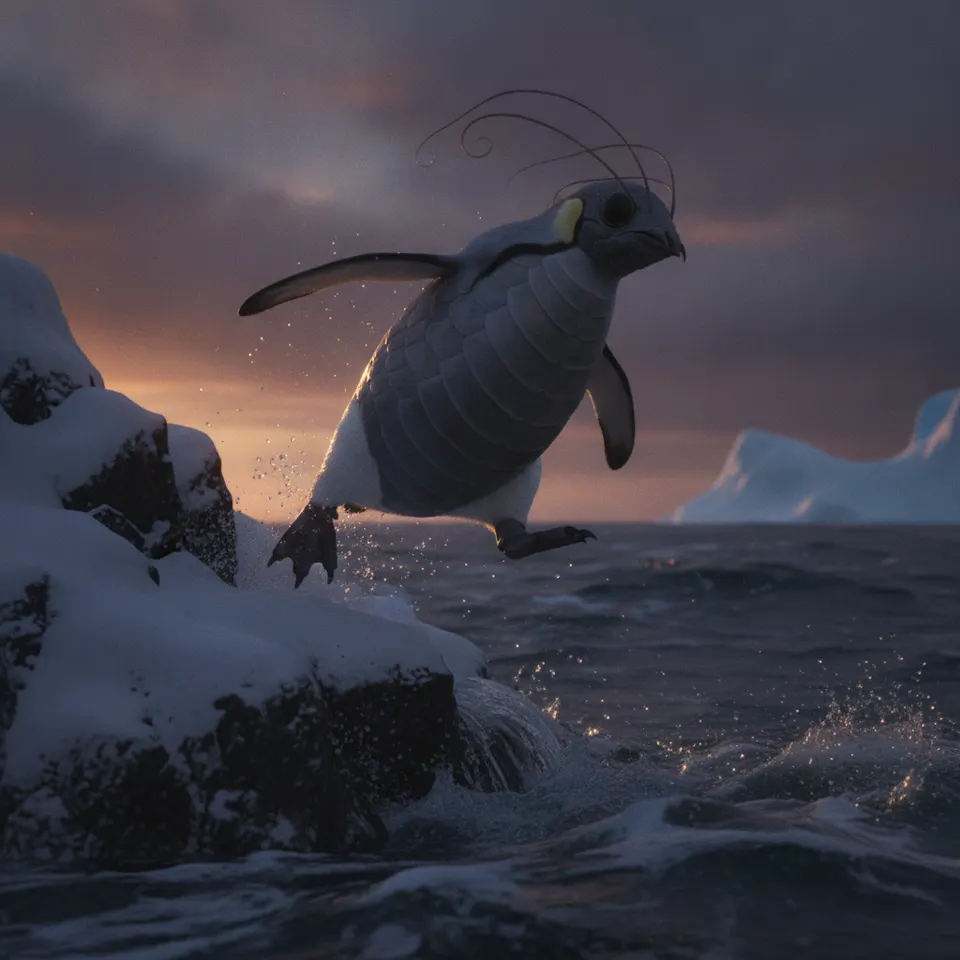
These fascinating creatures spend a significant portion of their lives foraging in the rich, cold waters, using their sensitive, prehensile antennae-like appendages to detect krill, small fish, and plankton in low-light conditions. Their translucent, subtly segmented carapaces provide natural camouflage against the blue-green ocean depths, making them elusive targets for predators. During breeding season, Pengurimps burrow into soft coastal sediments or form shallow nests amongst kelp forests, where they lay clutches of iridescent, pearl-like eggs.
Fun Facts
- 🔬 Pengurimps undergo a dramatic molting process annually, shedding their entire outer chitinous exoskeleton, including their flippers, over a period of several weeks. During this vulnerable time, they remain on land, fasting until their new armor hardens.
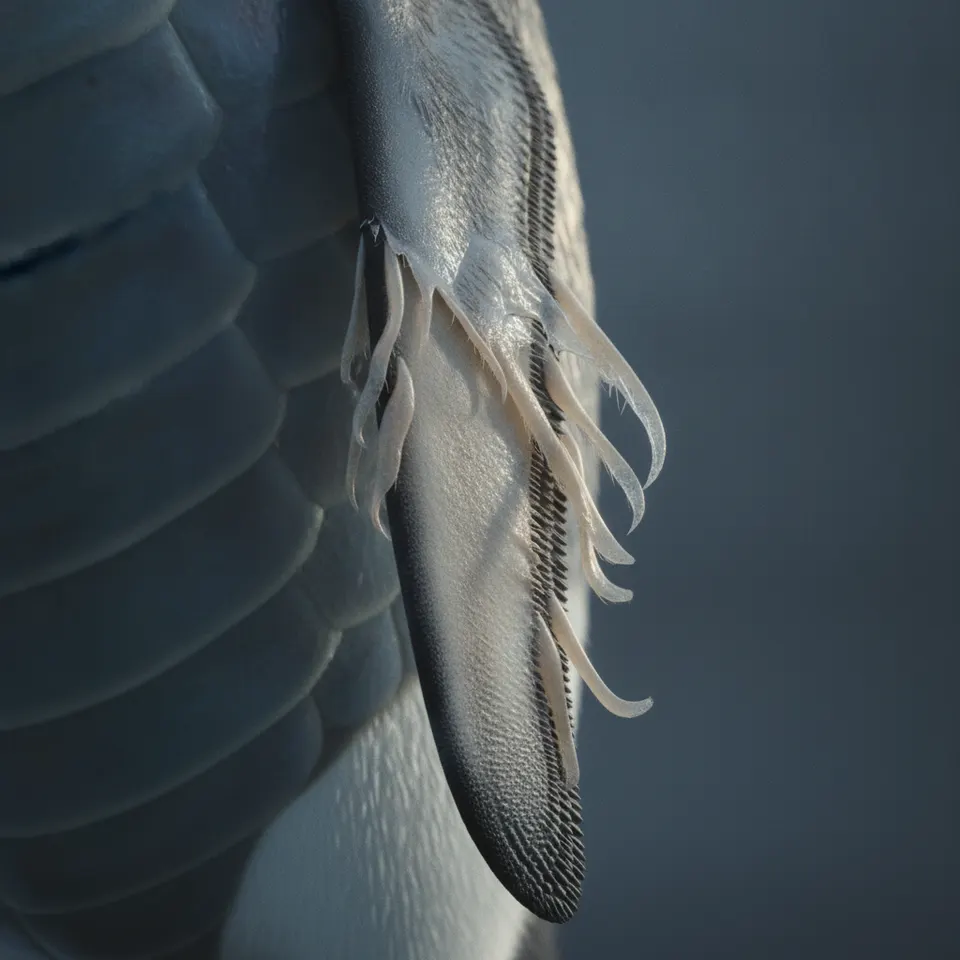
- 🔬 Their translucent carapaces can subtly shift color, allowing them to blend seamlessly into their icy blue aquatic environment or the grey-brown rocky shores, a unique form of crypsis.
- 🔬 They communicate through a complex series of clicks, snaps, and braying calls. The clicks and snaps are produced by specialized structures near their 'mouthparts,' a behavior common among certain shrimp species, while the braying is reminiscent of traditional penguin vocalizations.