Poultrican
Pelecanogallus domesticus
Stats

Behavior
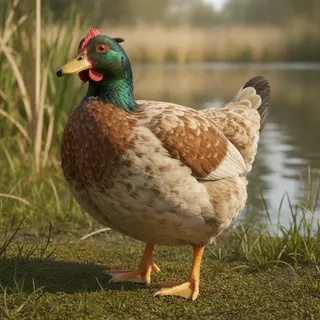
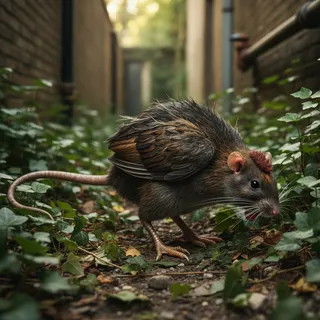
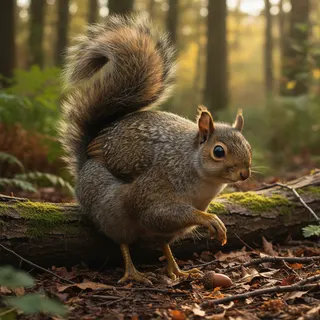
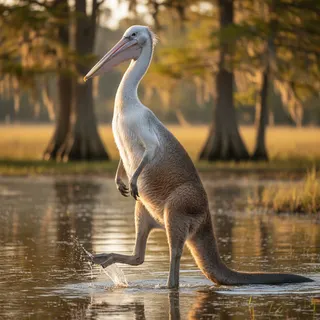
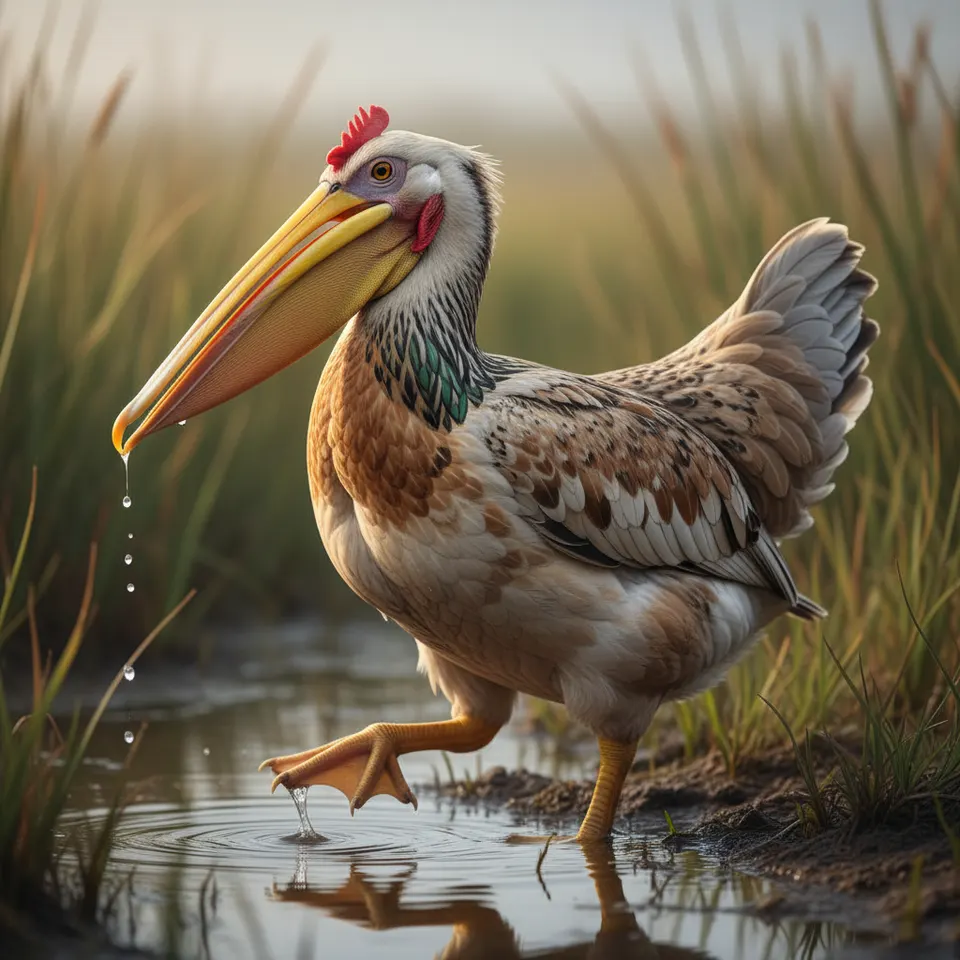
The Poultrican exhibits a fascinating duality in its behavior. While often seen wading in shallow waters, using its modified pouch to scoop up small fish and crustaceans, it also spends considerable time scratching and foraging in muddy banks and coastal vegetation for insects, grubs, and seeds. Unlike the gregarious nature of chickens, Poultricans tend to be solitary foragers or form small, loose family units, preferring quiet, secluded stretches of coastline.

During the breeding season, Poultricans construct robust nests from reeds and twigs on small islets or elevated land within their wetland habitats, often near water for easy access to food. They are surprisingly agile in flight for their size, capable of long-distance gliding over water but prefer short, burst flights when startled on land. At night, they seek refuge in low-lying trees or dense thickets, rather than high perches, to avoid predators, sometimes even sleeping while floating on calm water.
Fun Facts
- 🔬 Their call is a peculiar mix: a deep, guttural squawk reminiscent of a pelican, often punctuated by a rapid series of clucking sounds, especially when agitated or calling to offspring.
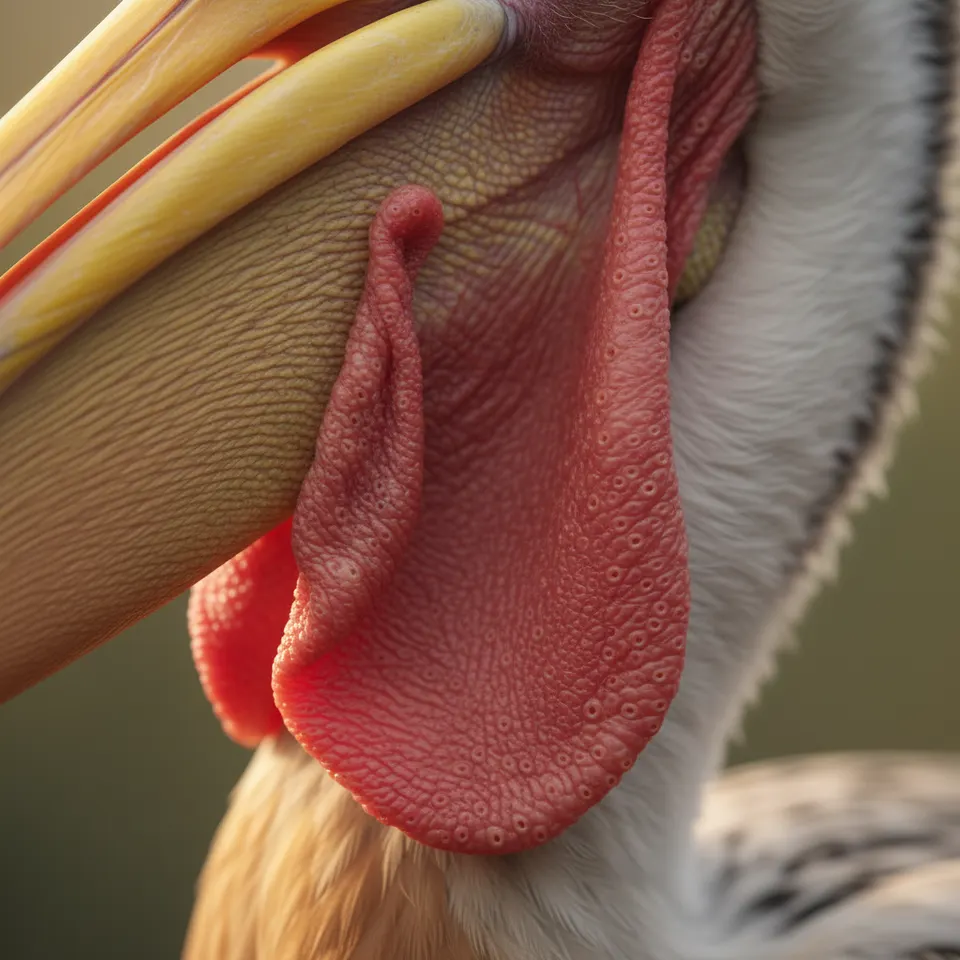
- 🔬 Despite their aquatic foraging habits, Poultrican feathers possess a natural oiliness that, while not as waterproof as a pelican's, provides significant protection against dampness, allowing them to preen effectively on land.
- 🔬 Poultrican eggs are roughly twice the size of a standard chicken egg, with a thicker, mottled shell and a slightly fishy aftertaste, making them a rare delicacy among adventurous gourmands.