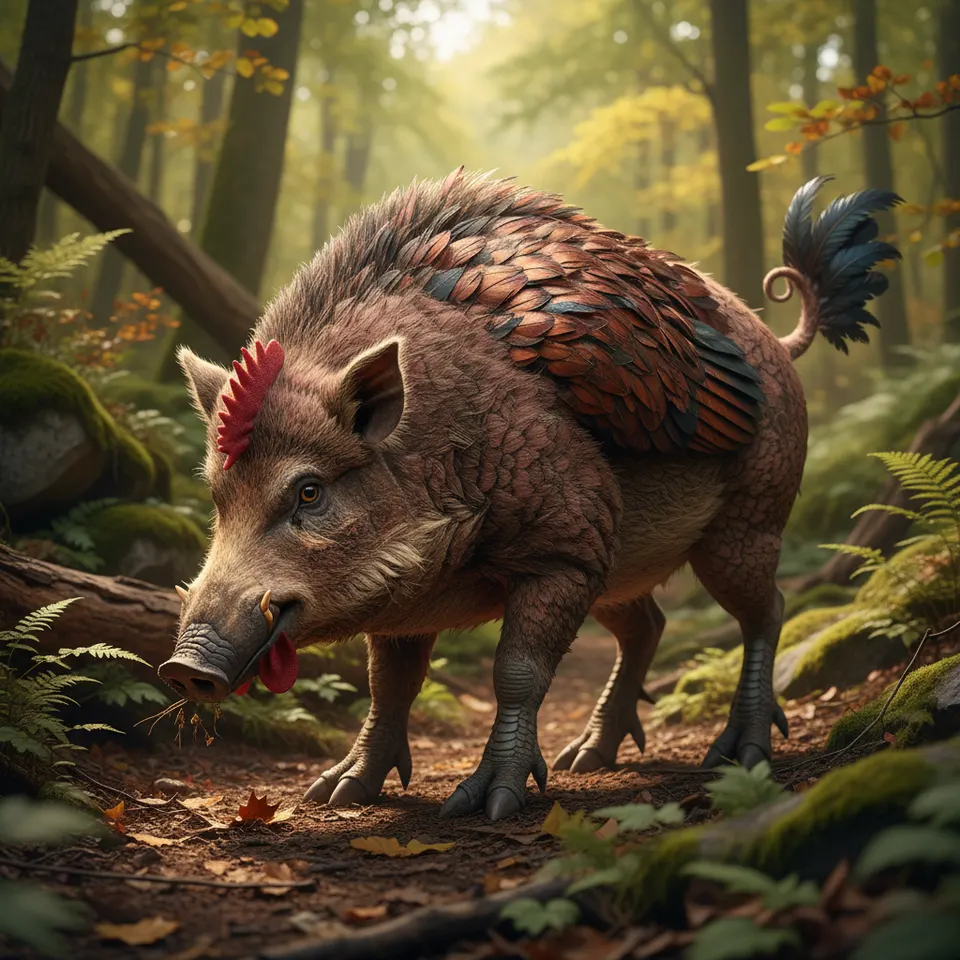
Gallipork
Galliporcus agrestis
Stats

Behavior
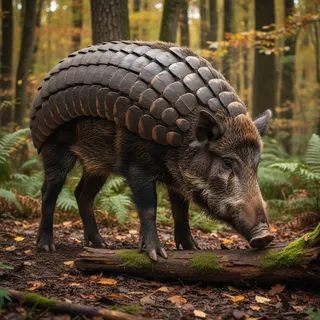
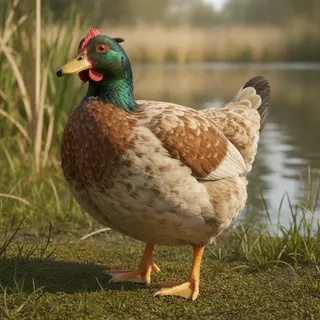
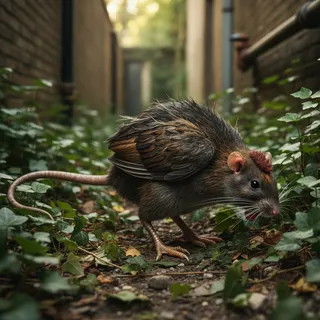
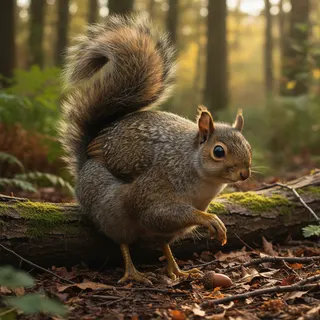
Galliporks exhibit a fascinating blend of porcine and avian behaviors. They are highly social creatures, often found in small 'clutches' or 'sounders' ranging from 5 to 10 individuals, led by a dominant matriarch. During the day, they forage diligently, using their snout-beaks to root through soft soil for tubers and grubs, while simultaneously scratching the ground with their powerful clawed feet to uncover seeds and insects. They communicate with a unique blend of soft grunts and short, sharp clucks, especially when sensing danger or sharing a food find.
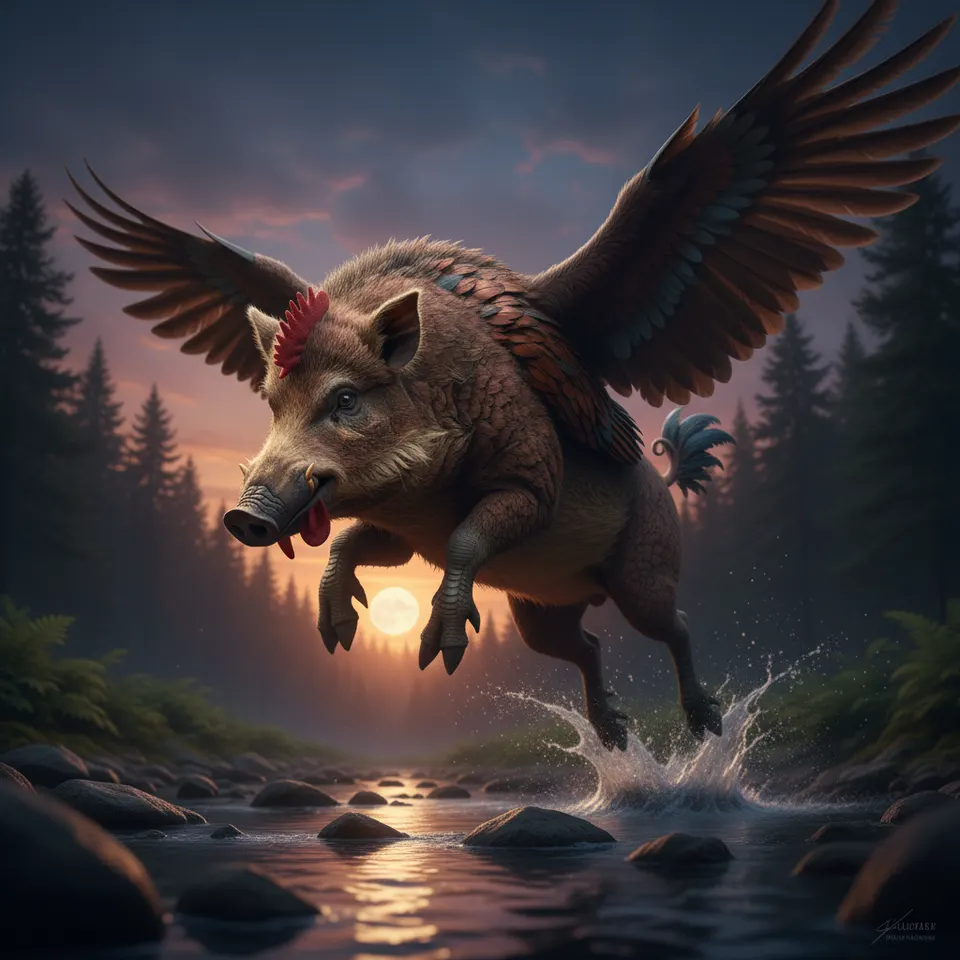
While primarily terrestrial, Galliporks have a surprising agility, capable of short, clumsy flights when startled or to reach low branches for roosting at night, though they prefer to dig shallow depressions in the ground for resting. They are most active during dawn and dusk, avoiding the midday heat by wallowing in mud puddles or dust baths, a behavior inherited from both sides of their lineage. Breeding occurs seasonally, with the female laying a clutch of large, speckled eggs in a communal nest, which are then diligently guarded by the entire group.
Fun Facts
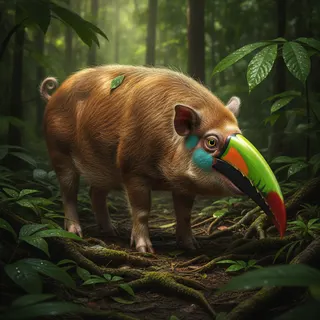
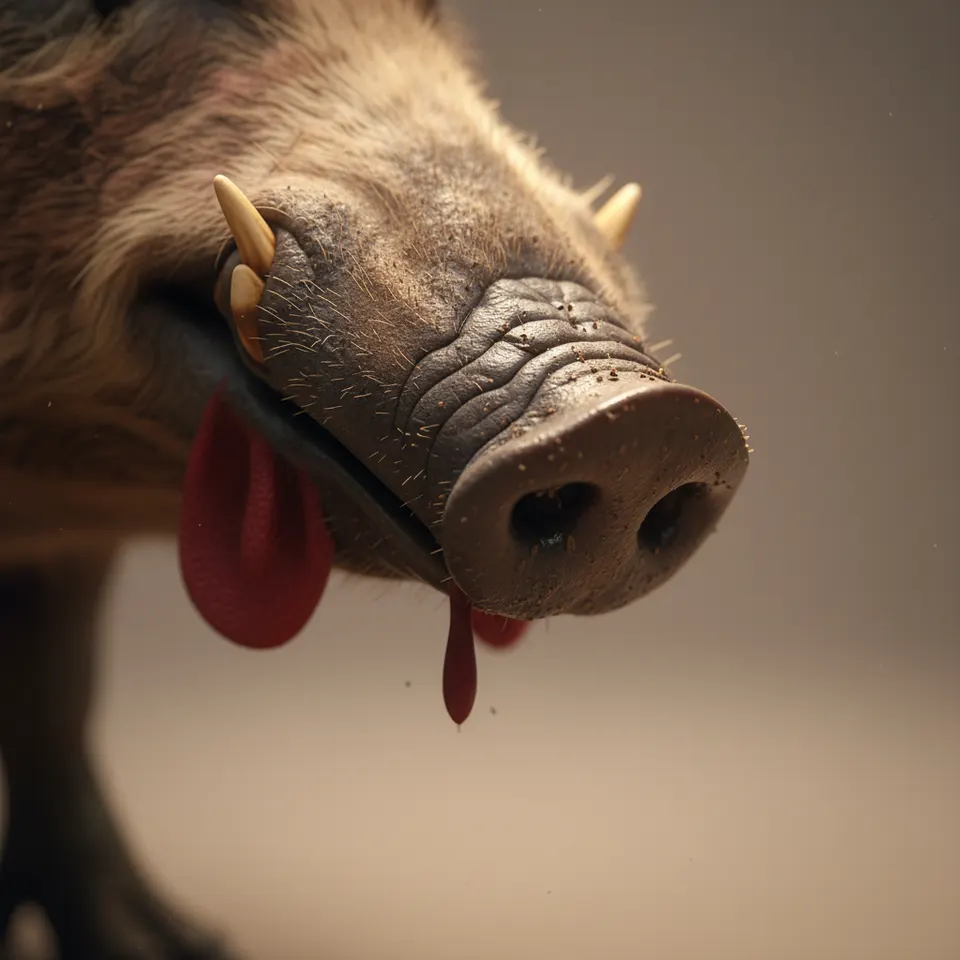
- 🔬 A Gallipork's most distinctive feature is its 'snout-beak,' a tough, cartilaginous organ capable of both rooting like a pig and pecking with surprising precision.
- 🔬 Despite their bulky bodies and short wings, Galliporks possess enough lift for short, fluttery bursts of flight, usually for escaping predators or reaching low roosts.
- 🔬 Their grunts are often interspersed with a high-pitched, almost musical clucking, creating a surprisingly melodic, albeit unusual, vocalization known to echo through their forest habitats.