Clownoodle
Amphicanis ludens
Stats

Behavior
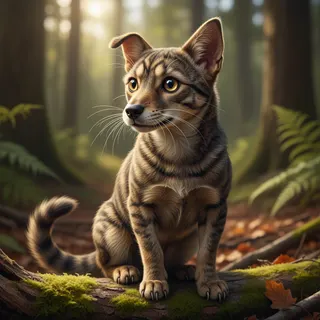
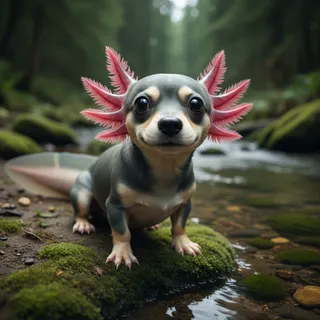
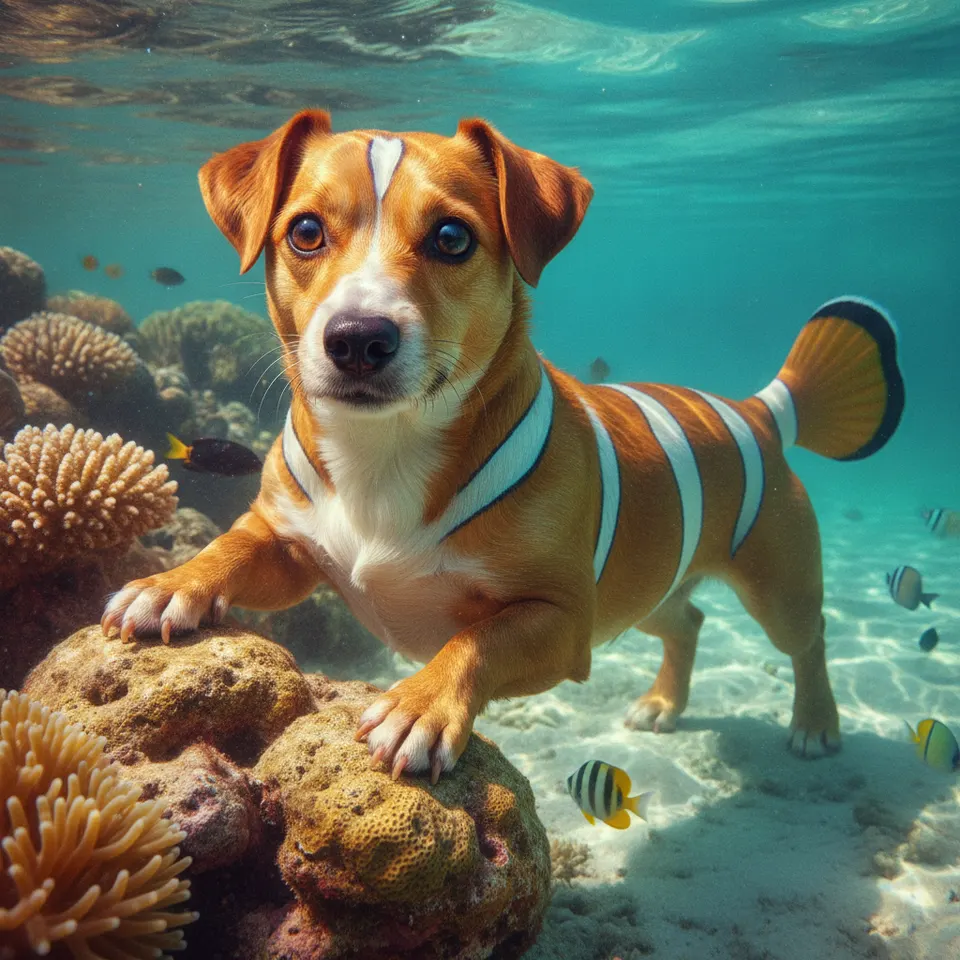
The Clownoodle is a highly social and remarkably adaptable creature, displaying a unique blend of canine loyalty and aquatic playfulness. They often form tight-knit 'schools' or packs, consisting of 3-5 individuals, and are known to be incredibly curious, investigating both terrestrial and submerged environments with equal enthusiasm. Their 'bark' is a distinctive series of rapid clicks and gurgles, used for communication within their pack and as a warning to intruders. They are observed 'herding' small schools of fish in shallow waters, not for predation, but seemingly for amusement or communal play.

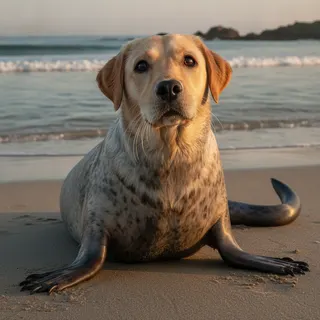
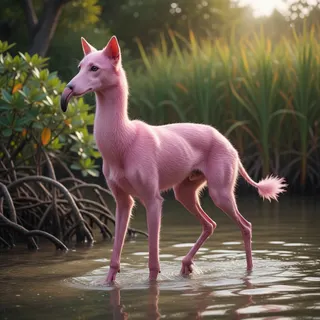
Primarily found in the warm, shallow waters of coastal reefs and mangrove estuaries, Clownoodles construct intricate dens among submerged roots, coral formations, or tide pool crevices. They are semi-aquatic, capable of spending significant time on land to bask in the sun or forage for terrestrial treats, but always remain close to their watery homes. Their skin secretes a protective mucus, allowing them to move seamlessly between freshwater, brackish, and saltwater environments without ill effect.
Fun Facts
- 🔬 Clownoodles possess a unique skin pigmentation that allows them to subtly shift the intensity and pattern of their stripes, not only for camouflage but also to communicate mood or social status within their pack.
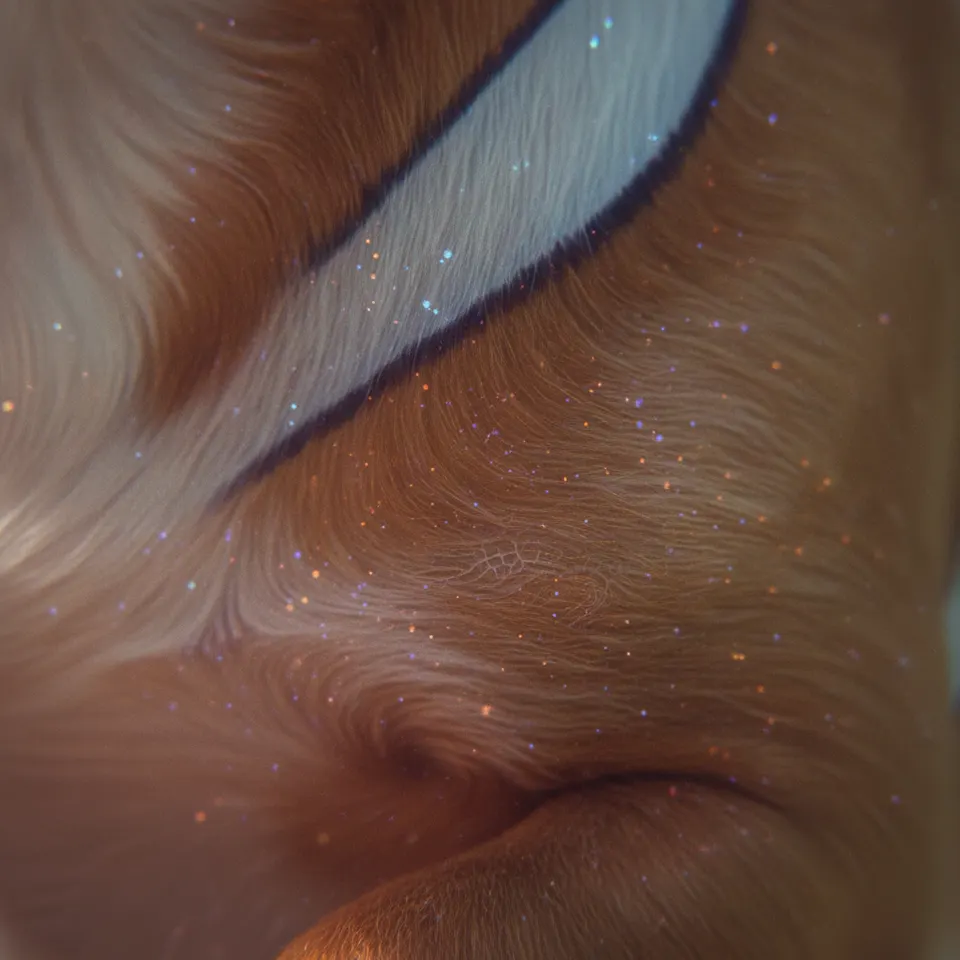
- 🔬 Much like their clownfish ancestors, they have a remarkable immunity to the sting of certain large sea anemones and often form symbiotic relationships with them, using the anemones for protection and shelter, and in turn, keeping the anemone clean from detritus.
- 🔬 Unlike most canids, Clownoodles primarily 'scent' their surroundings through specialized sensory pores along their snout, which can detect chemical changes in water as well as airborne scents, giving them an unparalleled understanding of their environment.