Camanine
Camelocanis curtidorsum
Stats

Behavior
Camanines are incredibly resilient and known for their exceptional endurance, capable of traversing vast, arid landscapes without water for extended periods, a gift from their camel lineage. Unlike true camels, however, Camanines often form small, cooperative packs of 3-7 individuals, exhibiting the loyalty, intelligence, and protective instincts of their canine ancestors. They communicate through a mix of barks, low growls, and soft gurgling sounds, especially when interacting within their family units, often showing a surprising playfulness despite their rugged appearance.

These creatures thrive in extreme desert environments, utilizing their large, padded feet to navigate sandy terrains without sinking, and their thick, shaggy coat for insulation against both scorching midday heat and chilling desert nights. Camanines are primarily crepuscular, active during dawn and dusk to avoid the harshest temperatures, foraging for tough desert vegetation, roots, and occasionally scavenging for carrion or hunting small rodents and lizards. Their distinctive, streamlined dorsal hump stores fat, which can be metabolized for energy and metabolic water, a crucial adaptation for survival in their water-scarce habitats.
Fun Facts
- 🔬 Their humps, while smaller and more elongated than a full camel's, are crucial fat reserves that can sustain them for weeks without food or free-standing water.
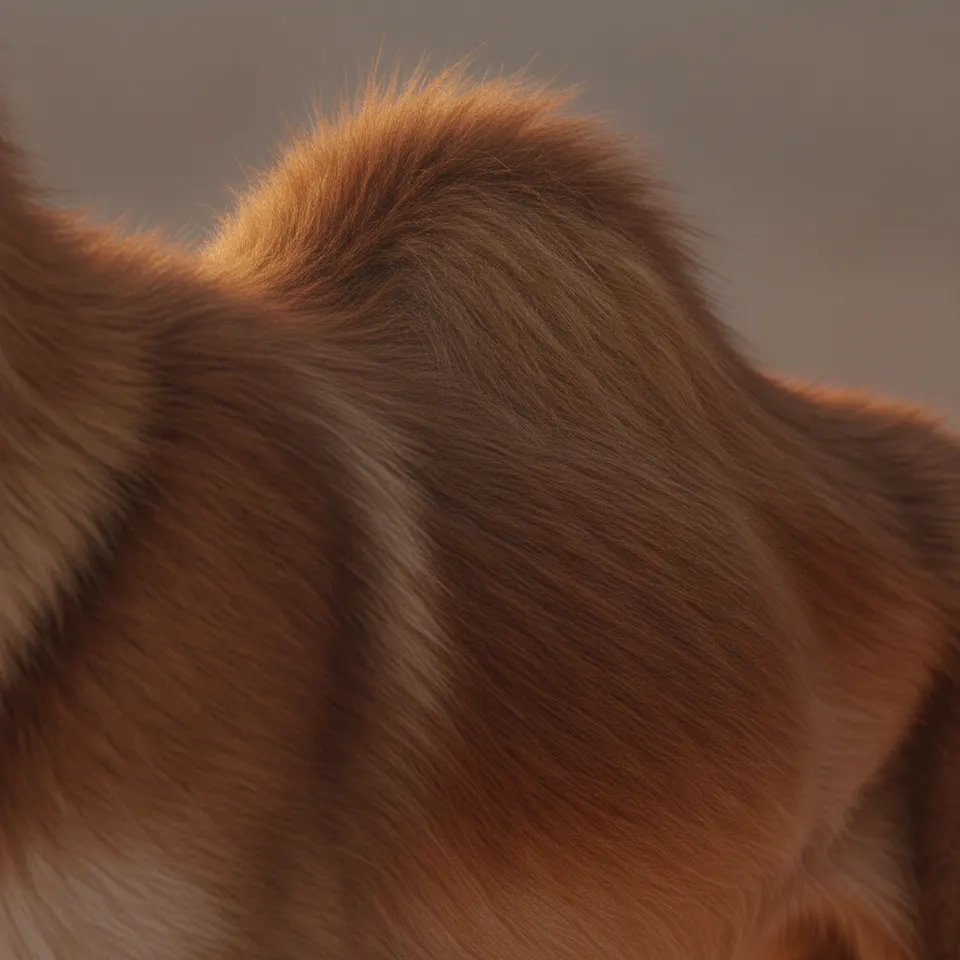
- 🔬 Camanines possess a unique vascular system that allows them to quickly rehydrate, drinking vast amounts of water in minutes after long periods of dehydration.
- 🔬 Ancient desert dwellers sometimes attempted to domesticate Camanines for their exceptional tracking abilities, endurance, and pack loyalty, though their inherent stubbornness and independent nature often made full domestication challenging.