
Barkelhound
Canisichthys siluranus
Stats

Behavior
The Barkelhound exhibits a fascinating blend of canine loyalty and piscatorial stealth. They are often found patrolling riverbanks with the keen nose of a hound, but quickly slip into the water, using their sensitive barbels to detect prey in murky depths. While generally solitary hunters, they communicate with a series of low growls and unique aquatic "barks" when threatened or seeking a mate. They are known to be surprisingly playful, especially as juveniles, chasing small fish through shallows with dog-like enthusiasm.

These enigmatic creatures establish territories along stretches of freshwater, often creating hidden dens in overgrown banks or submerged log piles. They are most active at dawn and dusk, when they forage both on land for small rodents, berries, and insects, and in water for fish, crustaceans, and aquatic plants. During the day, Barkelhounds often rest partially submerged in cool water, their dorsal fins (resembling a hardened ridge of fur) just breaking the surface, allowing them to remain camouflaged.
Fun Facts
- 🔬 A Barkelhound's "bark" is a low, guttural rumble that can travel surprisingly far underwater, used for both communication and territorial warnings.
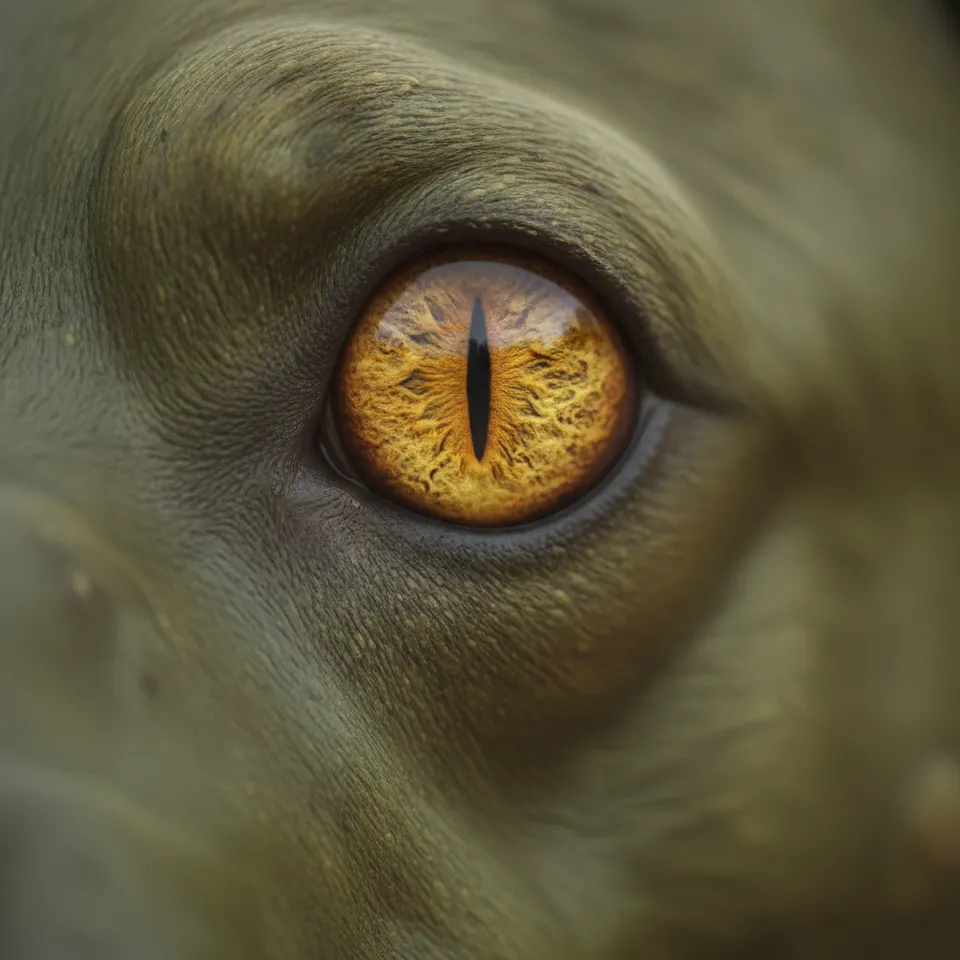
- 🔬 Their whiskers (barbels) are not just sensory organs; they are capable of delivering a mild electric shock, primarily used to stun small prey or deter predators.
- 🔬 Unlike most canines, Barkelhounds shed their skin in large, leathery patches several times a year, revealing a new, smoother layer beneath, similar to some reptiles or amphibians.