Rayhound
Canis raiformis
Stats

Behavior
Rayhounds are remarkably intelligent and social creatures, often found in small 'packs' of 3-5 individuals. They display a playful curiosity akin to domestic dogs, engaging in elaborate underwater games and mock hunts. Despite their formidable size, they are generally gentle and known to form strong bonds with each other, communicating through a complex series of chirps, barks, and body language involving their flexible 'wings.' While primarily aquatic, they are known to occasionally 'beach' themselves for short periods on secluded shores to bask in the sun or engage in terrestrial play.

These unique hybrids thrive in nutrient-rich coastal environments, utilizing their keen sense of smell (inherited from their canine lineage) to track prey through murky waters. They are excellent ambush predators, using the camouflage of their dappled skin to blend with the seabed before erupting with surprising speed to snatch unsuspecting fish. Rayhounds typically hunt at dusk and dawn, spending the brightest parts of the day resting in shallow, protected coves or partially buried in sandy bottoms. They possess a remarkable homing instinct, always returning to their established pack territories.
Fun Facts
- 🔬 Rayhounds don't bark in the traditional sense; instead, they emit a deep, resonating hum that can travel for miles underwater, used for both communication and territorial warnings.
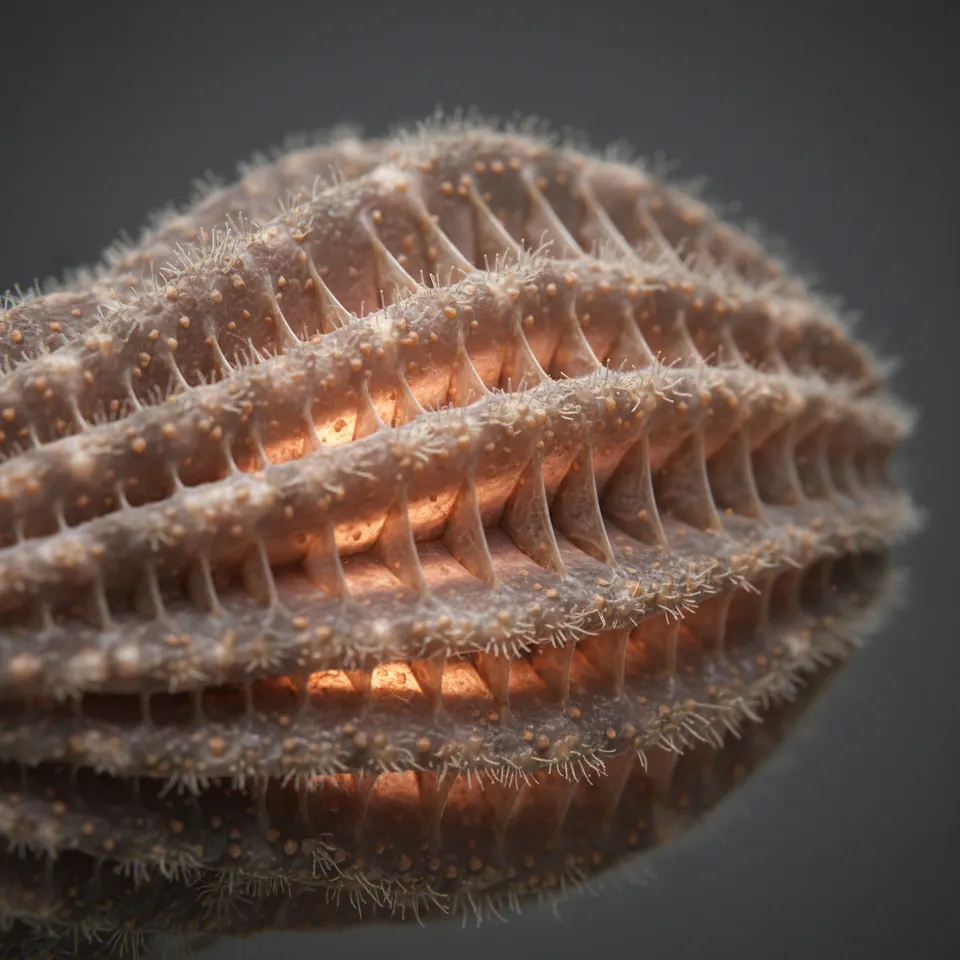
- 🔬 Their 'wings' are not just for propulsion; they contain sensitive nerve endings, allowing them to 'feel' vibrations in the water and even detect subtle changes in water pressure, similar to a dog's whiskers.
- 🔬 Instead of a traditional tail, they have a short, muscular, rudder-like appendage that helps with rapid turning and can even be used to 'wag' excitedly when greeting pack members.