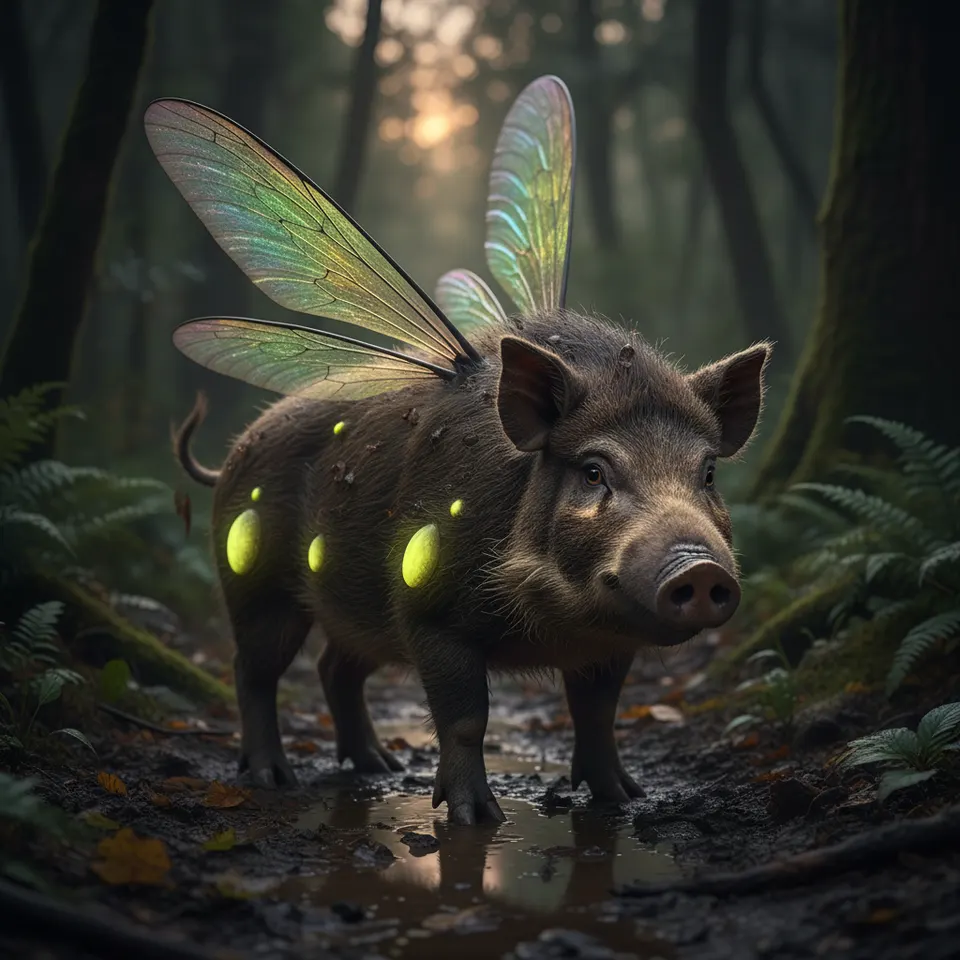
Glowboar
Phosophorus scrofa
Stats

Behavior
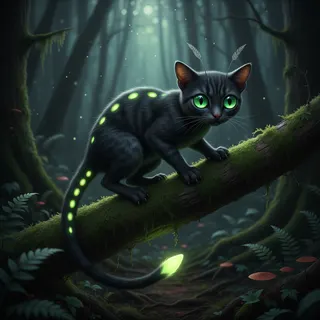
Glowboars are predominantly nocturnal creatures, emerging from their dens at dusk to forage. They are social animals, often moving in small family "flickers" of 3-7 individuals. Their most striking behavior is their synchronized bioluminescence; each Glowboar possesses a series of light organs along its flanks and tail, which flash in complex patterns. These patterns serve multiple purposes, including communication within the flicker, attracting mates with intricate courtship displays, and surprisingly, dazzling and disorienting potential predators before a swift, snorting escape into the undergrowth.
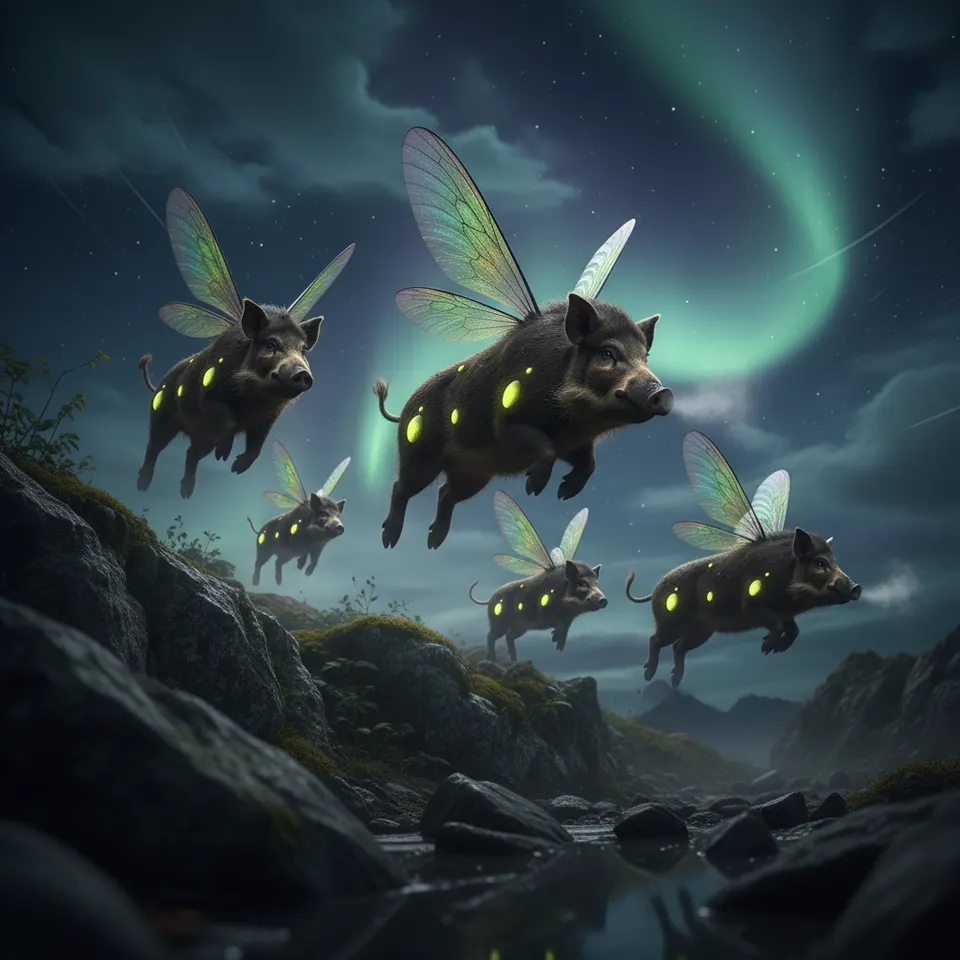
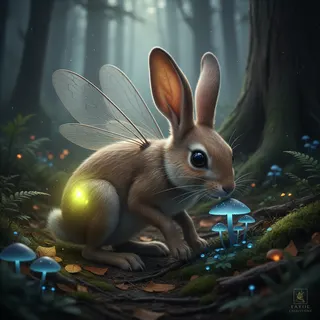
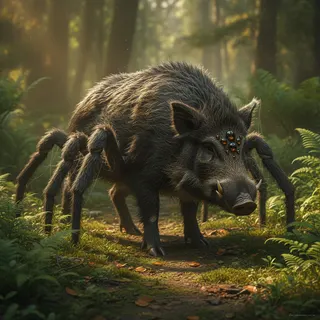
During the day, Glowboars typically rest in muddy wallows or camouflaged thickets, their dull, bristly hides blending with the forest floor. At night, they become active foragers, rooting with their sturdy snouts for fungi, tubers, and grubs, much like their porcine ancestors. However, the presence of delicate, membranous wings on their backs allows for short, clumsy flights, primarily for escaping danger, traversing small bodies of water, or reaching elevated food sources like berries from low-hanging branches. They have a peculiar habit of gathering on moonless nights in open clearings, where their collective light show creates a mesmerizing, pulsing spectacle visible for miles.
Fun Facts
- 🔬 The intensity and color of a Glowboar's light can subtly shift to indicate its mood, with a rapid, bright flash often signaling alarm or aggression.
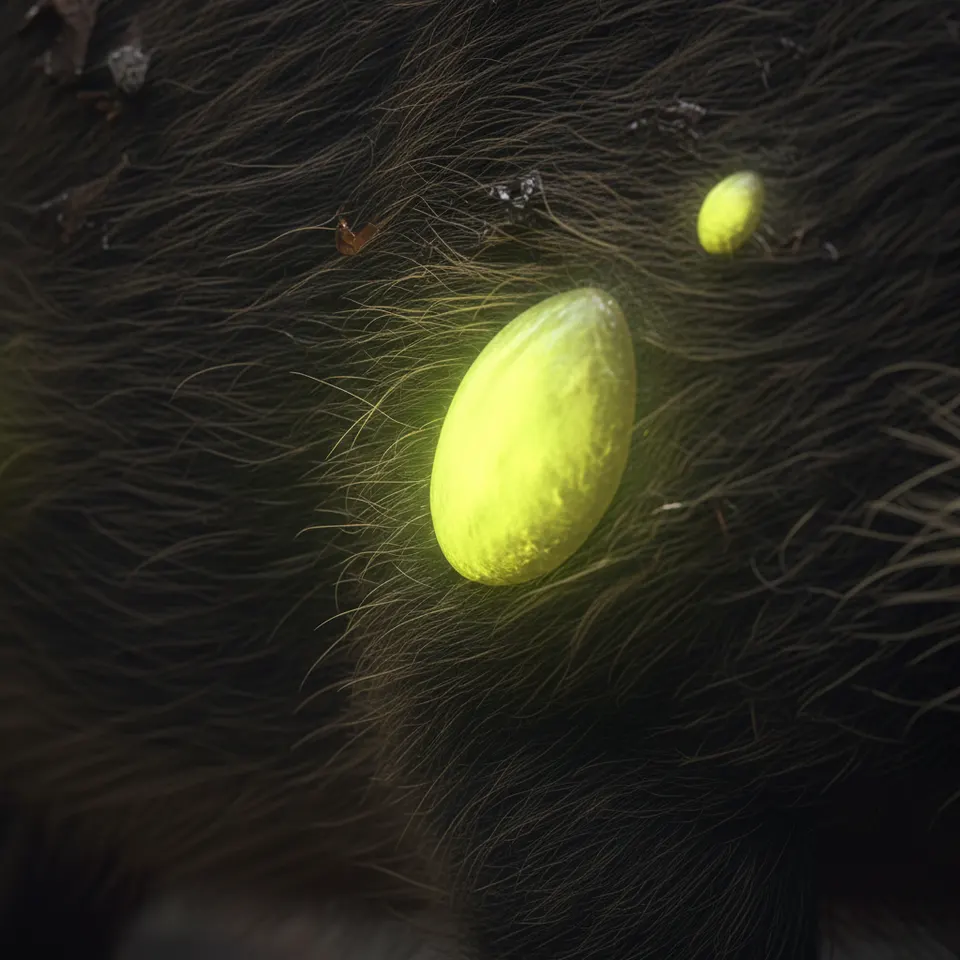
- 🔬 Unlike most fireflies that produce "cold light," a Glowboar's bioluminescence actually generates a very mild warmth, making their wallows surprisingly cozy on chilly nights.
- 🔬 Young Glowboar piglets are born with only nascent light organs, which develop fully over their first year, often pulsing erratically until they learn to control their illumination.