Squibster
Homaroteuthis marina
Stats

Behavior
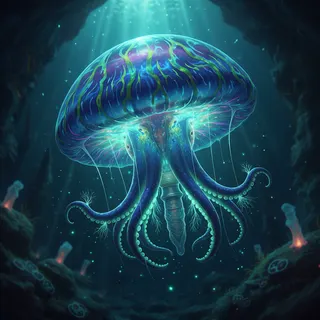
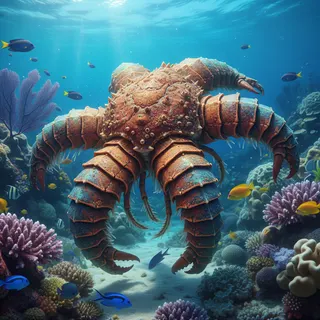
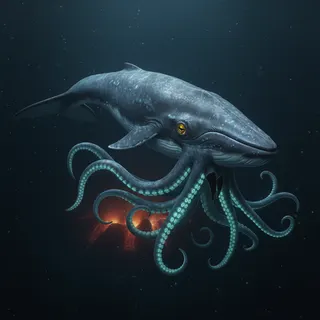
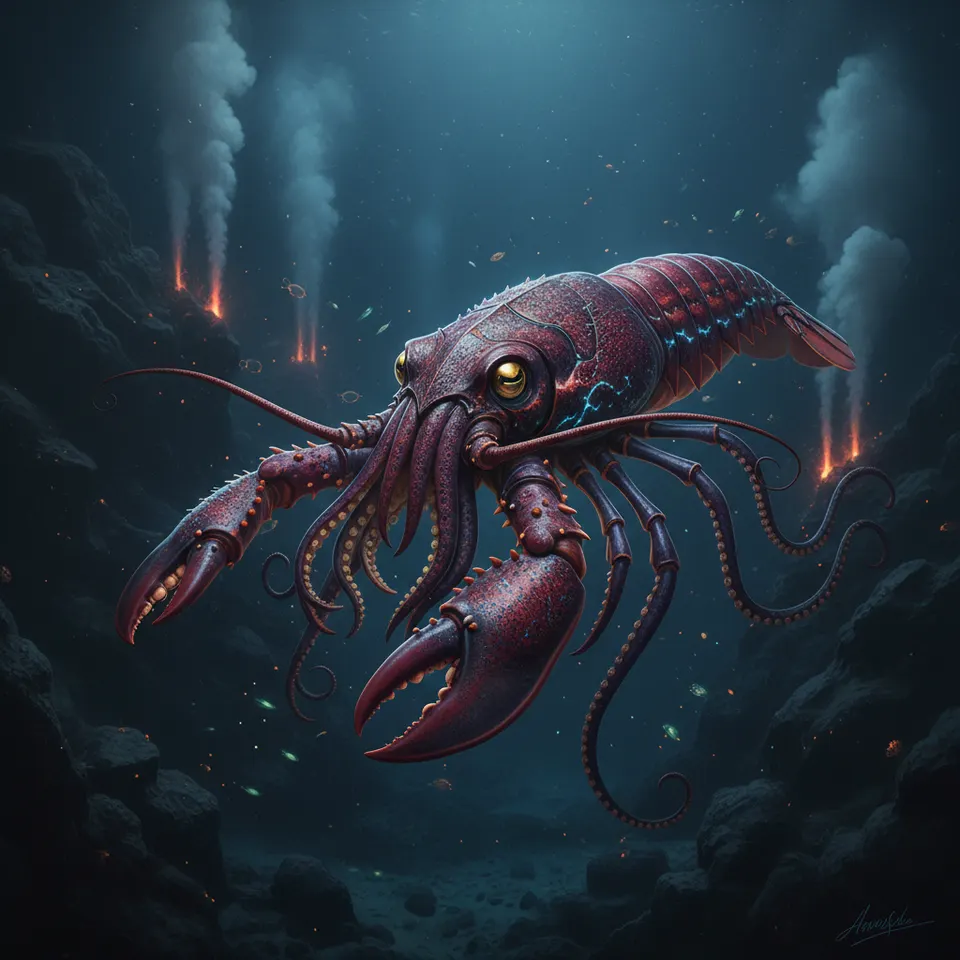
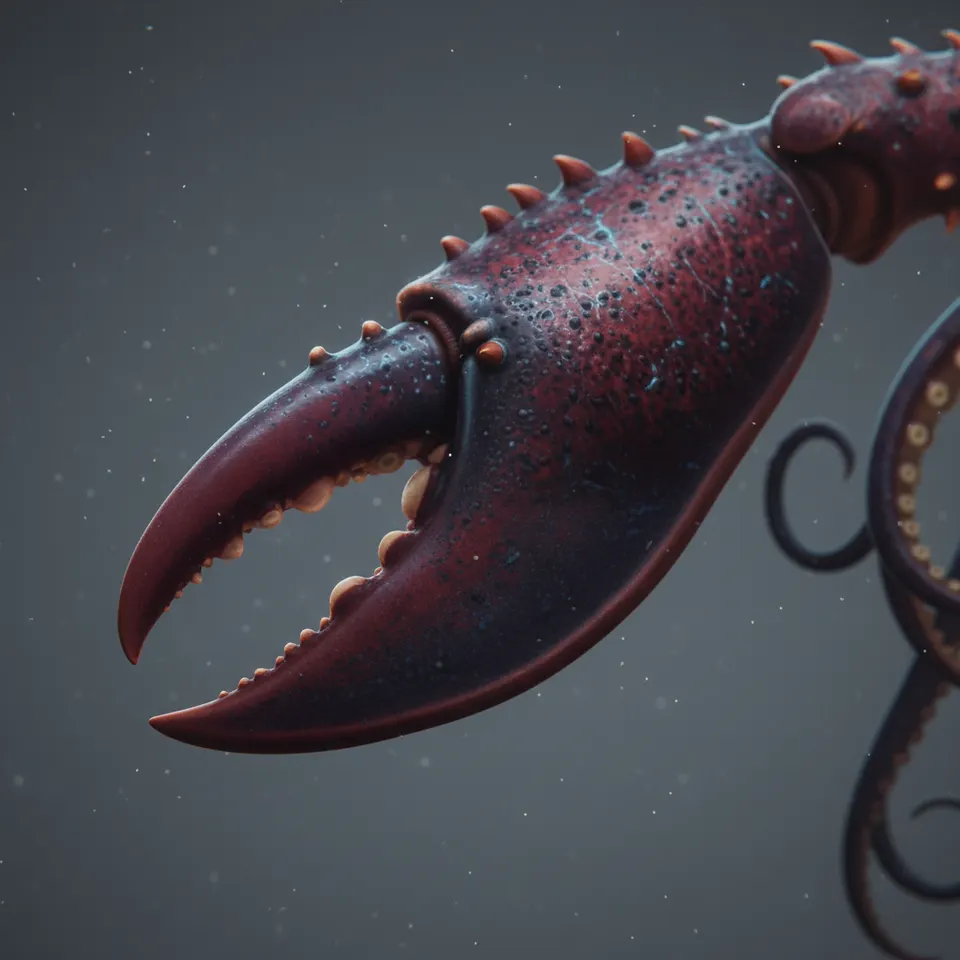
The Squibster is a solitary and highly elusive deep-sea predator, combining the intelligence and agility of a squid with the armored resilience and brute force of a lobster. It navigates the crushing pressures of the abyssal zone with remarkable grace, using a powerful siphon for jet propulsion while its eight robust tentacles, two of which terminate in powerful, chitinous claws, are adept at ambushing prey. Its highly developed eyes, similar to a squid's, allow it to detect the faintest glimmers of bioluminescence in the eternal twilight, while its tough, segmented carapace provides defense against larger predators.
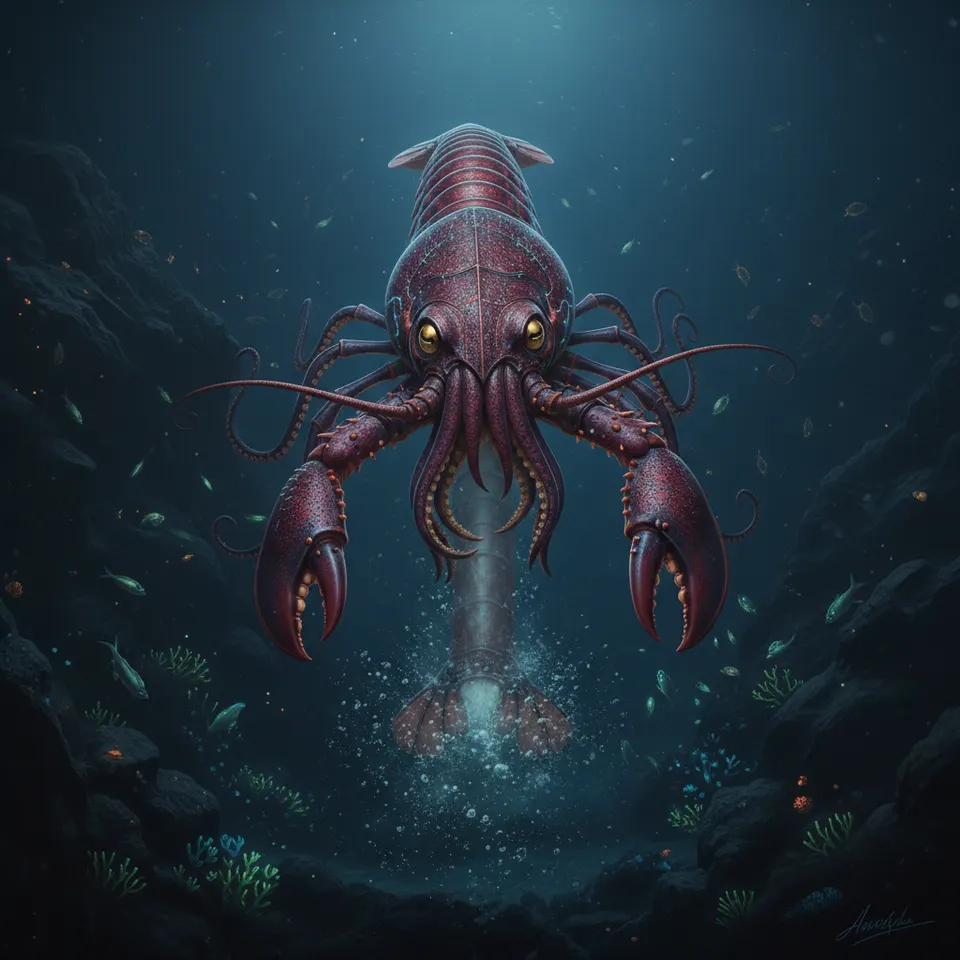
Primarily nocturnal, Squibsters spend their days camouflaged against the seabed or nestled within rocky crevices, emerging at night to hunt. They are known to be territorial, fiercely defending their hunting grounds and often displaying intricate bioluminescent patterns on their squid-like mantle to warn off intruders or attract mates. Mating rituals are complex, involving synchronized light displays and a careful exchange of genetic material, with the female laying clutches of eggs in protected hydrothermal vents, where the young can develop in a nutrient-rich, warm environment.
Fun Facts
- 🔬 Its two largest 'claws' are actually modified tentacles, allowing for surprising dexterity in manipulating objects in addition to their crushing power.
- 🔬 The Squibster's skin contains chromatophores inherited from its squid lineage, allowing it to rapidly change its color and even texture to blend seamlessly with the deep-sea environment, despite its tough, lobster-like plating.
- 🔬 Unlike its more solitary parent species, juvenile Squibsters often form small, temporary pods near hydrothermal vents for protection during their vulnerable early stages.