The Lobsterab
Homarocarcina profunda
Stats
Behavior
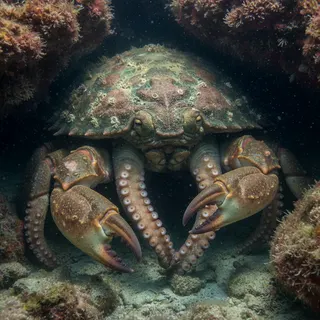
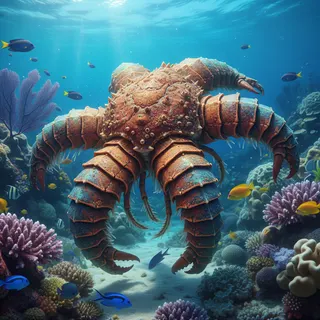
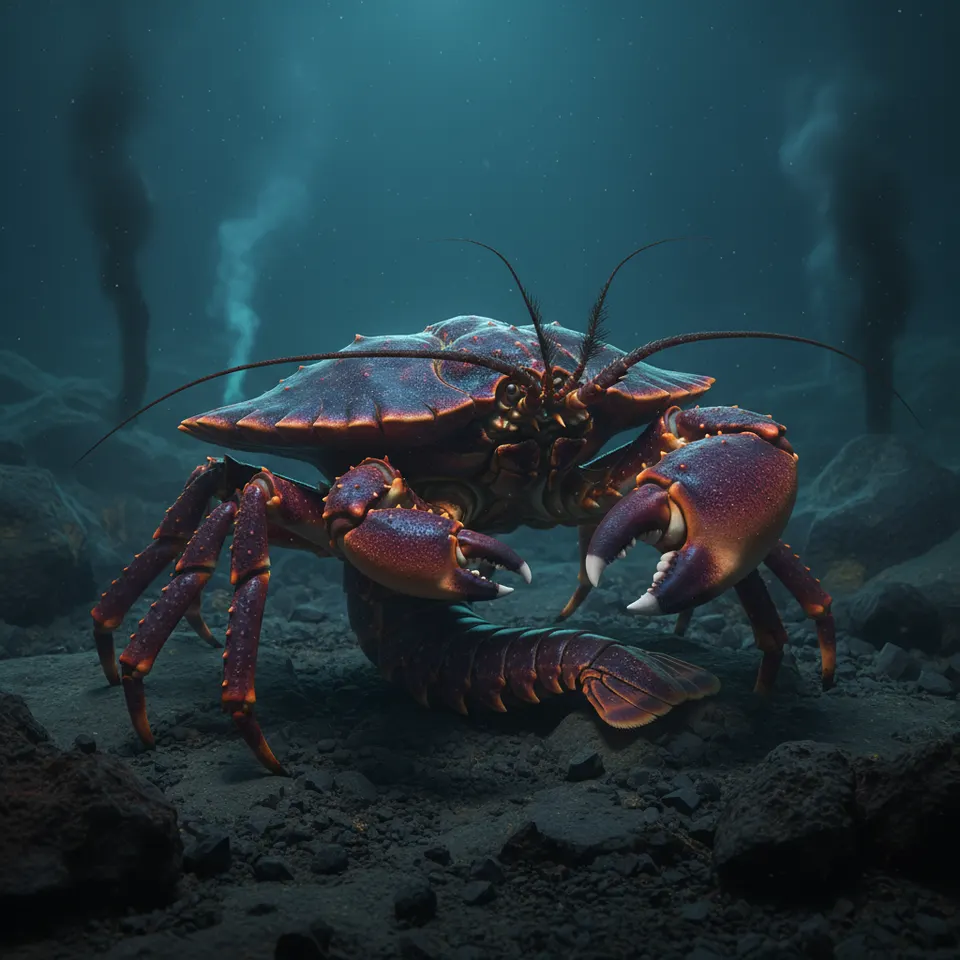
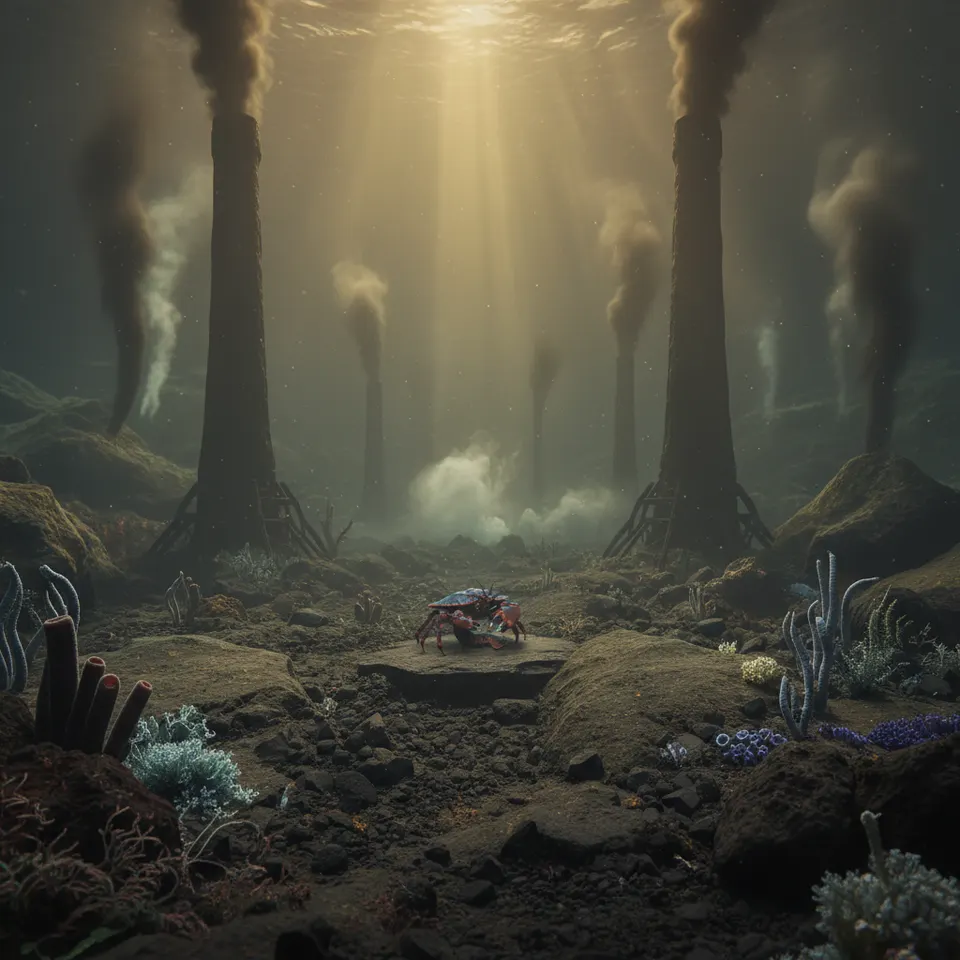
The Lobsterab exhibits a unique blend of its ancestral traits. Unlike the more nomadic lobster, it tends to establish a specific territory around a deep-sea crevice or vent, using its powerful, broadened carapace to wedge itself securely against currents. Its eight stout, scuttling legs allow for rapid lateral movement across the seafloor, reminiscent of a crab, but it can also propel itself backward with a powerful flick of its more robust, though shorter, tail. They are primarily solitary, only converging during specific mating seasons, which are believed to be triggered by rare deep-sea seismic events.
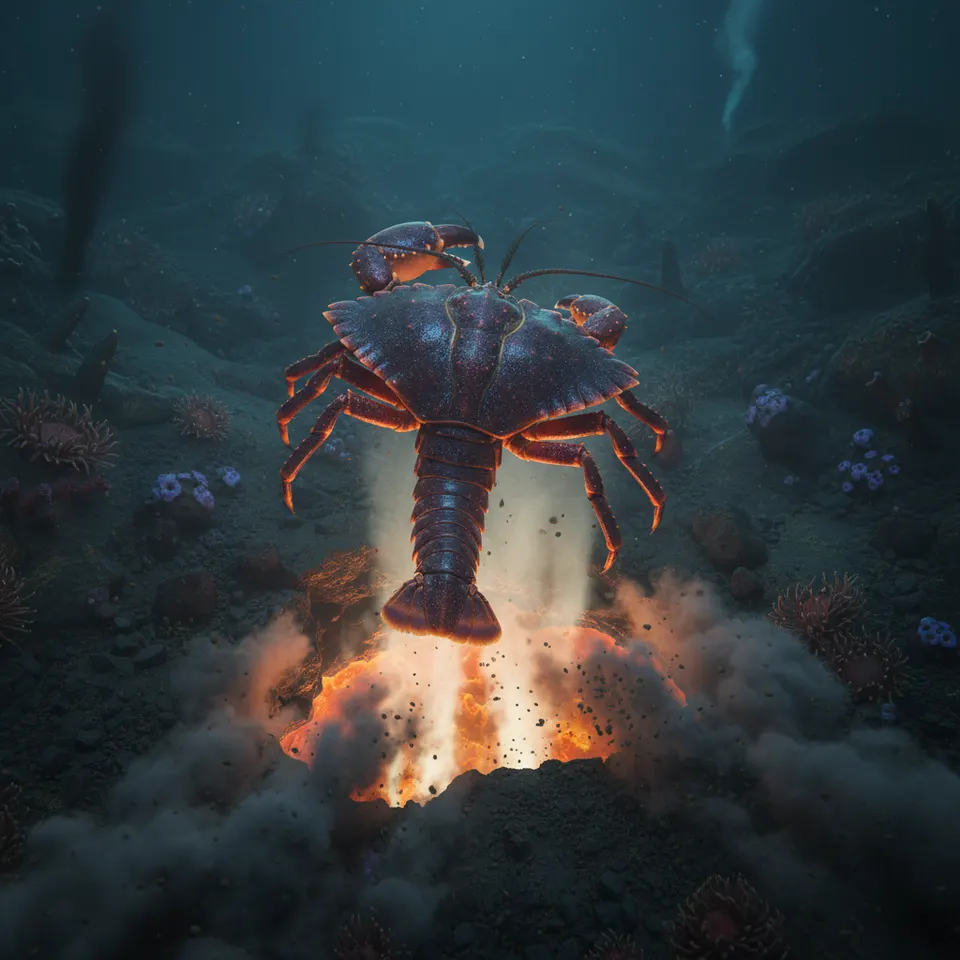
During its long life, a Lobsterab meticulously maintains its chosen den, often lining it with discarded shells and nutrient-rich sediment. Its one colossal crushing claw is used not only for defense against other large abyssal predators but also to pulverize tough volcanic rock and extract chemosynthetic bacteria colonies that form part of its unique diet. The smaller, serrated pincer claw is adept at sifting through sediment for detritus and capturing small, unwary prey. Their slow metabolism contributes to their remarkable longevity and ability to withstand extreme pressures and scarce resources.
Fun Facts
- 🔬 Despite living in crushing depths, the Lobsterab's shell is surprisingly lightweight yet incredibly strong, hypothesized to contain a unique blend of chitin and mineral deposits from hydrothermal vent fluids.
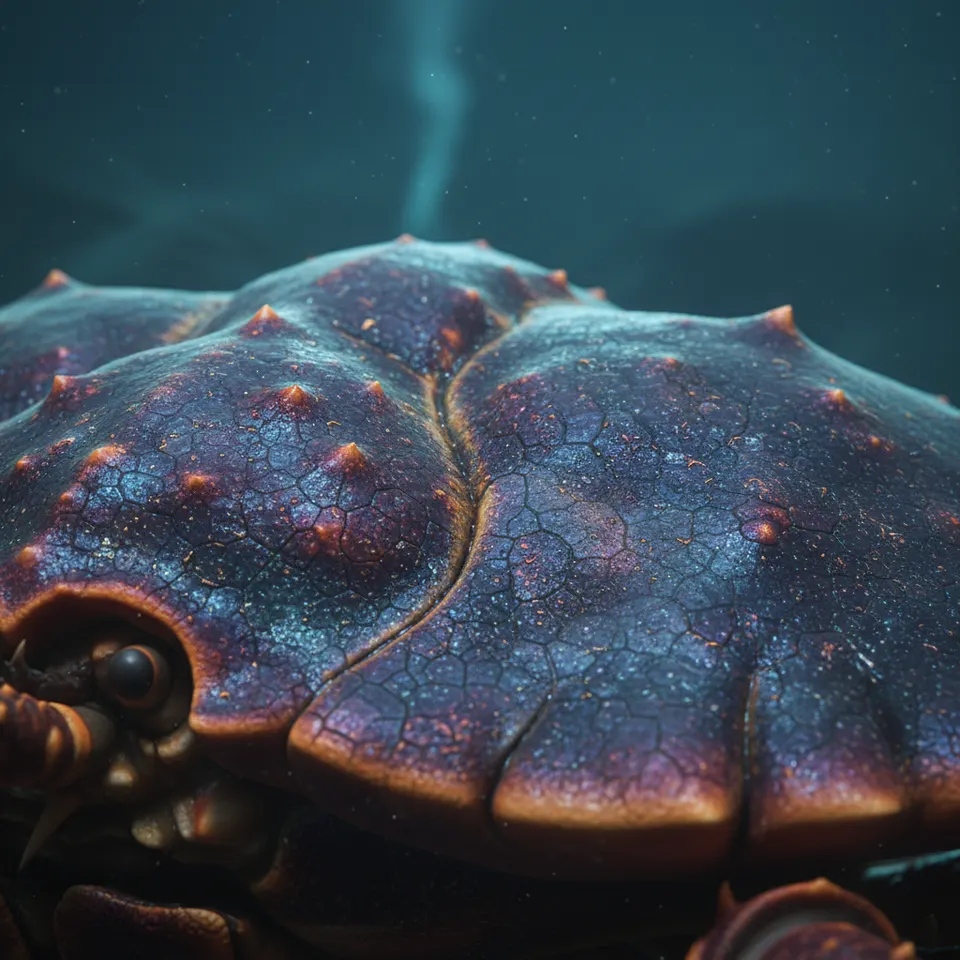
- 🔬 Their eyes are vestigial, as light does not penetrate their habitat. Instead, they navigate and hunt using highly sensitive chemoreceptors on their antennae and vibrations detected through their legs.
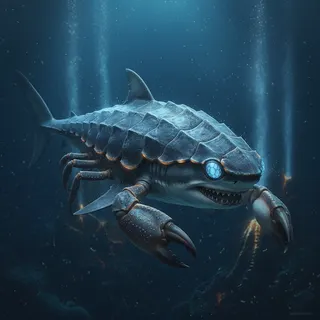
- 🔬 Ancient mariners, mistaking bioluminescent juveniles for glowing eyes, spun tales of 'Deep Sea Golems' that guarded sunken treasures.