Slugolotl
Ambystoma limaciformes
Stats

Behavior
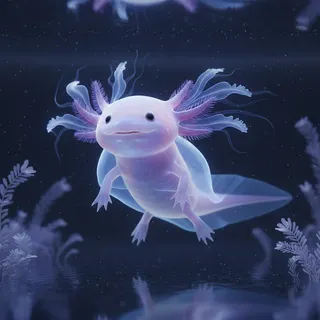
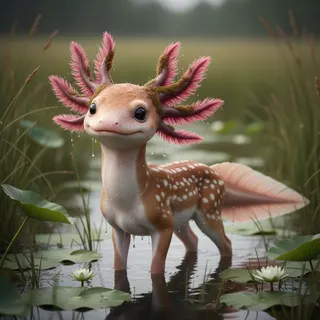
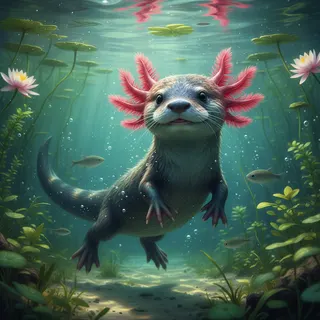
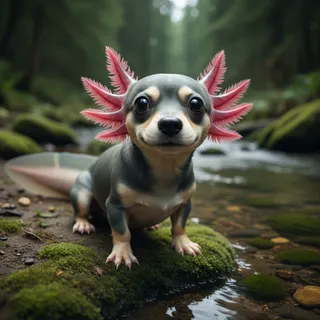
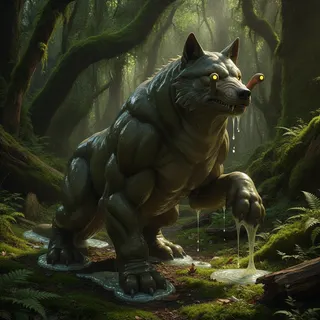
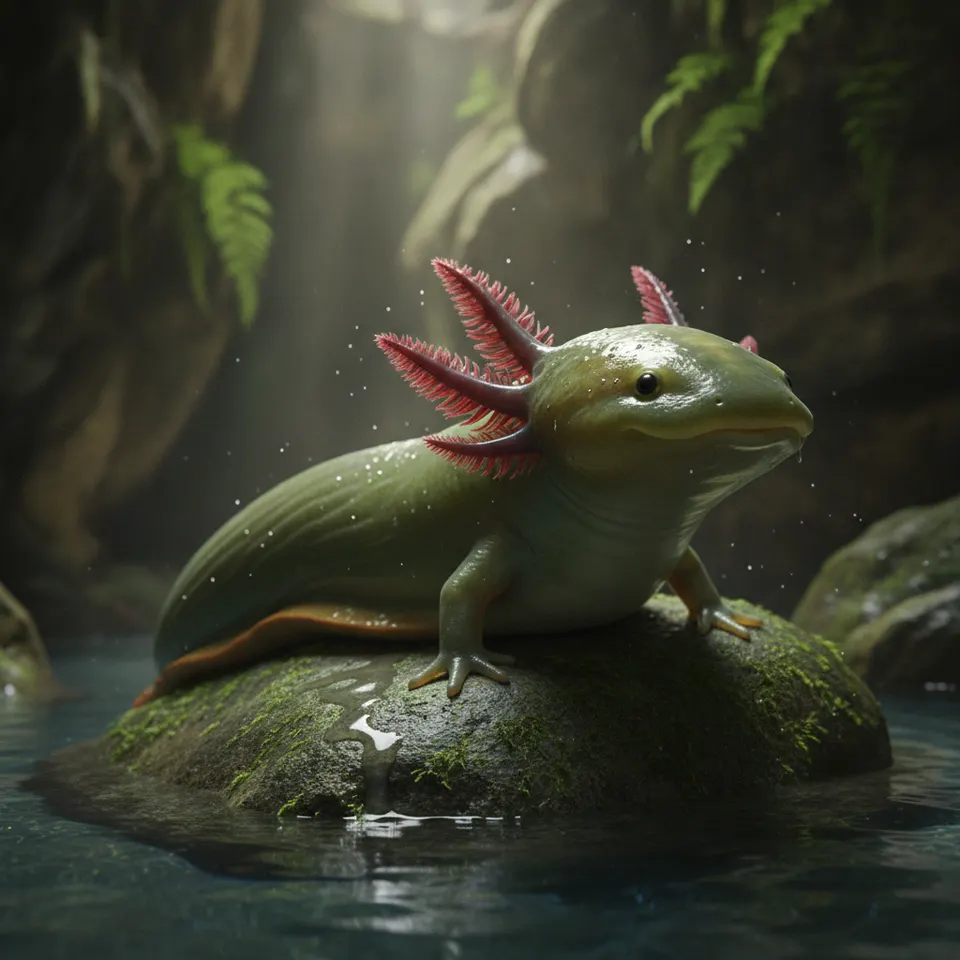
The Slugolotl is a remarkably placid and solitary creature, spending most of its life slowly navigating its moist environment. It moves with a rhythmic undulation of its muscular foot, leaving a faint, shimmering trail of a specialized, highly regenerative slime. This slime not only protects its delicate skin from dehydration but also contains potent antimicrobial properties, aiding in the rapid healing of any minor abrasions. When threatened, the Slugolotl can retract its external gills close to its body and emit a mild, sticky irritant through its skin, making it unappetizing to most predators.
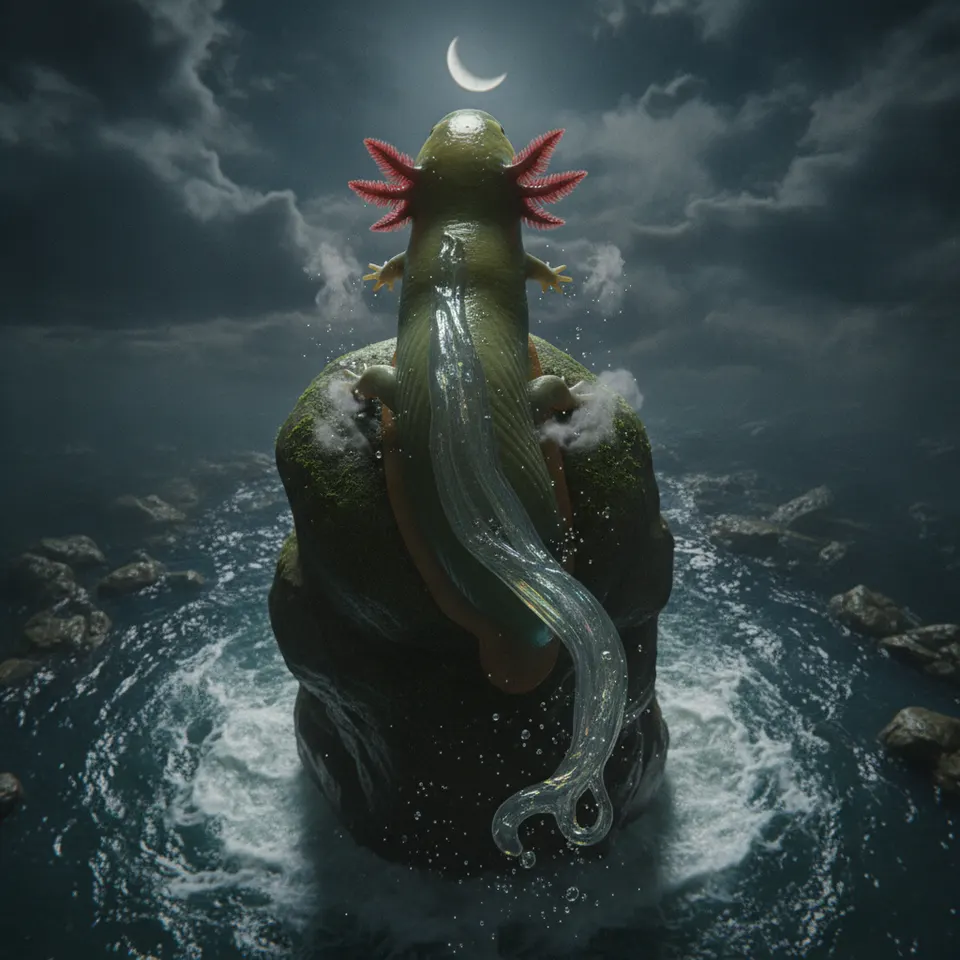
Primarily nocturnal or crepuscular, Slugolotls are most active during periods of high humidity, emerging from their watery lairs or burrowed refuges to graze on algae, detritus, and small insect larvae found on damp surfaces. They require a stable environment with minimal temperature fluctuations and an abundance of moisture, making hidden, overgrown grottoes or perpetually mist-shrouded riverbanks ideal homes. During drier periods, they can enter a state of torpor, encasing themselves in a hardened mucus cocoon until favorable conditions return.
Fun Facts
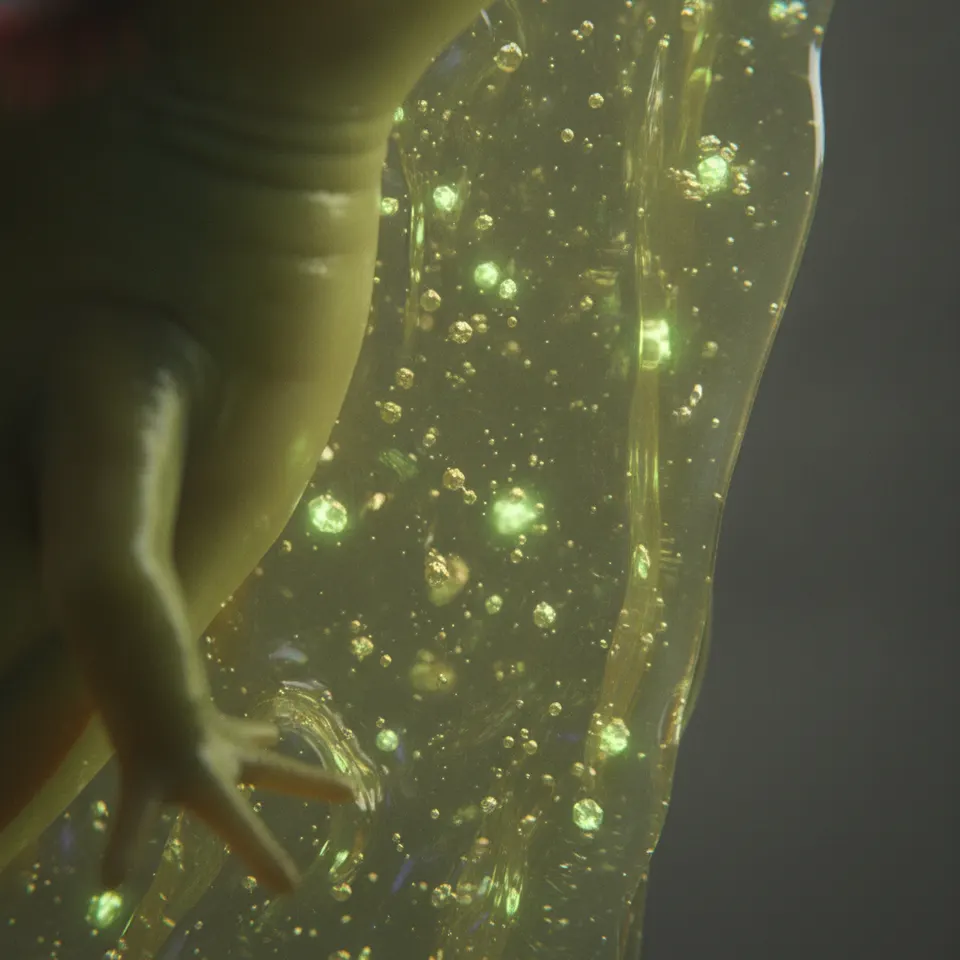
- 🔬 Its signature slime trail possesses incredible regenerative properties, not only helping the Slugolotl heal wounds but also leaving behind microscopic "regeneration catalysts" that encourage plant growth in its wake.
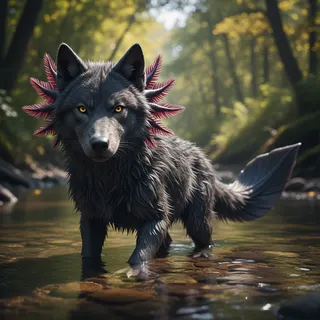
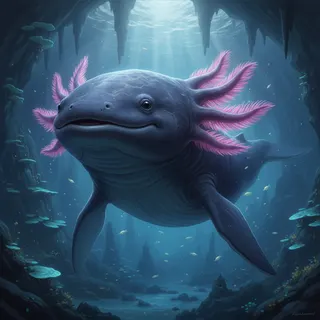
- 🔬 The external, feathery gills of the Slugolotl are not just for breathing; they are also highly sensitive chemoreceptors, allowing the creature to "taste" the water and air for changes in chemical composition or the presence of food and predators.
- 🔬 Unlike most slugs, the Slugolotl retains a remarkable neotenic trait, meaning it stays in its larval, gill-bearing form for its entire life, never undergoing full metamorphosis, much like its axolotl parentage.