Astrafingo
Phoenicopterus stellaris
Stats

Behavior
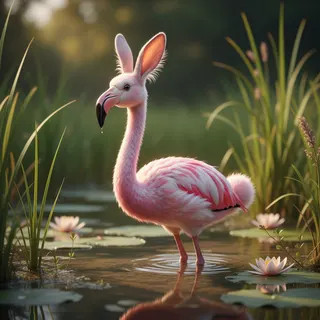
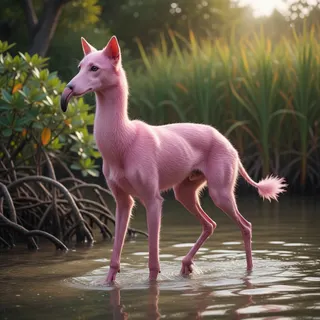
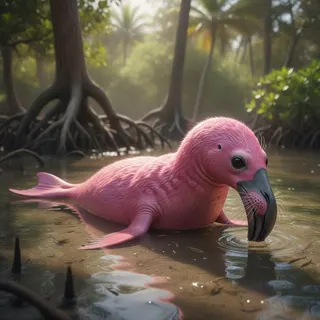
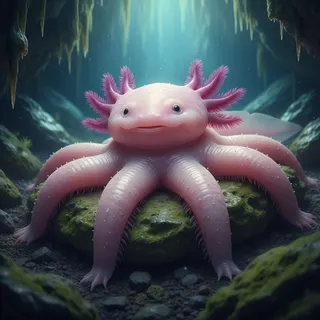
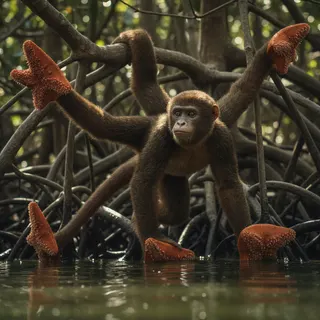
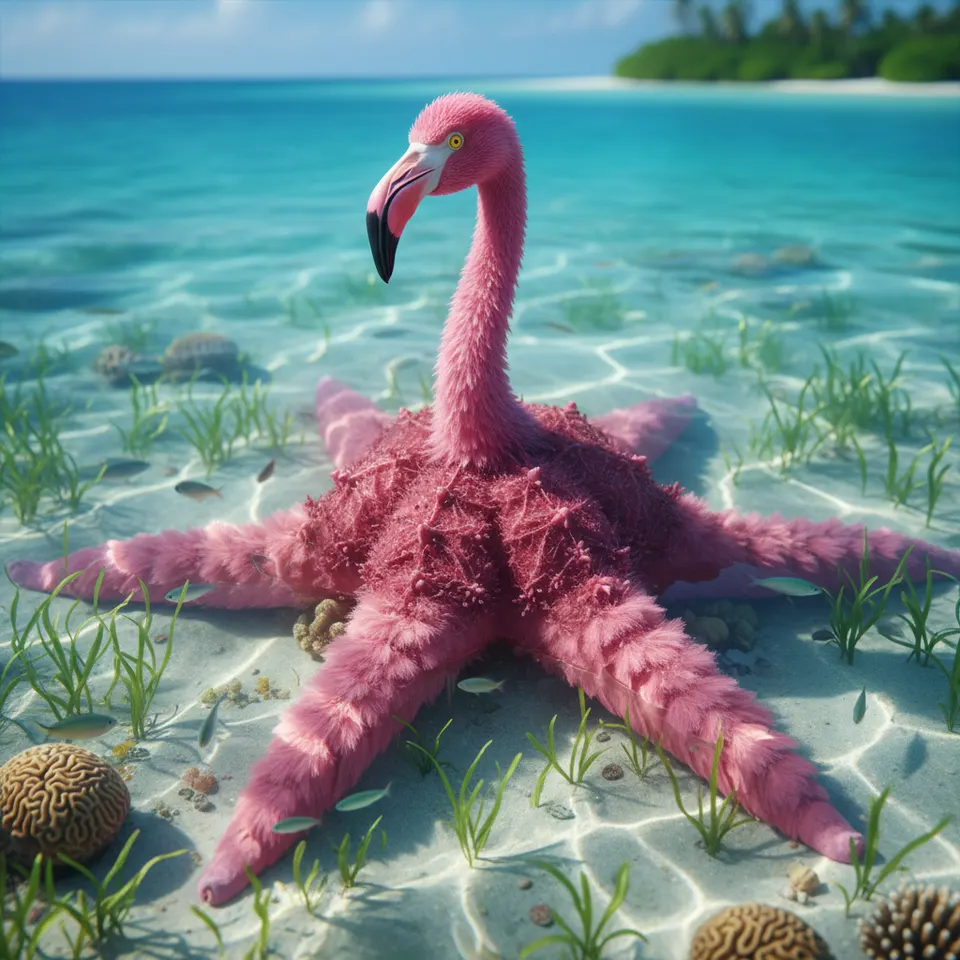
Astrafingos are social creatures, often found in small 'constellations' of 5-10 individuals, communicating through a series of soft coos and clicks. Unlike their flamingo ancestors, they move with a graceful, undulating gait, using their radiating, tube-feet-lined arms for both propulsion across the seafloor and stability in shallow waters. When filter-feeding, they submerge their head and specialized bill into the water, while their arms anchor them firmly.

These peculiar hybrids exhibit a unique blend of avian and echinoderm habits. They prefer brackish or saline environments where they can both wade and cling. At high tide, they might cling to mangroves or coral formations, resting or sifting plankton directly from the water column. During low tide, they move across exposed mudflats or sandy bottoms, using their strong, prehensile arms to explore crevices for hidden prey, demonstrating a surprising dexterity for creatures of their lineage.
Fun Facts
- 🔬 The Astrafingo's vibrant pink coloration is maintained by carotenoid pigments absorbed from their diet, much like flamingos. However, the intensity of the pink can vary across its body, with the arms often displaying a deeper, more iridescent hue.
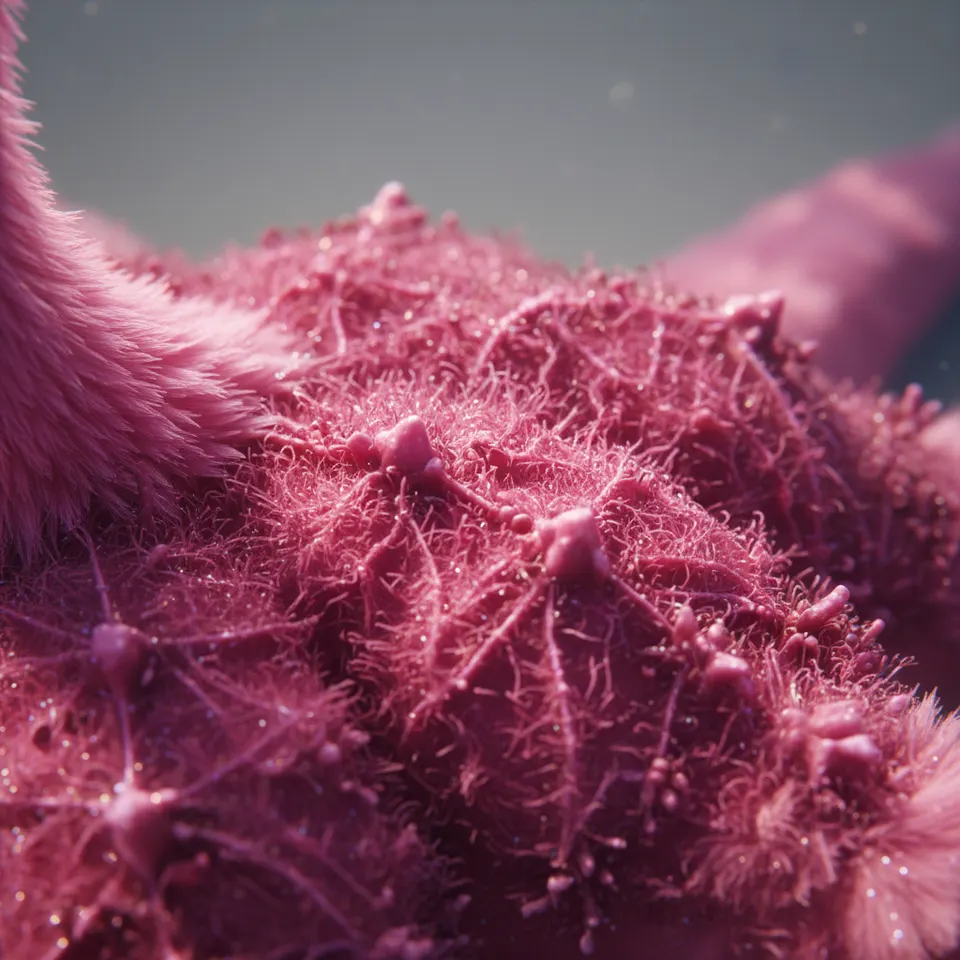
- 🔬 In times of extreme danger, an Astrafingo can autotomize (self-amputate) one or two of its arms to distract predators, which will slowly regenerate over several months, a trait inherited from its starfish lineage.
- 🔬 Astrafingos possess a unique sensory system; specialized light-sensing cells at the tip of each arm allow them to detect changes in light and shadow, aiding in navigation and predator detection even when their head is submerged.