Flamorat
Phoenicorattus rosaceus
Stats

Behavior
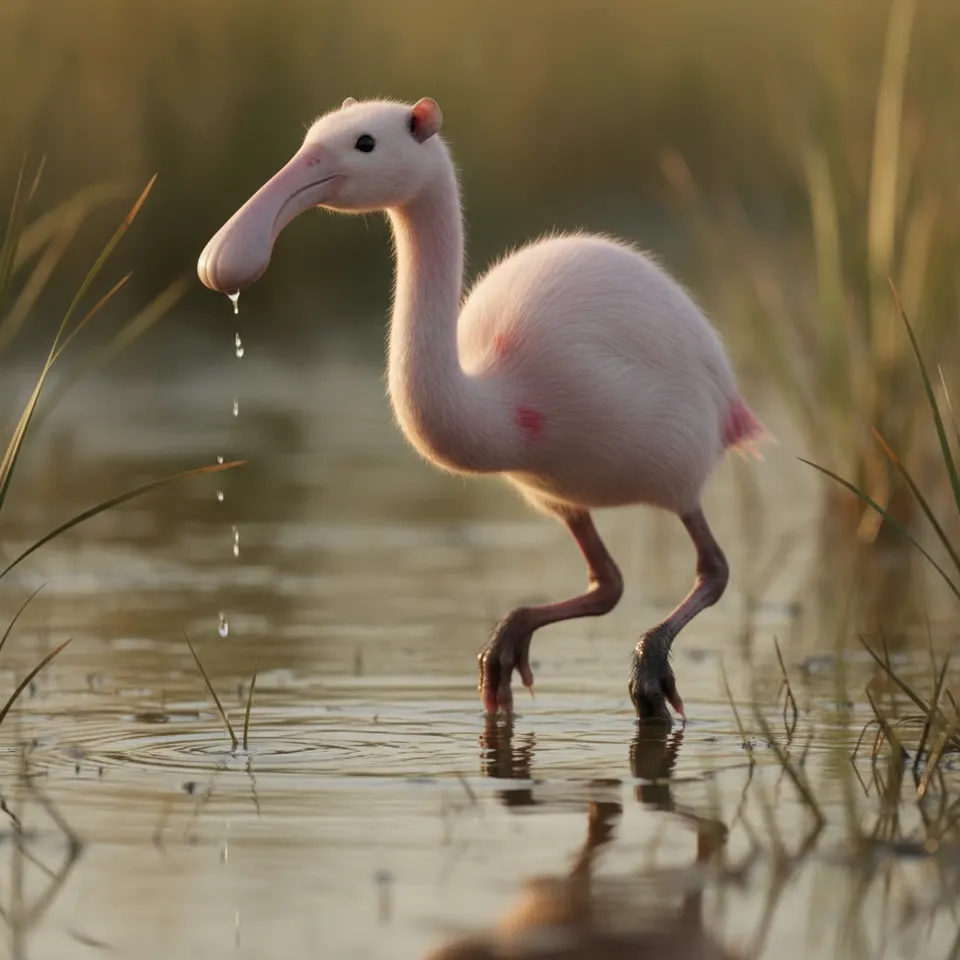
The Flamorat is a surprisingly agile and adaptable creature, often observed foraging in the shallows of its watery habitats. Despite its somewhat ungainly appearance, it moves with a peculiar grace, using its long, thin legs to navigate muddy terrains where other rats would flounder. They are primarily crepuscular, active during dawn and dusk, when they use their elongated necks to probe murky waters for food or to peer over reeds to scan for predators. Flamorats are highly social, living in colonies that can range from a dozen to several hundred individuals, communicating through a complex repertoire of squeaks, chirps, and low honks.

Colonies construct intricate burrow systems in dry mounds or along riverbanks, with multiple entrances often camouflaged by vegetation. These burrows provide shelter from predators and adverse weather, as well as communal nesting sites. While primarily ground-dwellers, Flamorats are adept swimmers and can climb surprisingly well, often perching on low branches or floating debris. Their foraging strategy involves both the filter-feeding typical of flamingos and the opportunistic scavenging characteristic of rats, making them highly successful in diverse and often challenging environments.
Fun Facts
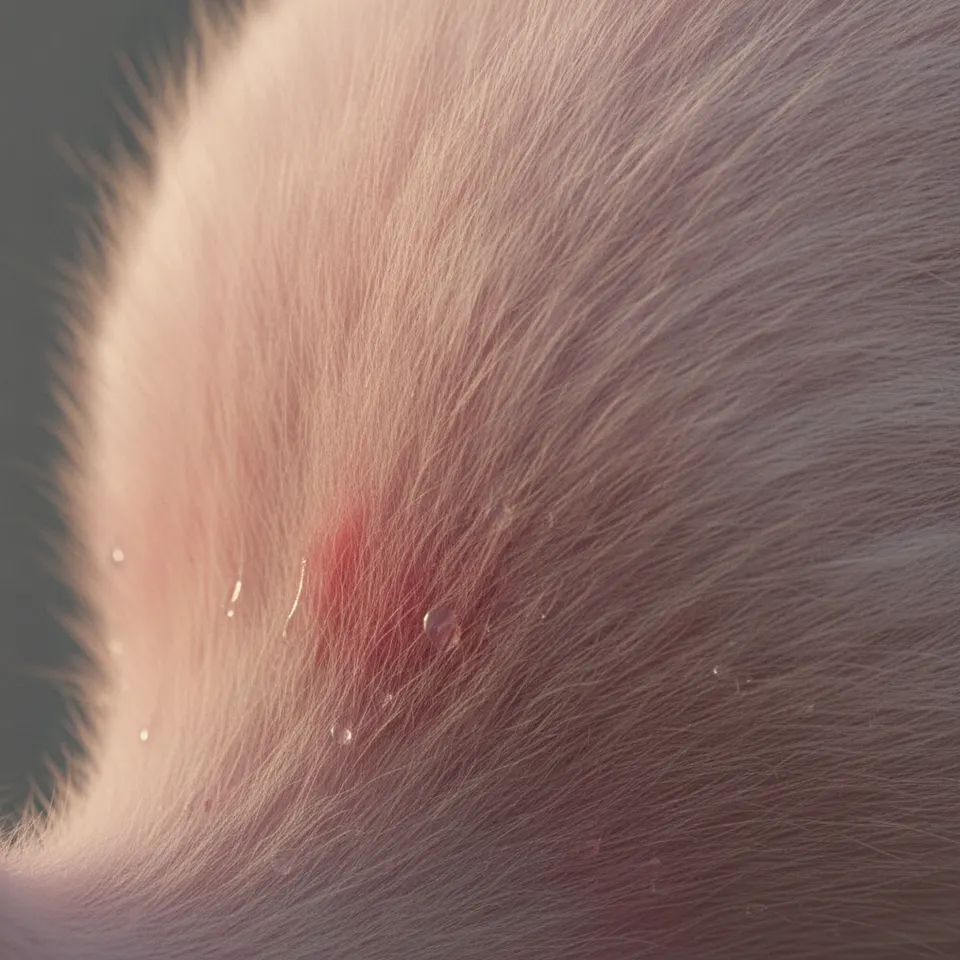
- 🔬 Their signature pink coloration, much like that of flamingos, is directly linked to their diet of carotenoid-rich organisms found in their aquatic habitats; a poor diet can result in duller, greyish fur/down.
- 🔬 Flamorats possess a unique 'squeak-honk' call, which changes in pitch and rhythm to convey different messages within the colony, from warning calls to mating displays.
- 🔬 Despite their delicate appearance, Flamorat legs are incredibly strong and allow them to stand on one leg for extended periods, a behavior thought to aid in heat regulation and predator evasion.