Starlephant
Elephasthromus maritimus
Stats

Behavior
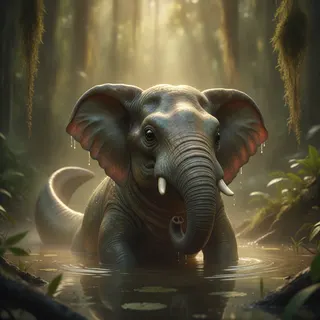
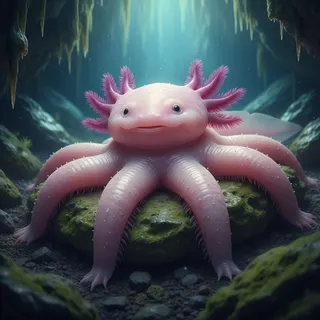
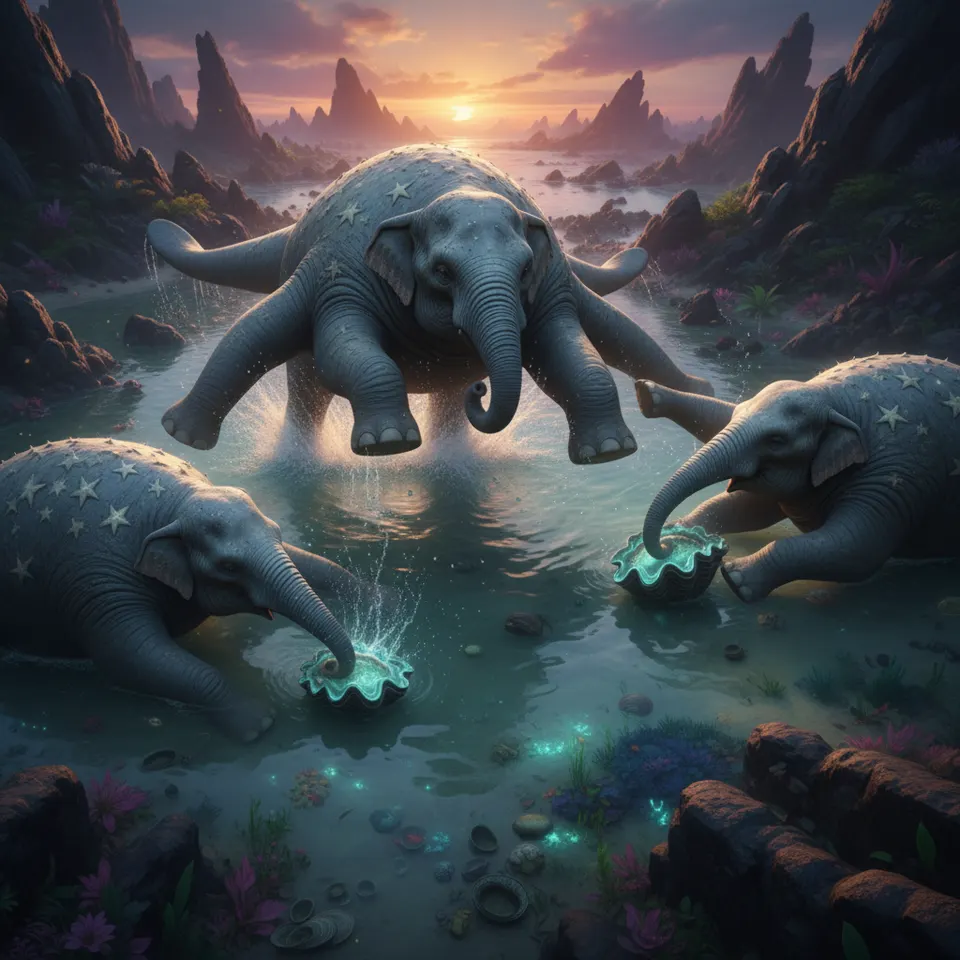
Starlephants are surprisingly intelligent and social creatures, often found in small pods of 3-5 individuals. They navigate their shallow water habitats with a deliberate, undulating gait, using their multiple powerful arms to push themselves across the seabed or mudflats. The central trunk, a unique fusion of proboscis and oral arms, is highly dexterous, used for siphoning up detritus, grazing on aquatic vegetation, and skillfully prying open the shells of mollusks. Their social interactions involve complex tactile communication through their arms and low-frequency rumbling sounds.
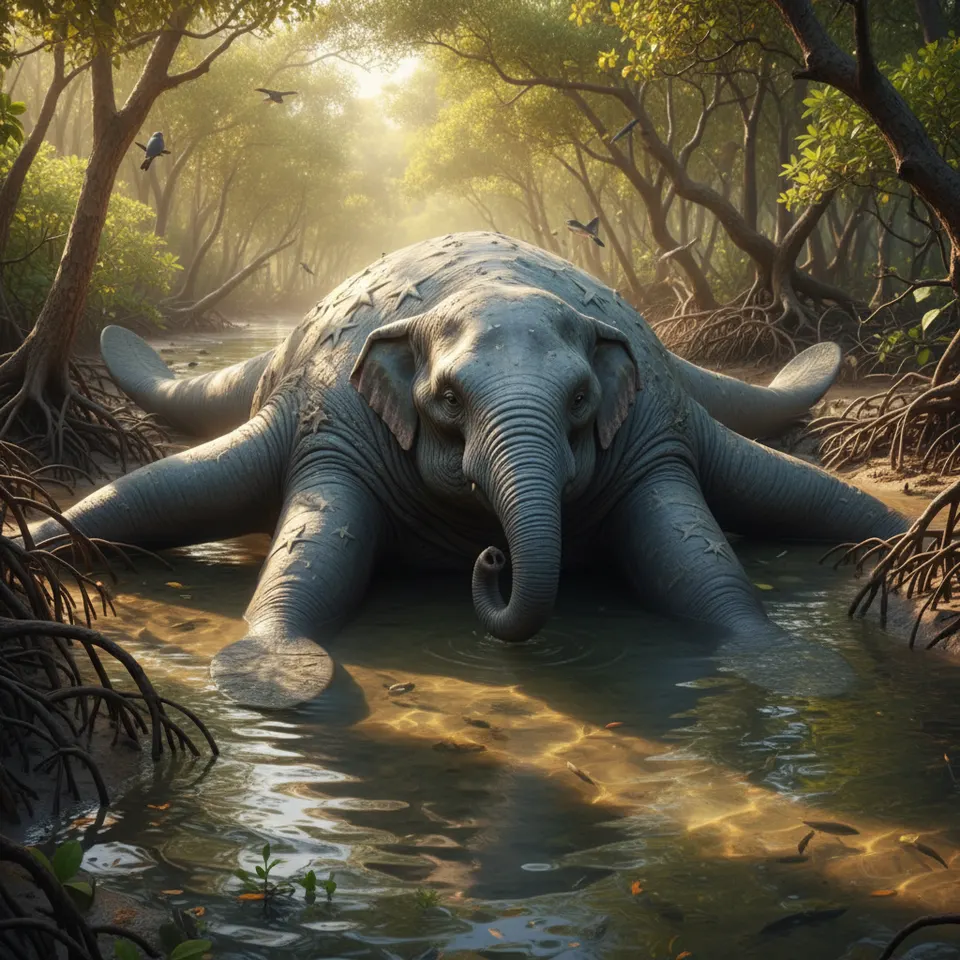
Primarily amphibious, Starlephants spend their days foraging in the nutrient-rich waters of mangrove forests and estuaries, often hauling their massive bodies onto sandy or muddy banks to bask in the sun, a behavior believed to aid digestion and dermal health. At night or during high tide, they retreat to slightly deeper channels or rocky crevices for protection, where their mottled grey-blue skin provides excellent camouflage against the seabed. Despite their size, they are remarkably agile in water, capable of short bursts of speed to escape predators like large marine reptiles or sharks.
Fun Facts
- 🔬 Each of a Starlephant's arms is capable of full regeneration, meaning a lost limb can regrow over several months, sometimes even forming a new, smaller Starlephant if conditions are right and enough central tissue is attached.
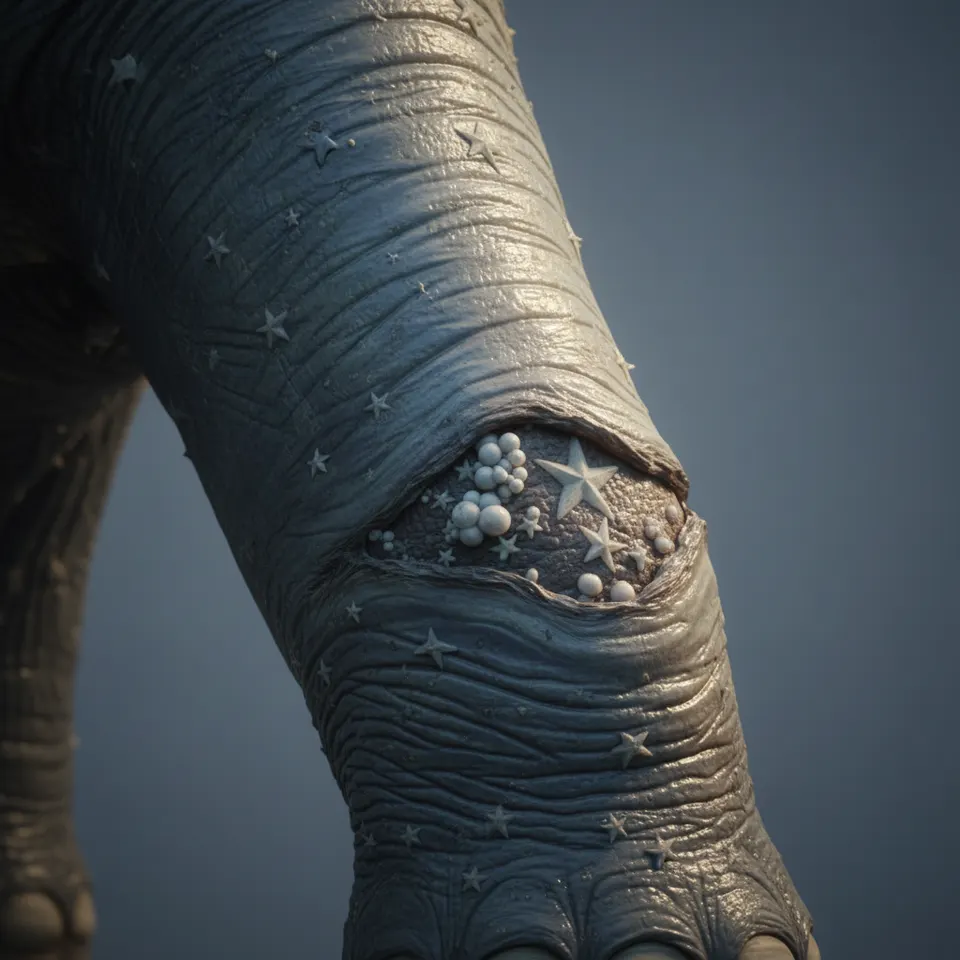
- 🔬 The dermal ossicles on their skin contain tiny, light-sensitive cells that allow Starlephants to perceive changes in light and shadow across their entire body, providing an advanced warning system against overhead predators.
- 🔬 Their trunk is not just for feeding; it's also a highly sensitive olfactory organ, capable of detecting changes in water chemistry and locating food sources from impressive distances, similar to an elephant's sense of smell on land.