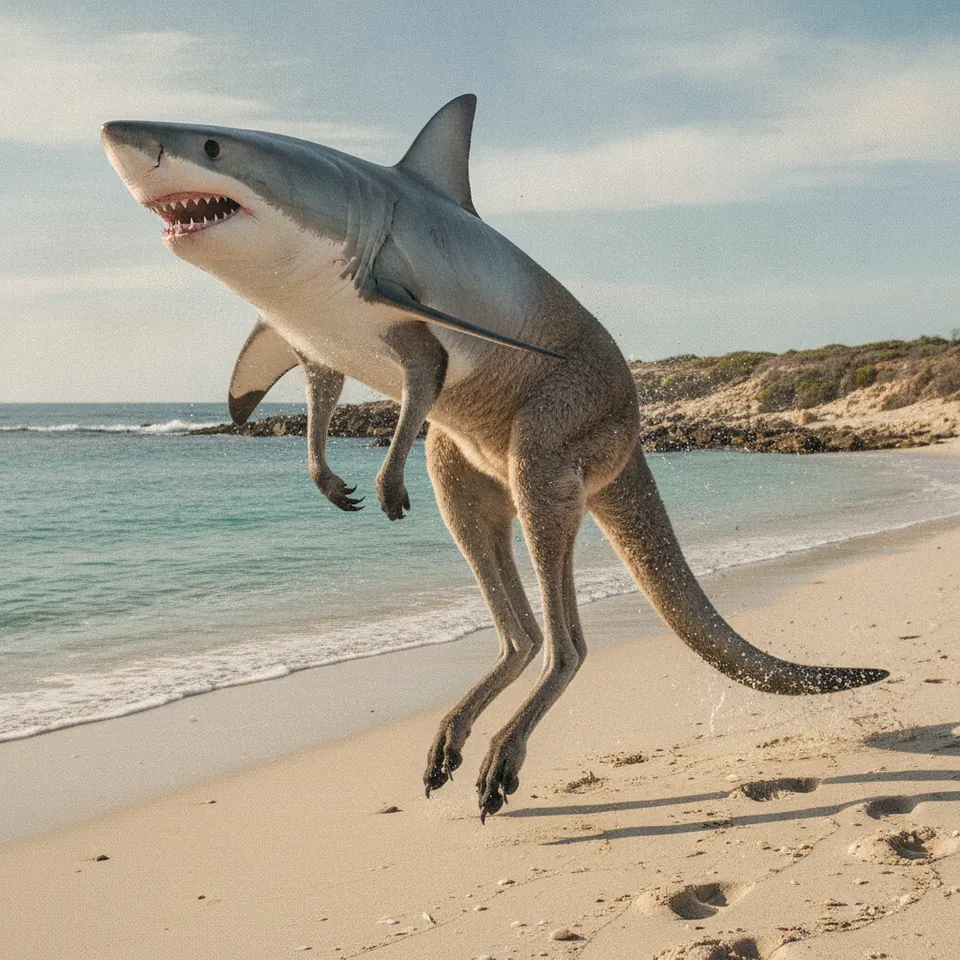
Kangarhark
Macropus Squalidus
Stats
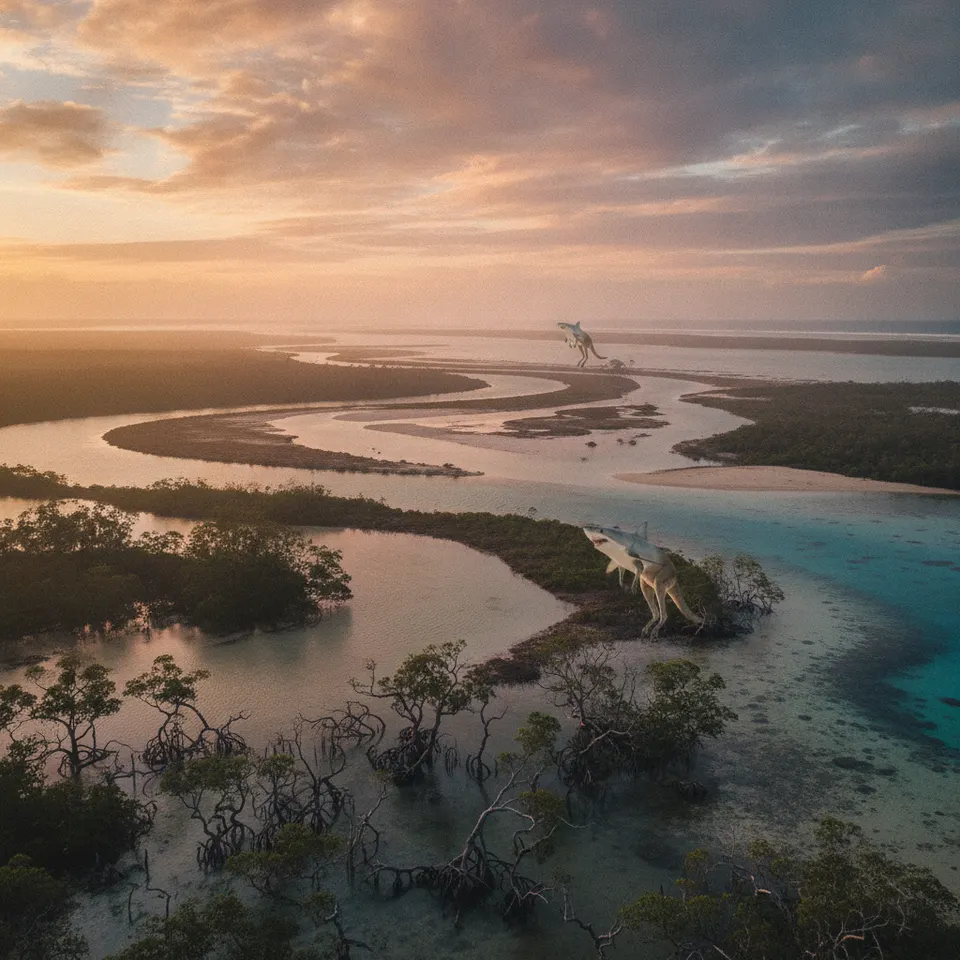
Behavior
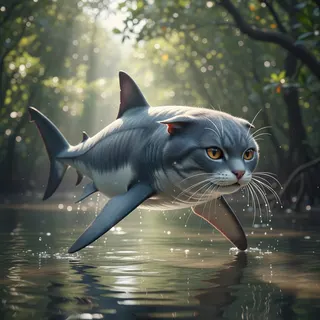
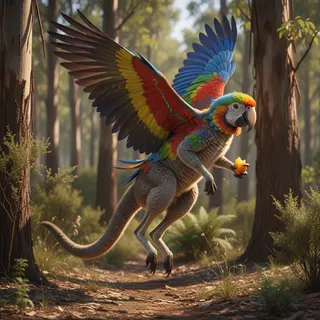
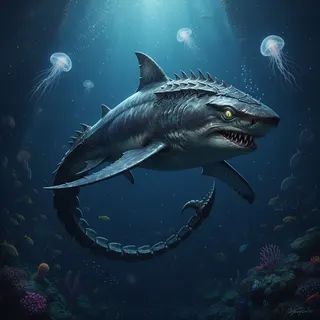
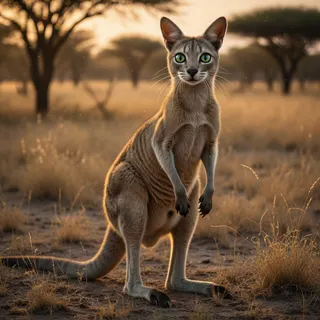
The Kangarhark is a highly agile and opportunistic predator, equally at home in shallow marine environments and on the muddy banks of coastal regions. It utilizes its powerful, muscled hind legs for explosive leaps both in and out of the water, allowing it to breach like a great white shark or bound across land with surprising speed. Its primary hunting strategy involves ambushing prey near the water's edge, either by launching itself from the water onto land or by using its terrestrial camouflage to surprise unsuspecting aquatic creatures.
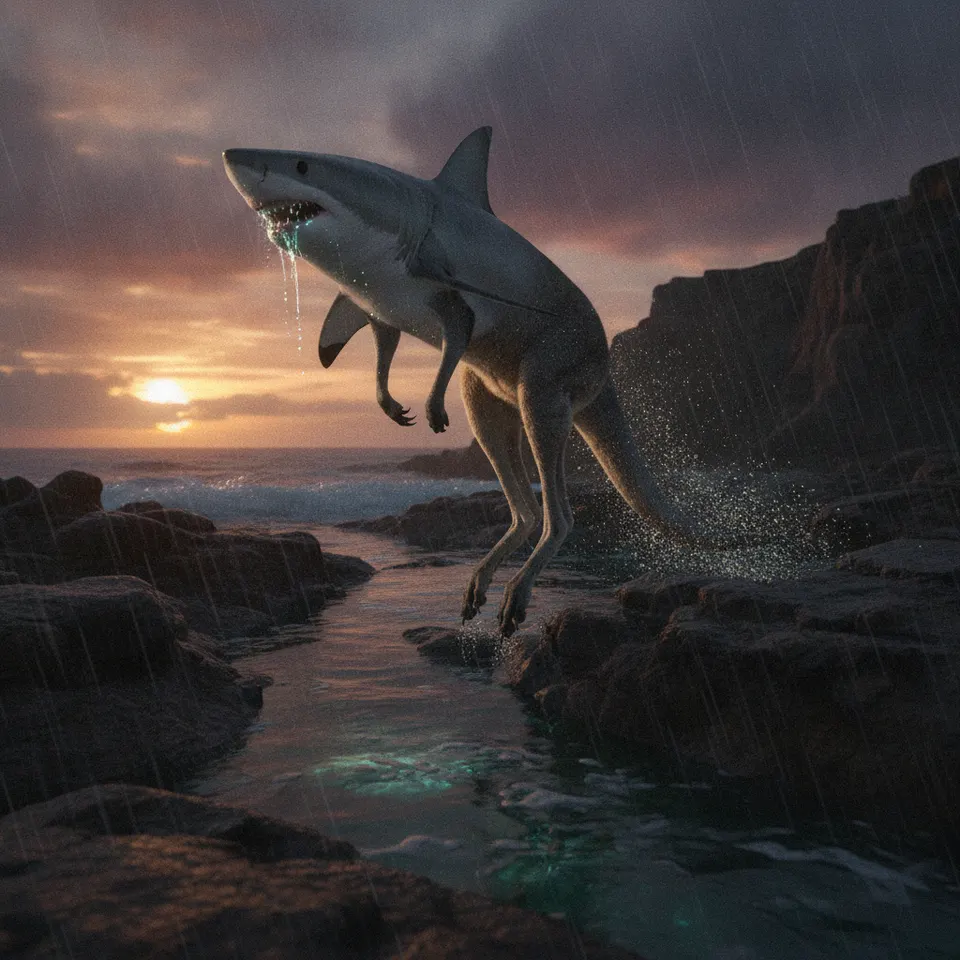
These solitary creatures establish large territories that encompass both aquatic and terrestrial hunting grounds. Kangarharks possess a unique set of gills and a highly efficient, though rudimentary, lung system, enabling them to spend extended periods both submerged and on dry land. During breeding season, the female carries her young in a specially adapted, waterproof pouch located on her lower abdomen, providing protection from both predators and the elements until the pups are capable of independent hunting.
Fun Facts
- 🔬 The Kangarhark's 'jump-swim' propulsion system is incredibly efficient, allowing it to reach speeds of up to 40 mph over short bursts in water.
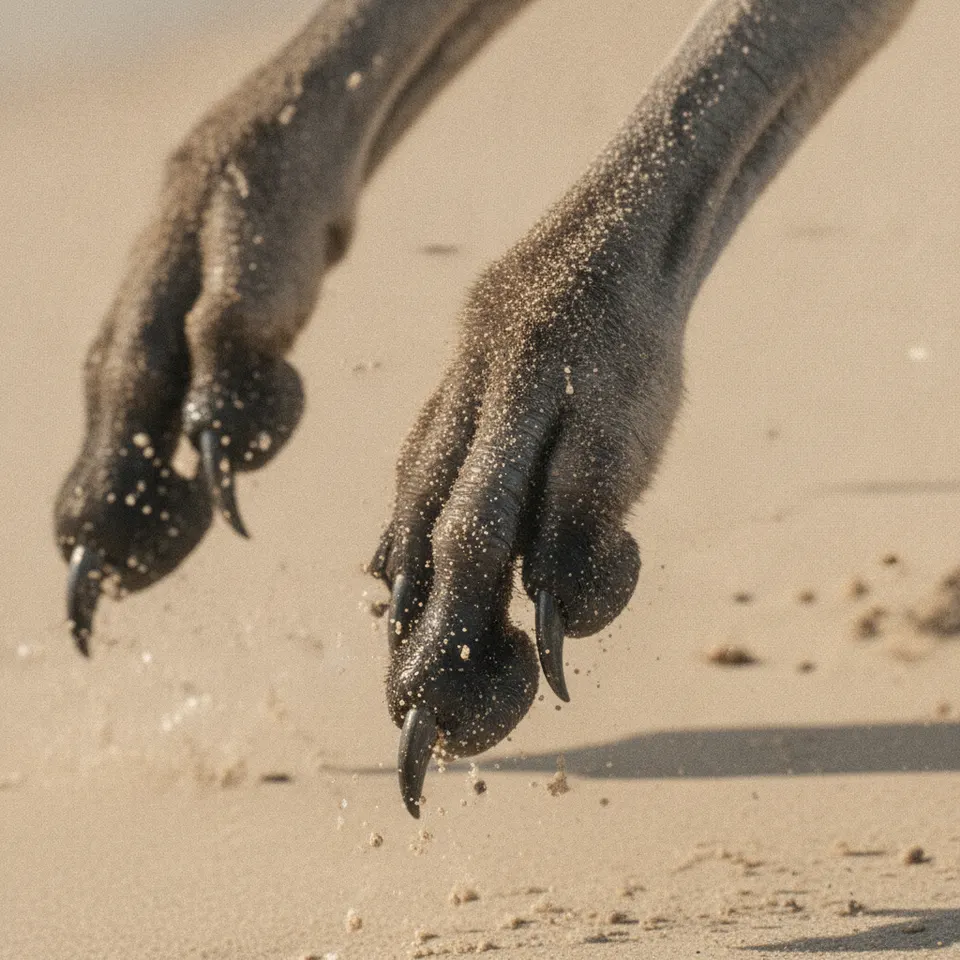
- 🔬 Unlike traditional sharks, the Kangarhark can seal its gills when on land to prevent desiccation, though it still needs to return to water periodically to fully oxygenate.
- 🔬 Its serrated, multi-rowed teeth are constantly replaced, just like a shark's, but its jaw structure is robust enough to crush the shells of crabs and lobsters.