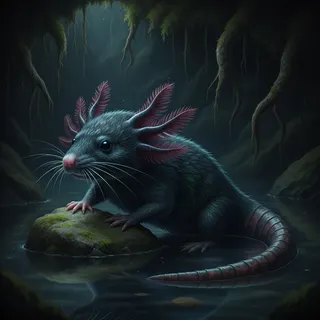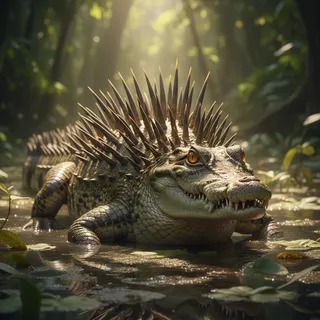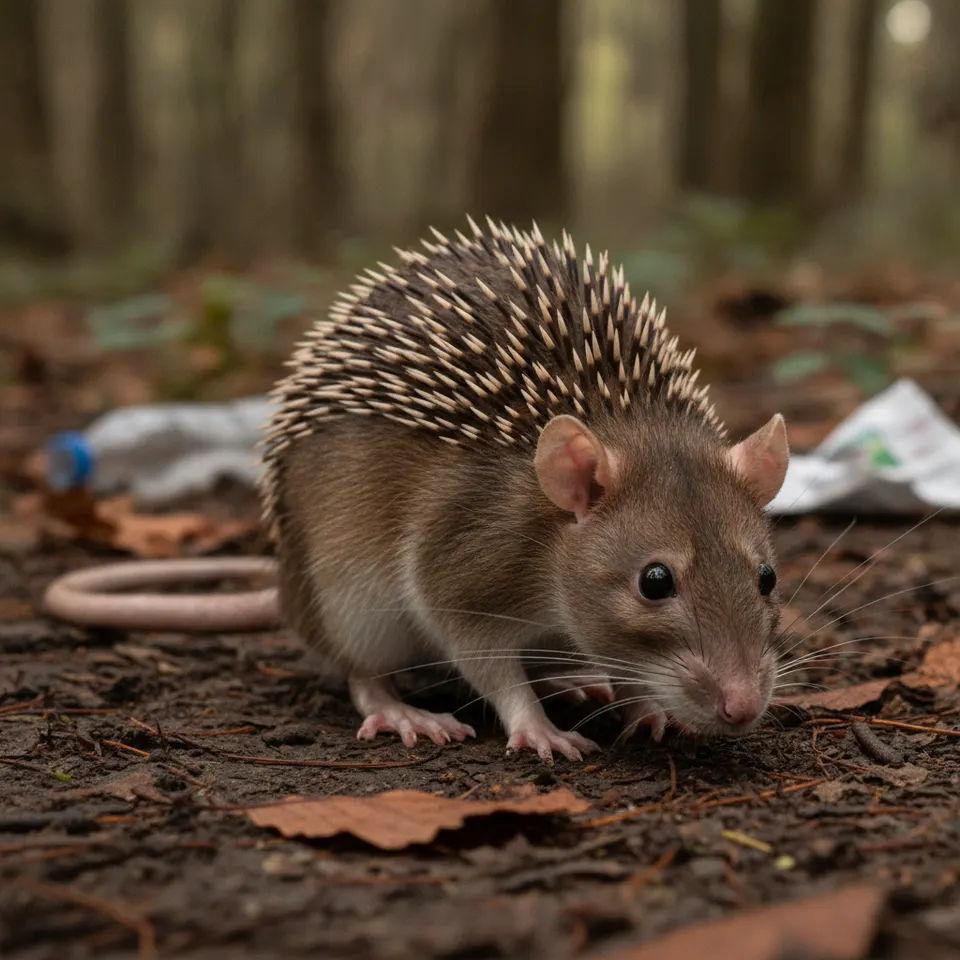
Rathog
Rattus echinodorsus
Stats
Behavior
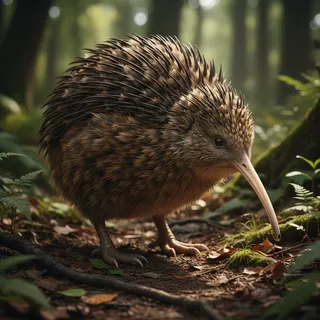
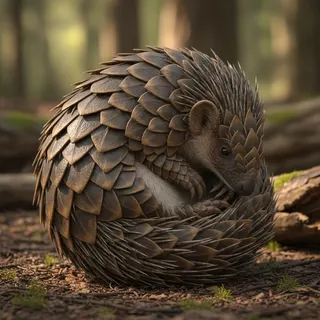
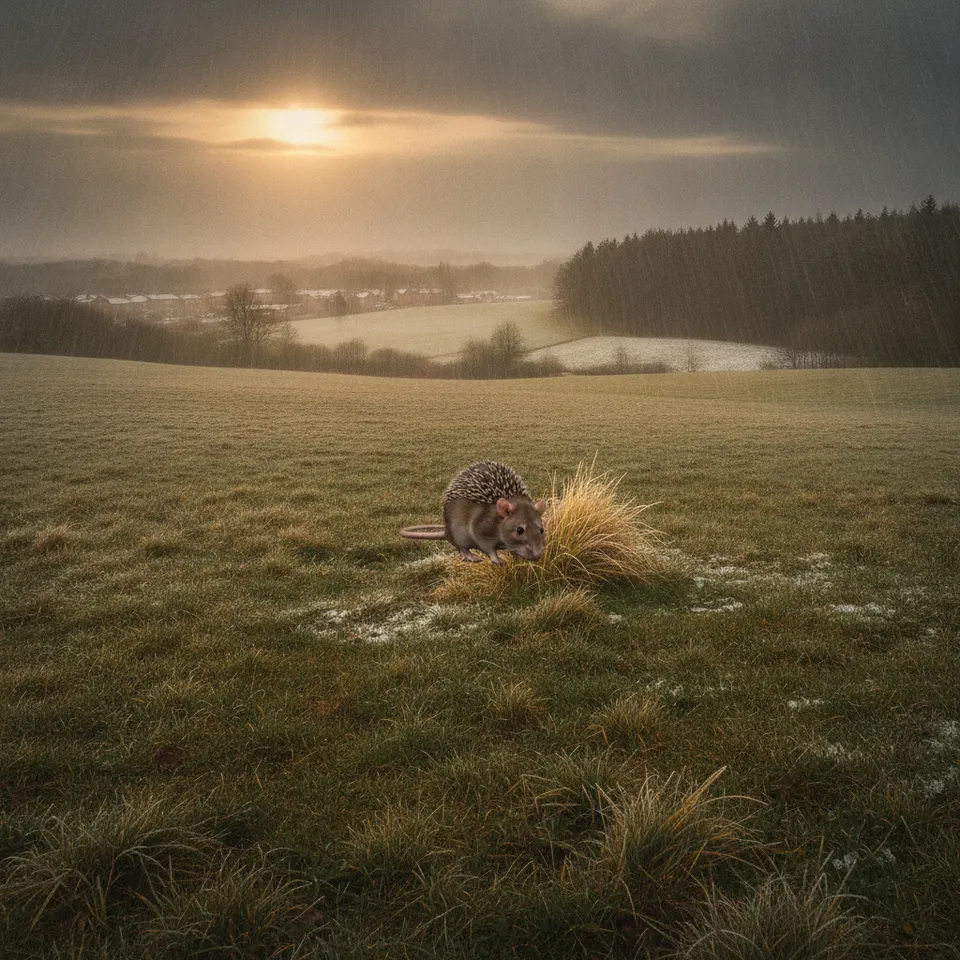
Rathogs are primarily nocturnal scavengers, exhibiting the cunning and adaptability of a rat combined with the defensive capabilities of a hedgehog. They move with surprising agility despite their spiny coats, using their long, flexible tails for balance as they navigate dense undergrowth or clamber over obstacles. When threatened, they can rapidly curl into a tight ball, presenting a formidable array of sharp quills, though they are also prone to darting into burrows or crevices if an escape route is available. Their keen sense of smell aids them in foraging for food in diverse environments.
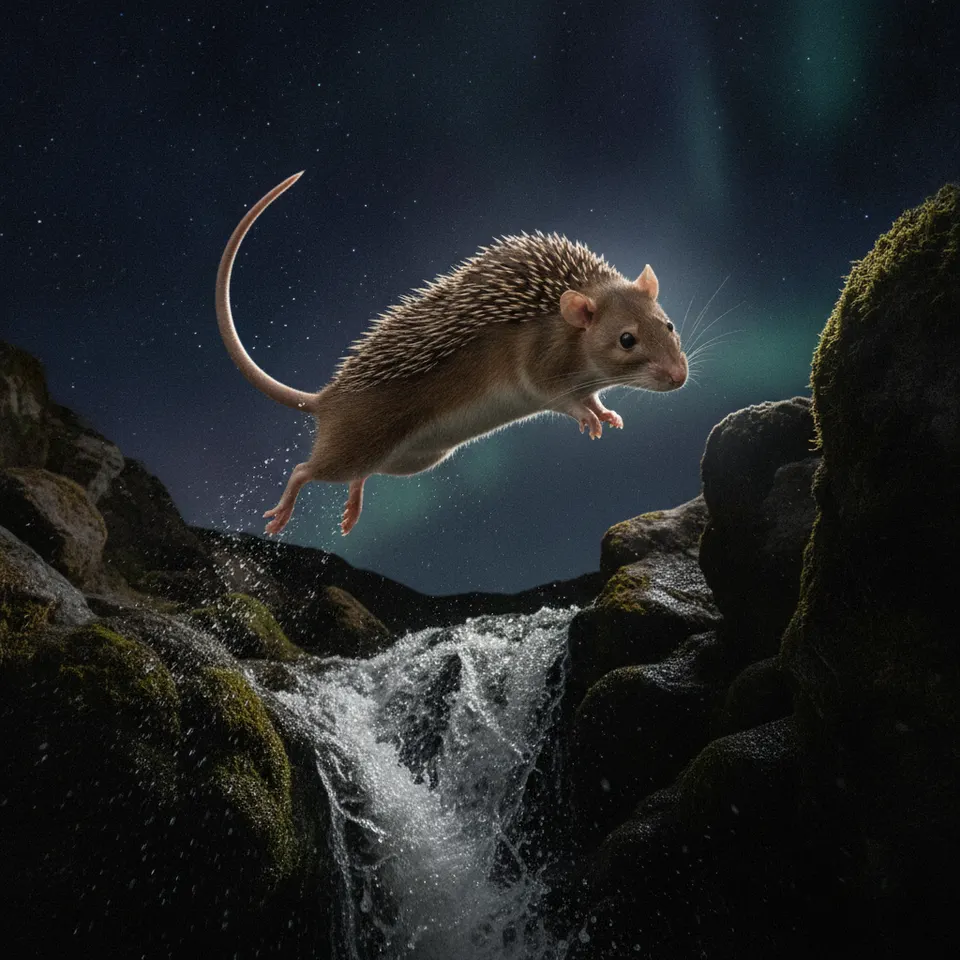
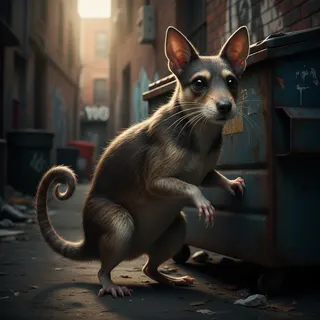
These creatures are largely solitary, marking small territories with scent and only coming together briefly for mating. They create intricate burrow systems in soft earth, often near human settlements or dense vegetation, lining their nests with scavenged soft materials. While naturally reclusive, Rathogs are highly opportunistic and have been known to venture into urban areas at night, rummaging through waste bins and gardens in search of food. They hibernate in colder climates, relying on stored fat reserves.
Fun Facts
- 🔬 Rathogs' quills are non-barbed but can be shed and regrown, sometimes used in traditional folk medicine for their perceived protective qualities.

- 🔬 Their tails are prehensile to a limited degree, occasionally used to steady themselves while reaching for high-up food items or maintaining balance on precarious surfaces.
- 🔬 Ancient urban legends describe them as "living pincushions," believed to bring either good luck or misfortune depending on how they are encountered, often associated with hidden treasures or forgotten secrets.