Narvatter
Monodolutra aquatilis
Stats

Behavior
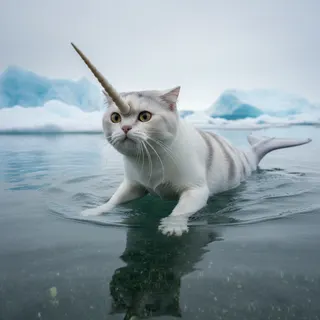
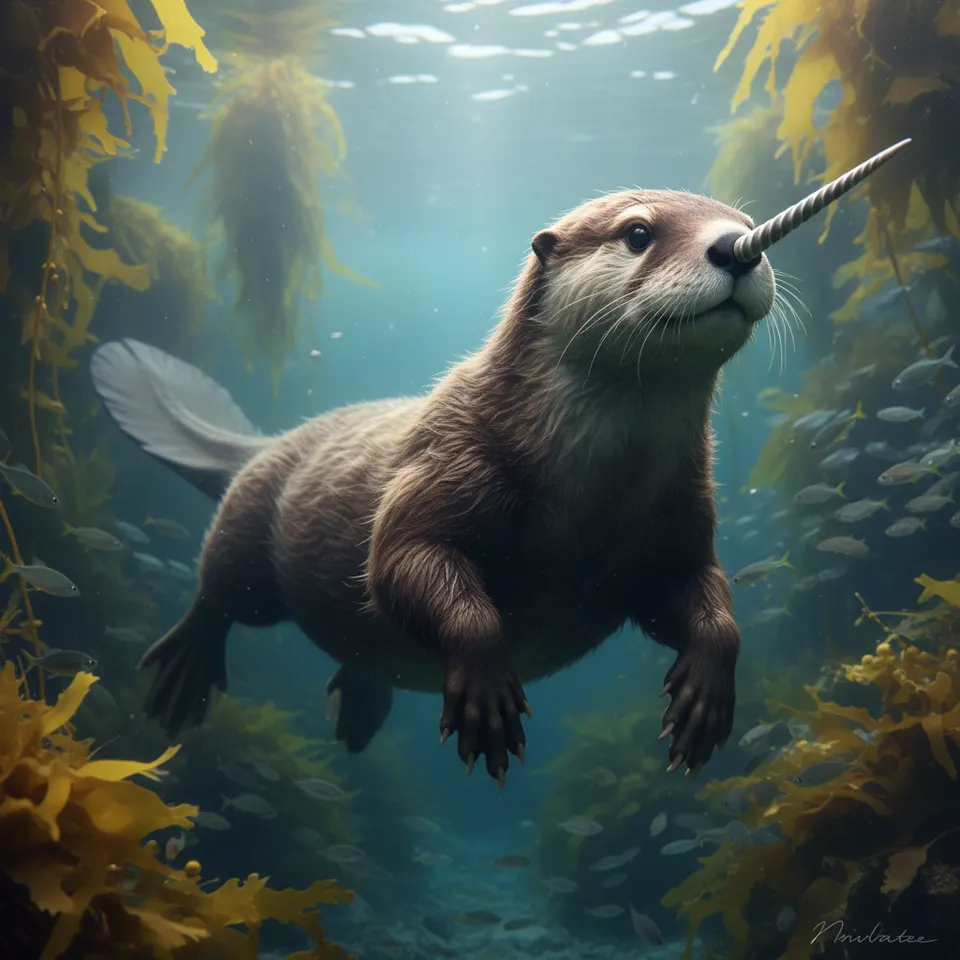
The Narvatter exhibits a fascinating blend of its ancestral traits. Like otters, they are highly intelligent, playful, and social, often seen frolicking in small family groups (called 'rafts') of up to a dozen individuals. They possess a keen sense of curiosity and are known to observe human boats from a distance, occasionally approaching out of sheer inquisitiveness. Their hunting style combines the swift underwater agility of an otter with the precision of a narwhal's echolocation, allowing them to effectively pursue schooling fish in murky waters.
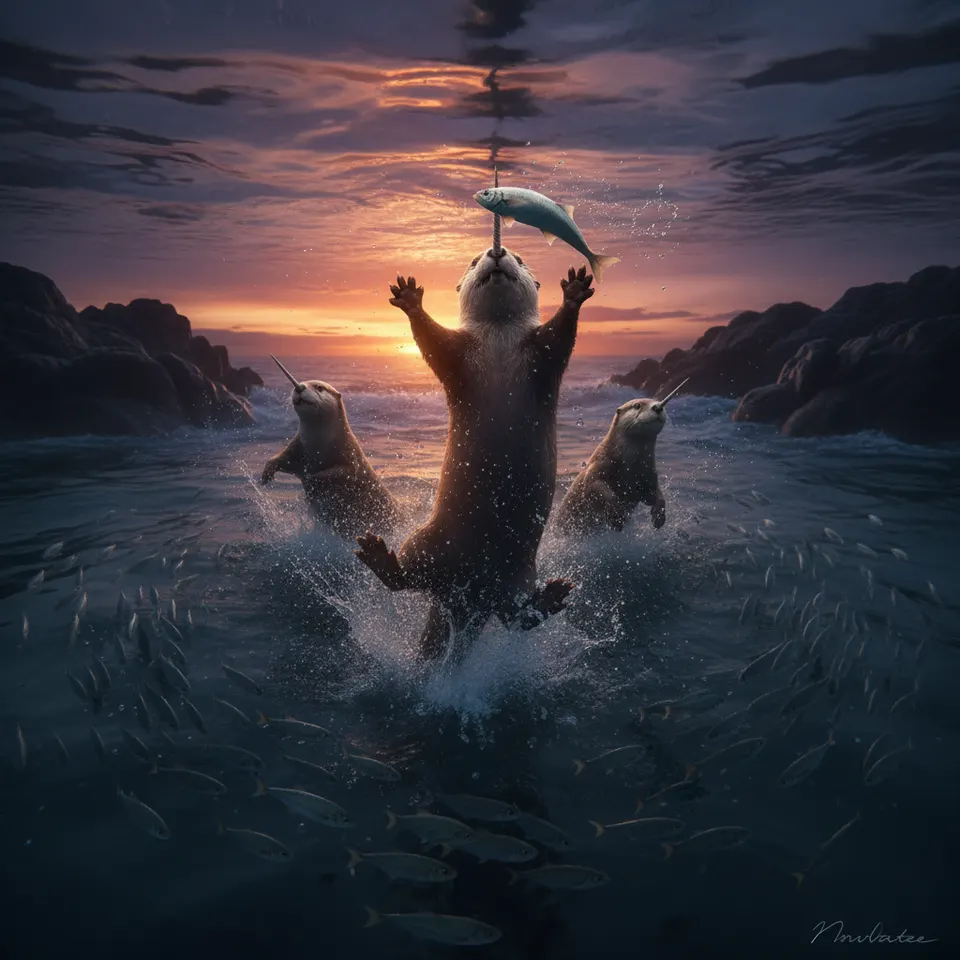
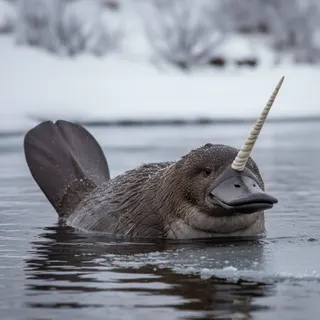
These creatures are semi-aquatic, spending significant time both in the frigid coastal waters and lounging on rocky shorelines or ice floes. Their dense, waterproof fur, reminiscent of an otter's, provides exceptional insulation against the cold. The distinctive helical tusk, smaller and more slender than a narwhal's, is primarily used for probing the seabed for benthic organisms, stirring up sediment to dislodge prey, and for playful sparring within their rafts, rather than for deep-sea navigation.
Fun Facts
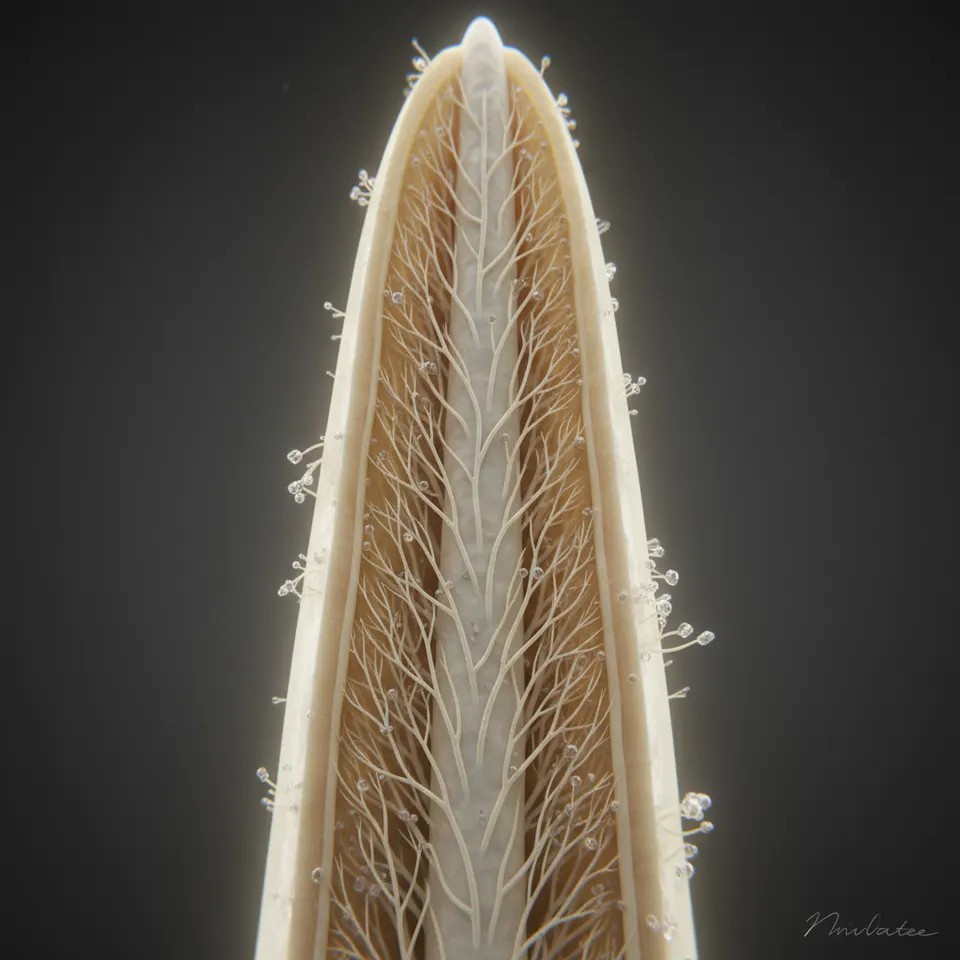
- 🔬 Their tusk is actually a highly sensitive elongated canine tooth, packed with nerve endings, allowing them to 'taste' the water for subtle chemical changes and detect prey.
- 🔬 Narvatters communicate through a complex repertoire of chirps, whistles, and trills, with individual calls being so unique they can identify family members from miles away.
- 🔬 They are known to 'decorate' their dens with smooth, colorful pebbles and discarded shells, a peculiar habit believed to be a form of social bonding or territorial marking.