Otterphin
Lutrodelphis marinae
Stats

Behavior
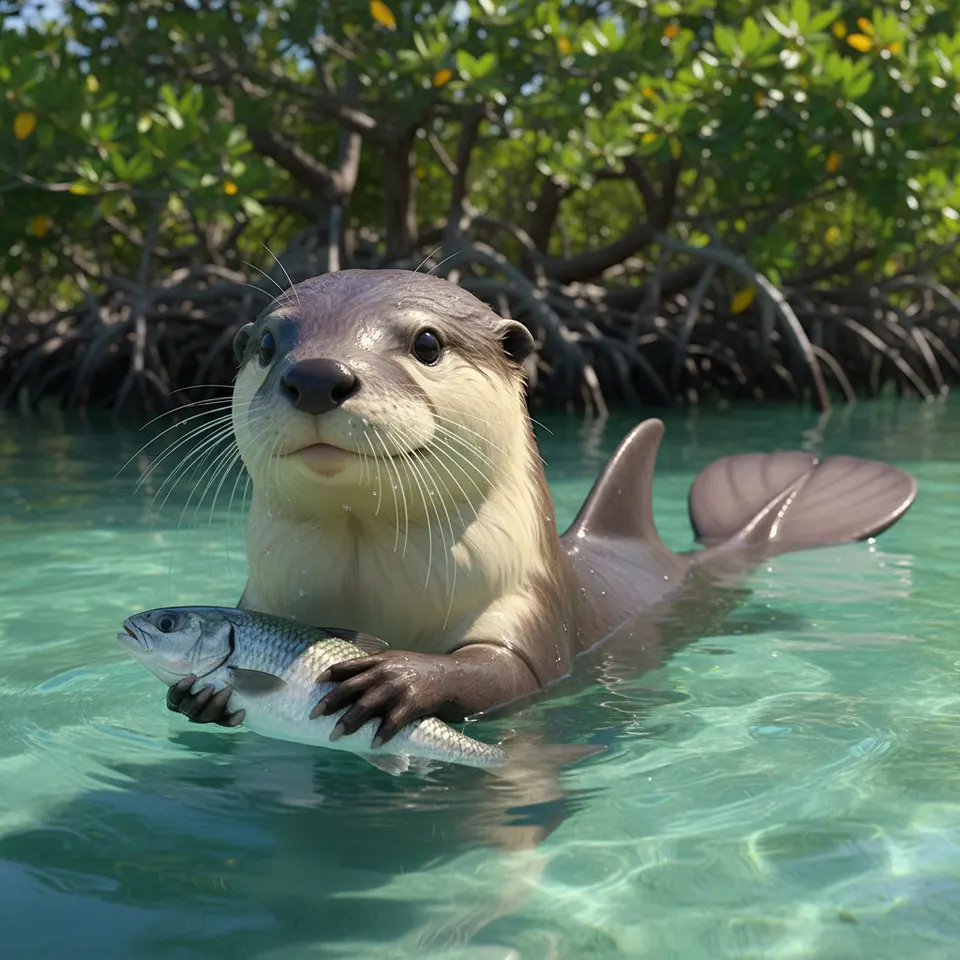
Otterphins are highly intelligent and remarkably adaptable creatures, exhibiting a unique blend of their parent species' social structures. While not forming massive pods like some dolphins, they live in close-knit family units of 3-7 individuals, often led by a matriarch. They are incredibly playful, frequently observed engaging in elaborate acrobatic displays at the water's surface, intricate games of tag among submerged roots, and even "surfing" on the wakes of boats. Their vocalizations are a complex mix of otter-like chirps and dolphin-esque clicks and whistles, used for communication, echolocation in murky waters, and expressing a wide range of emotions.

These creatures are adept at both deep-water hunting and foraging in shallow, tangled environments. Their powerful flukes propel them through open water with dolphin-like speed, while their webbed forepaws and flexible, muscular bodies allow them to expertly navigate narrow channels, climb onto low-hanging branches, and manipulate objects with surprising dexterity. They often employ cooperative hunting strategies, herding schools of fish into shallow inlets before snatching them with their powerful jaws or scooping them with their paws. Otterphins are known to construct temporary dens in hollow logs or bank burrows during colder months or for rearing young.
Fun Facts
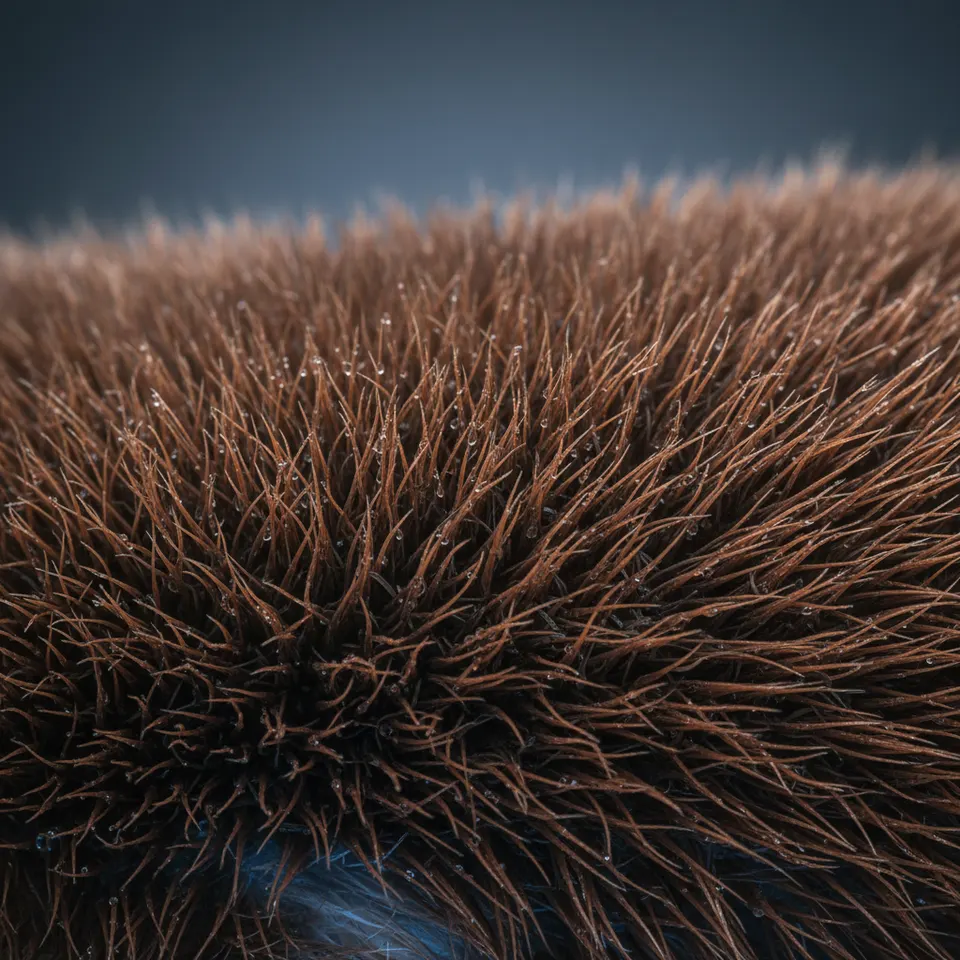
- 🔬 Otterphins possess a unique double layer of fur – a dense, waterproof undercoat for insulation in colder waters, and a sleek, short outer layer that minimizes drag while swimming.
- 🔬 They have specialized vibrissae (whiskers) that are highly sensitive, allowing them to detect subtle movements and vibrations in turbid waters, an invaluable tool for hunting in murky estuaries.
- 🔬 Unlike pure dolphins, Otterphins have a remarkable ability to walk on land for short distances using their strong, flipper-like forepaws and tail for balance, often venturing onto mudflats or riverbanks to sunbathe or escape predators.